Preparing Your Roof for the Transition from Summer Storms to Fall Leaves
Your roof works hard year-round, and the shift from summer storms to crisp fall days brings new challenges—heavy rain, strong winds, and piles of leaves that may look nice but cause problems if ignored. Now’s the perfect time to give your roof the attention it deserves and get it ready for the season ahead.
Why Your Roof Needs Attention Between Seasons
Most homeowners think about their roof only when there’s a visible issue—like a leak or missing shingles. But the truth is, small problems often start quietly, and seasonal changes can speed them up.
Here’s why this transition period is critical for your roof:
- Summer storms take a toll. Heavy rains, wind, and even hail can loosen shingles, cause leaks, or weaken flashing around chimneys and vents.
- Falling leaves trap moisture. When autumn hits, wet leaves can pile up in valleys and gutters, holding moisture against your roof. That trapped water can encourage mold, mildew, and even rot.
- Temperature swings create stress. The shift from hot summer days to cool fall nights expands and contracts roofing materials, which can expose weak spots.
- Winter is coming. By preparing your roof now, you’re setting yourself up for fewer headaches when snow and ice arrive.
Think of it as a mid-year checkup for your roof—catching small issues before they become major, expensive repairs.
Step 1: Inspect Your Roof After Summer Storms
Summer storms are unpredictable, and they often leave behind more damage than meets the eye. Before leaves start falling, take a little time to inspect your roof.
What to Look For:
- Missing or curled shingles: These are signs of wind damage and can expose the roof deck to water.
- Granules in your gutters: Asphalt shingles shed granules over time, but a large amount could mean storm damage or aging shingles.
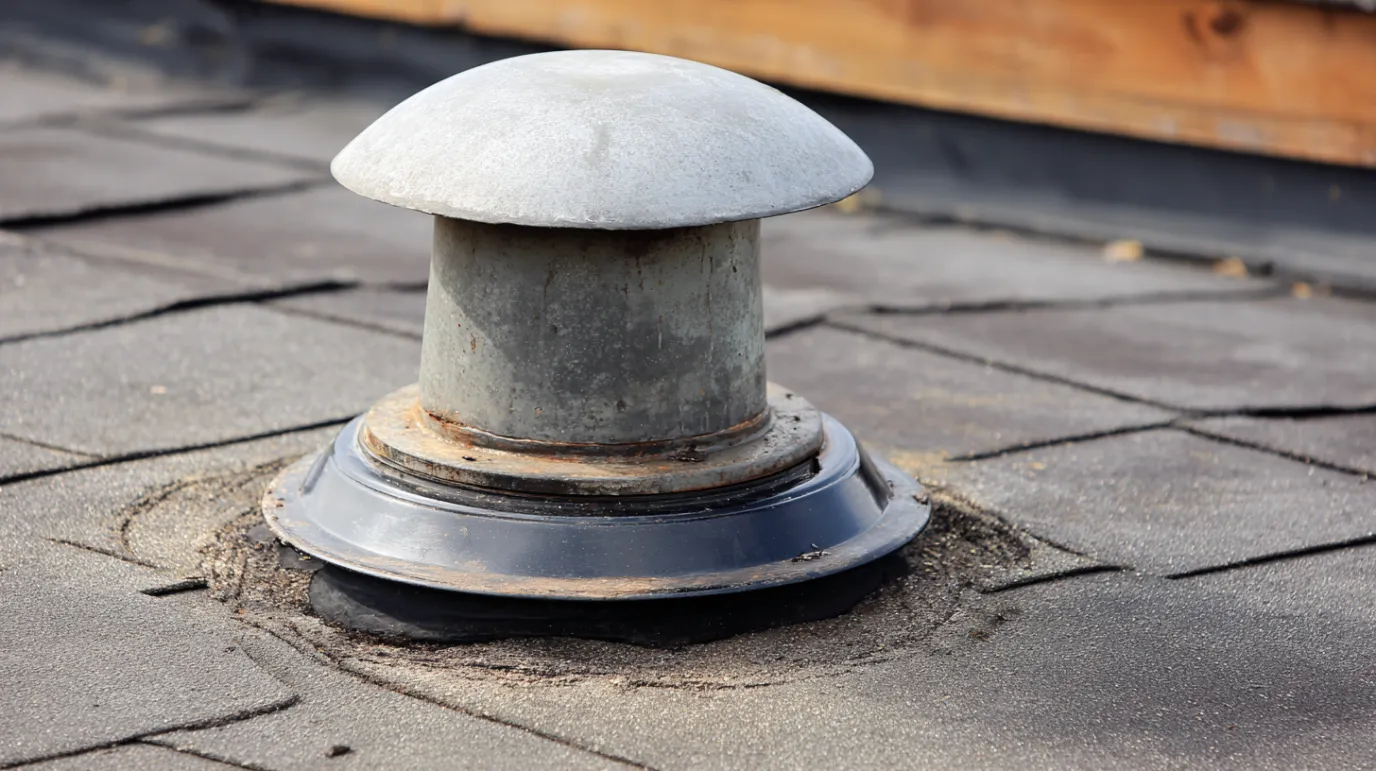
- Damaged flashing: Check around chimneys, skylights, and vents for bent or cracked metal.
- Sagging or uneven spots: These could signal water damage or structural issues beneath the surface.
How to Inspect Safely:
- Use binoculars from the ground if possible.
- Walk around your home to get multiple viewing angles.
- If you’re not comfortable climbing a ladder, hire a roofing professional. Safety should always come first.
Step 2: Clean Your Gutters and Downspouts
Your gutters are your roof’s best defense against water damage. They direct rainwater away from your home, preventing it from pooling on your roof or around your foundation. But clogged gutters filled with leaves or storm debris can quickly create big problems.
Why Clean Gutters Matter:
- Prevents roof leaks by allowing proper water flow.
- Stops water from overflowing and damaging siding, windows, and landscaping.
- Reduces the risk of ice dams forming when the temperatures drop.
Tips for Gutter Cleaning:
- Scoop out debris using a gutter scoop or your hands (with gloves).
- Flush gutters with a hose to ensure water flows freely.
- Check downspouts for clogs and clear them out.
- Install gutter guards if you live in a leafy area—they can save you a lot of time.
Step 3: Trim Back Overhanging Branches
Trees add beauty to your yard, but they can also be a hidden danger to your roof. Overhanging branches can scratch shingles, drop piles of leaves, and even break off during storms.
Benefits of Trimming Trees Near Your Roof:
- Reduces the amount of debris landing on your roof.
- Prevents branches from rubbing and damaging shingles.
- Protects your home from falling limbs during windstorms.
- Lets more sunlight reach your roof, helping it dry faster after rain.
If you have large trees near your house, consider scheduling a professional trim before fall.
Step 4: Seal and Repair Before the Weather Shifts
Once you’ve inspected and cleaned, it’s time to tackle any small repairs you noticed. Catching issues now will save you from bigger headaches down the road.
Key Areas to Check:
- Flashing: Seal any cracks or gaps around chimneys and vents.
- Caulking: Reapply around skylights or exposed nail heads.
- Shingles: Replace missing or cracked shingles.
- Gutter joints: Reseal where needed to prevent leaks.
If the damage is more than just a few patches, this may be the right time to call a professional roofer for a thorough checkup.
Step 5: Protect Your Roof Against Leaves
As beautiful as autumn leaves are, they’re not your roof’s best friend. Wet leaves can pile up in roof valleys and gutters, trapping moisture and leading to mold growth, wood rot, or ice damming once the cold sets in.
How to Keep Leaves in Check:
- Regularly rake or blow leaves. A leaf blower can be your best tool here.
- Clean gutters more than once. In heavy leaf areas, once isn’t enough.
- Install gutter guards. They prevent most leaves from entering your gutter system.
- Check roof valleys often. These are leaf magnets and need extra attention.
Step 6: Think About Energy Efficiency
As the weather shifts, your roof plays a huge role in how comfortable your home feels and how much you spend on energy.
- Attic insulation: Make sure you have enough to keep warm air inside when temperatures drop.
- Ventilation: Proper airflow keeps your roof dry and reduces the risk of mold.
- Roof color and material: If you’re already planning a replacement, consider materials that balance summer heat resistance with winter insulation.
Taking steps now can reduce your energy bills all year long.
Step 7: Schedule a Professional Roof Inspection
Even if you’re a hands-on homeowner, some issues are best left to the experts. A professional roofer can:
- Spot hidden leaks or damage you might miss.
- Provide photos of problem areas.
- Recommend cost-effective repairs before issues get worse.
- Give peace of mind heading into fall and winter.
Think of it as an investment in your home’s safety and value.
Preparing for Winter—One Season Ahead
It might feel early to think about winter, but by preparing your roof now, you’re also protecting yourself from the challenges of snow and ice later.
- Clean gutters now to prevent ice dams.
- Fix flashing so melted snow doesn’t seep inside.
- Strengthen weak shingles before heavy snow loads arrive.
Your future self will thank you when the snowflakes start falling.
Final Thoughts
Your roof does a lot more than just keep the rain out—it protects your entire home from the elements. By giving it some care and attention as we move from stormy summer days to leaf-filled fall, you’ll be setting yourself up for a worry-free season ahead.
Here’s a quick recap of what to do:
- Inspect for storm damage.
- Clean gutters and downspouts.
- Trim overhanging branches.
- Seal and repair weak spots.
- Stay on top of leaves.
- Check insulation and ventilation.
- Schedule a professional inspection.
With these steps, your roof will be ready for the shift in seasons—and you’ll have peace of mind knowing your home is well protected.
So, grab your gloves, climb that ladder (safely!), or call in the professionals. Your home will thank you, and your home will be stronger, safer, and ready for whatever the next season brings.