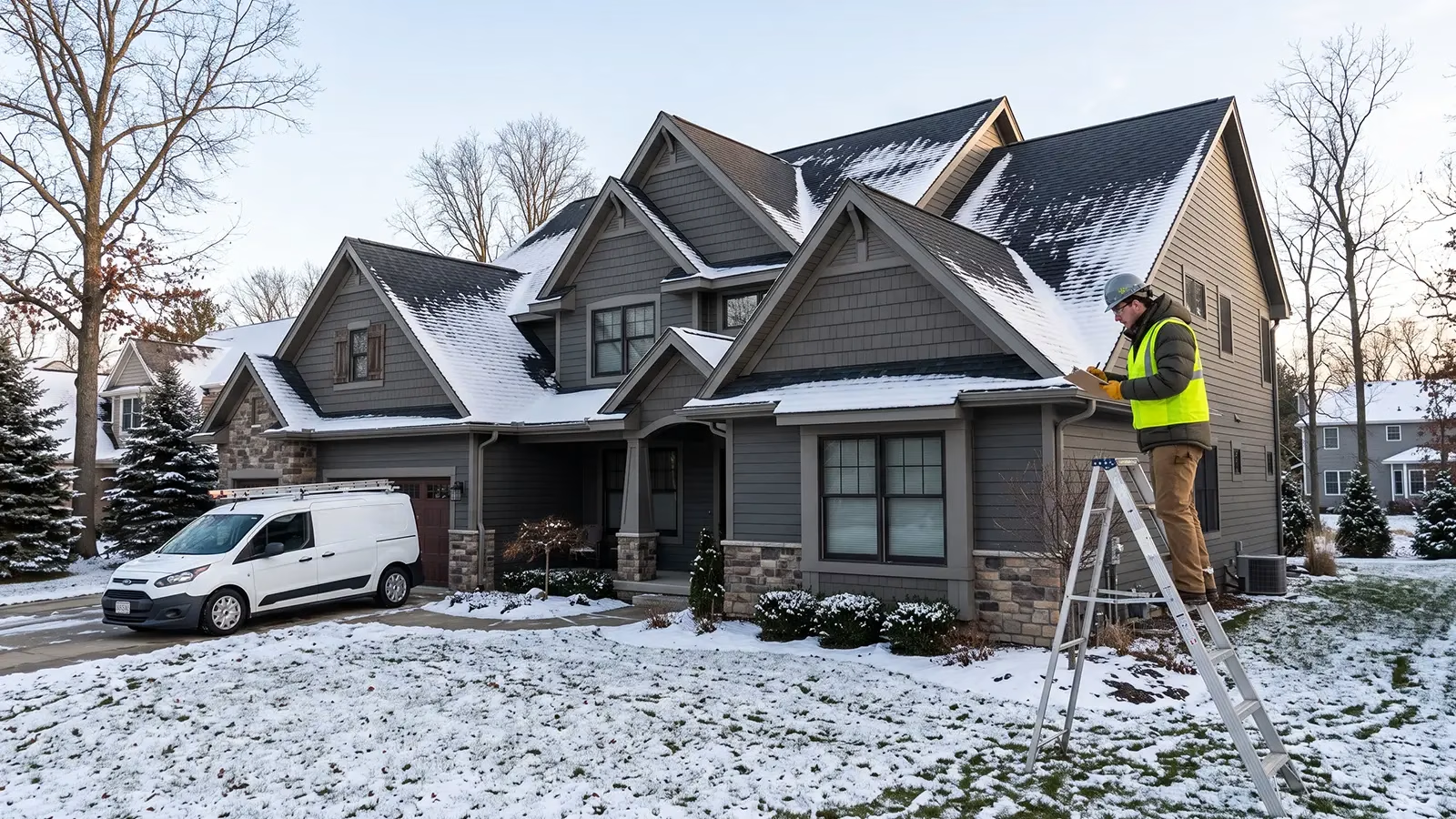

A vent-pipe boot seals the point where a pipe passes through the roof. A split collar, damaged base or incorrectly integrated flashing can let water reach the deck and attic. Repairing the right detail may prevent a small leak from spreading, but the pipe boot and surrounding roofing must be assessed together.
Pipe boot, pipe flashing and attic vent are different details
The terms pipe boot and vent-pipe flashing commonly describe the waterproofing assembly around a pipe penetration. A plumbing vent carries plumbing-system gases; its roof flashing does not ventilate the attic. Confusing these functions can lead to an inappropriate repair.
Signs to report
| Observation | What a contractor checks |
|---|---|
| Cracked or separated collar | Material condition and fit around the pipe |
| Leak near a penetration after rain | Collar, flashing base, fasteners, shingles and the actual water route |
| Repeated sealant repairs | Whether the assembly needs replacement rather than another surface patch |
| Soft or stained decking | Extent of concealed damage and any necessary deck repair |
Symptoms inside a home may be displaced from the entry point. Start with the roof leak detection guide if the cause is uncertain. Do not climb onto a wet roof to inspect the collar.
Why boots deteriorate
Age, sunlight, material movement and weather exposure can affect a collar or flashing assembly. Installation problems can also leave water paths around the base. In Portage, cold weather and seasonal changes are reasons to include penetrations in roof checks; they do not establish the remaining life of a particular boot.
Repair or replacement?
A suitable repair depends on the failed component, compatibility of materials and surrounding roof condition. A cracked collar may require an appropriate replacement solution; a damaged flange or incorrect integration with the roof may require more extensive work. Sealant is not a universal substitute for correct flashing. PNNL’s roof flashing guidance includes the role of boot or collar flashing at penetrations.
Ask the contractor to explain what will be removed, whether the deck needs inspection and how the new detail sheds water. If decking damage is found, the scope and any applicable permit requirements should be reviewed. No fixed repair price can be inferred from the visible crack alone.
Related checks on an existing roof
A boot repair should not overlook adjacent shingles or nearby wall transitions. Read our guide to roof flashing for those intersections. Include penetrations in a spring roof inspection after winter, and report a recurring leak even if a previous patch appears intact. A bathroom fan problem may involve ducting or condensation instead; it should not automatically be treated as a plumbing-vent boot leak.
Discuss your Portage roof
Property Revolution Roofing and Decks provides roof repair and replacement in Portage. Tell our team what you have noticed and ask which assessment is appropriate for your project. Free estimates apply to full-service work; repair assessment options and scheduling depend on the situation.
Frequently asked questions
Is a small crack urgent?
A crack deserves assessment before further rain or snowmelt reaches it. If there is an active leak, discuss temporary protection and current repair availability with a contractor.
Can I just add sealant?
The correct treatment depends on the assembly and failure. Covering a defect can conceal the cause and make later diagnosis harder. Ask for a permanent repair specification.
Does a failing boot mean I need a new roof?
Not necessarily. An isolated penetration problem may be repairable when the surrounding roof remains serviceable.