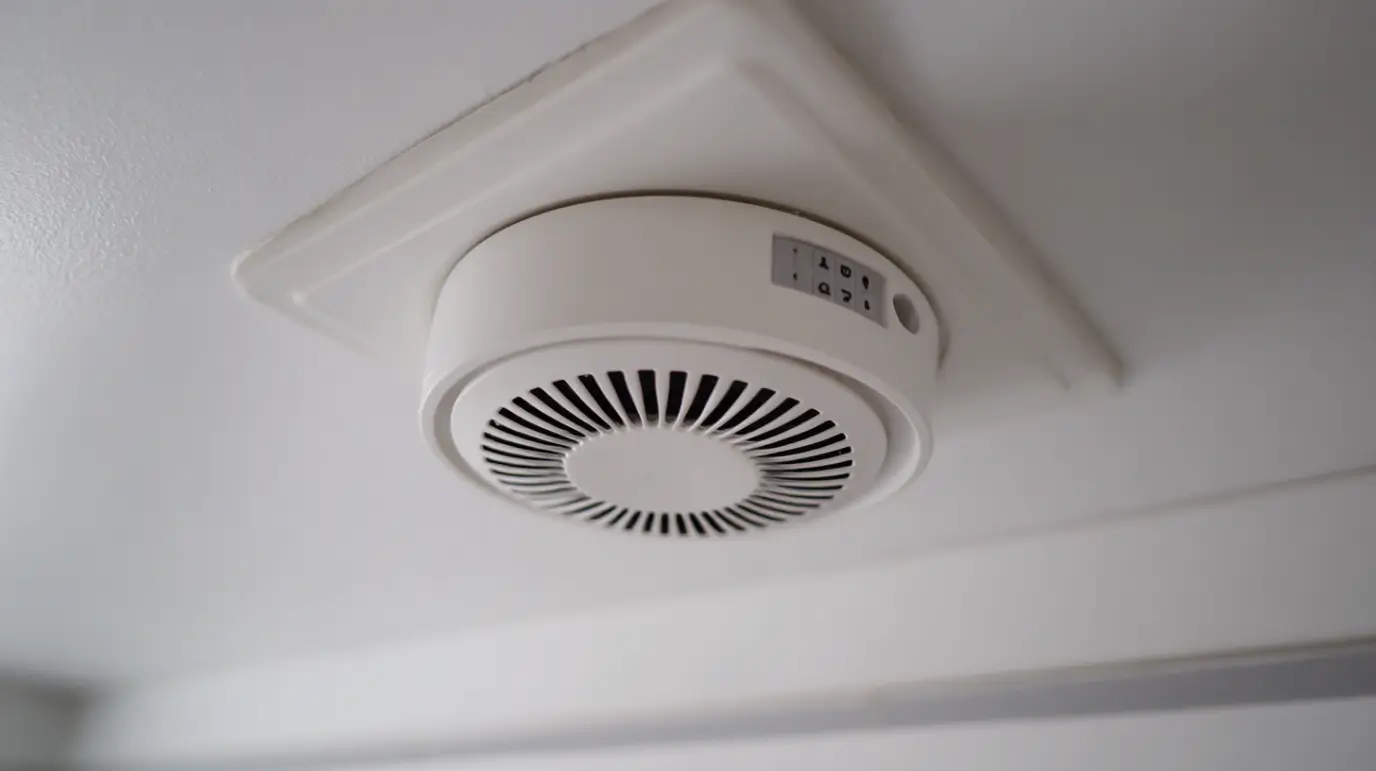
Noticing water stains on your ceiling? Before you assume it’s a roof leak, consider another common issue for Portage, MI, homeowners: roof condensation. This buildup of moisture in your attic can cause serious problems if ignored. The good news is that with proper ventilation and a few key steps, you can protect your home. At Property Revolution Roofing and Decks, we treat your home like our own, and we’re here to help you understand how to keep it dry and safe.
Understanding Roof Condensation in Portage, MI
Roof condensation occurs when warm, humid indoor air rises into a cold attic. As the air contacts cold surfaces like the underside of the roof deck, it cools and releases water droplets. This common process can cause serious moisture problems if unmanaged. Trapped moisture can damage your home’s structure and create other issues. Understanding its causes is key to prevention. Here are the main reasons and warning signs to watch for.
Contact Us
Why Roof Condensation Happens in Michigan Homes
Temperature fluctuations in Michigan often cause condensation issues in homes. Warm air rises and, when it hits colder surfaces like the roof deck, moisture forms as droplets—especially in winter when indoor humidity builds up and poor ventilation restricts airflow. Insufficient roof ventilation allows excess moisture to accumulate, leading to mold, water stains, peeling paint, and mildew—early signs of possible structural damage. Addressing these problems requires understanding their causes, such as inadequate attic insulation and lack of exhaust vents. Regular roof inspections help maintain your roofing system’s integrity, improve energy efficiency, and prevent costly repairs.
Common Signs of Moisture Problems in Your Attic
Moisture in your attic can cause serious damage if not addressed quickly. Common warning signs include water stains on the roof sheathing, indicating leaks or condensation; mold growth, signaling high humidity and poor ventilation; and peeling paint or warped wood from prolonged moisture exposure. Higher energy bills may also result from excess attic moisture affecting efficiency. Regular attic inspections help catch these issues early, preventing costly repairs and protecting your home from structural damage and poor air quality.
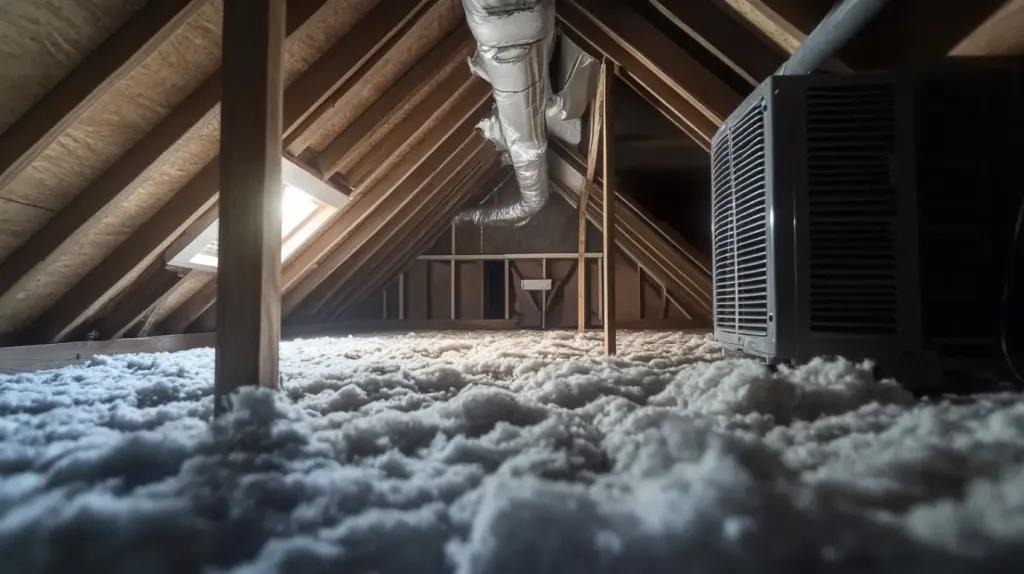
The Critical Role of Roof Ventilation
A proper roof ventilation system is your home’s best defense against condensation. Its job is to create a continuous flow of air through your attic space, moving warm, moist air out while pulling fresh, dry air in. Without this airflow, moisture gets trapped, leading to the problems we’ve discussed. Proper roof ventilation is essential for a healthy home. Think of it as allowing your attic to breathe. This simple process protects your roofing materials and the structural integrity of your house. Next, we will cover how this works and what methods are best for homes in Portage.
Best Roof Ventilation Methods for Portage Properties
Effective roof ventilation is essential for Portage properties to prevent moisture issues. Soffit vents at the eaves and ridge vents at the peak work together to ensure continuous airflow, expelling warm, humid air from the attic during colder months. Adding attic fans can further improve ventilation by actively removing excess moisture and reducing humidity, lowering the risk of condensation and costly repairs. Regular maintenance and inspections keep vents functioning properly, protecting your roof’s longevity and your home’s energy efficiency.

Sealing Air Leaks to Stop Attic Moisture
Even with good ventilation, attic moisture can still occur if warm indoor air leaks into the attic space. This is where air sealing comes into play—finding and closing gaps and cracks is just as crucial as ensuring proper ventilation because it effectively stops moisture at its source. By tightly sealing your home from the attic, you block a significant cause of condensation. We’ll guide you through finding these leaks and explain the numerous benefits of sealing them effectively.
Key Areas to Air Seal in Your Roof and Attic
Sealing air leaks in your roof and attic is essential for energy efficiency and preventing condensation. Focus on gaps around plumbing stacks, electrical wires, attic hatches, and ceiling fixtures—common sources of warm air loss and moisture issues. Seal insulation gaps and ensure a proper vapor barrier to improve ventilation. Careful air sealing extends your roof’s lifespan, prevents moisture on roof decking, and reduces the risk of structural damage. Regular maintenance in these areas keeps your home healthy during cold months.
Benefits of Air Sealing for Homeowners in Portage
Air sealing does more than stop condensation—it boosts energy efficiency by keeping heated air inside your attic. This reduces furnace use and lowers energy bills during Portage’s cold winters, making your home more comfortable year-round. It also protects against structural damage. Without air sealing, moisture can cause wood rot and mold, leading to expensive repairs. Sealing is the essential first step before adding attic insulation and helps preserve your home’s value. At Property Revolution Roofing and Decks, we’re committed to building dreams right. A well-sealed attic means a stronger, healthier home—and lasting peace of mind under your roof.

Bathroom Exhaust Fans and Moisture Control
Your bathroom exhaust fans are powerful tools for moisture control. A hot shower can release a lot of steam into the air, and if that humid air isn’t removed, it can lead to serious condensation problems. When used correctly, these fans pull moisture out of your home before it can cause trouble in the attic or roof space. However, an improperly installed fan can make the problem worse. It’s essential to ensure your fans are vented correctly and are in good working order. Let’s look at the right way to set them up for maximum effectiveness.
Bathroom Fan Insulation and Installation Tips
Properly insulating your bathroom fan is key to preventing attic condensation in cold climates. Install the fan where it can remove air efficiently, and connect it to a duct that vents outside—never into the attic. Seal all connections with a quality vapor barrier to stop moisture leaks. Insulate the ductwork to keep warm air from cooling and forming condensation. Regularly inspect the fan and insulation for best performance, lower energy costs, and longer-lasting roofing. Following these steps protects your home from moisture damage.
What’s Next
Preventing roof condensation is vital for a healthy home in Portage, MI. Proper ventilation, sealing air leaks, and using bathroom exhaust fans help reduce attic moisture. At Property Revolution Roofing and Decks, we treat your home like our own, ensuring your roof stays well-maintained. As a GAF Master Elite Contractor and BBB A+ business, you can trust us to protect your home and boost its curb appeal. Contact us for expert, personalized guidance.
Frequently Asked Questions
Can bathroom fans cause roof condensation if not vented right?
Yes, absolutely. If a bathroom exhaust fan is vented into the attic instead of outside, it dumps warm, moist air directly into the space. This improper installation is a leading cause of roof condensation problems, as it overloads the attic’s ventilation system.
Does attic insulation help reduce condensation?
Yes, attic insulation plays a supportive role. It helps maintain your home’s energy efficiency by keeping warm air in your living space. In colder climates, it’s often paired with a vapor barrier to stop moisture from passing through into the attic, further reducing roof condensation risk.
Read our blog: Portage, MI Choosing the Right Roofing Nails: Length, Corrosion Resistance, and Code Basics