A roofing nail must suit the shingle, the layers beneath it and the roof deck. There is no single nail length that is correct for every Portage home. Before installation, the contractor should identify the roofing product, inspect the deck and follow both the applicable requirements and the product’s installation instructions.
What determines nail length?
Length is selected to achieve the required penetration after passing through the roofing layers. GAF’s technical bulletin on shingle fasteners describes penetration of at least 3/4 inch into wood decks, or through plywood or OSB decks. The installation instructions for the actual product remain essential. Do not choose a length from a generic list without checking deck thickness and assembly.
Field shingles, starter courses and ridge caps can have different fastening details. A thicker ridge-cap assembly may need a different fastener length. A metal roof also has system-specific fasteners: a generic asphalt-shingle nail schedule should not be used to specify metal-panel attachment.
Material, head and shank
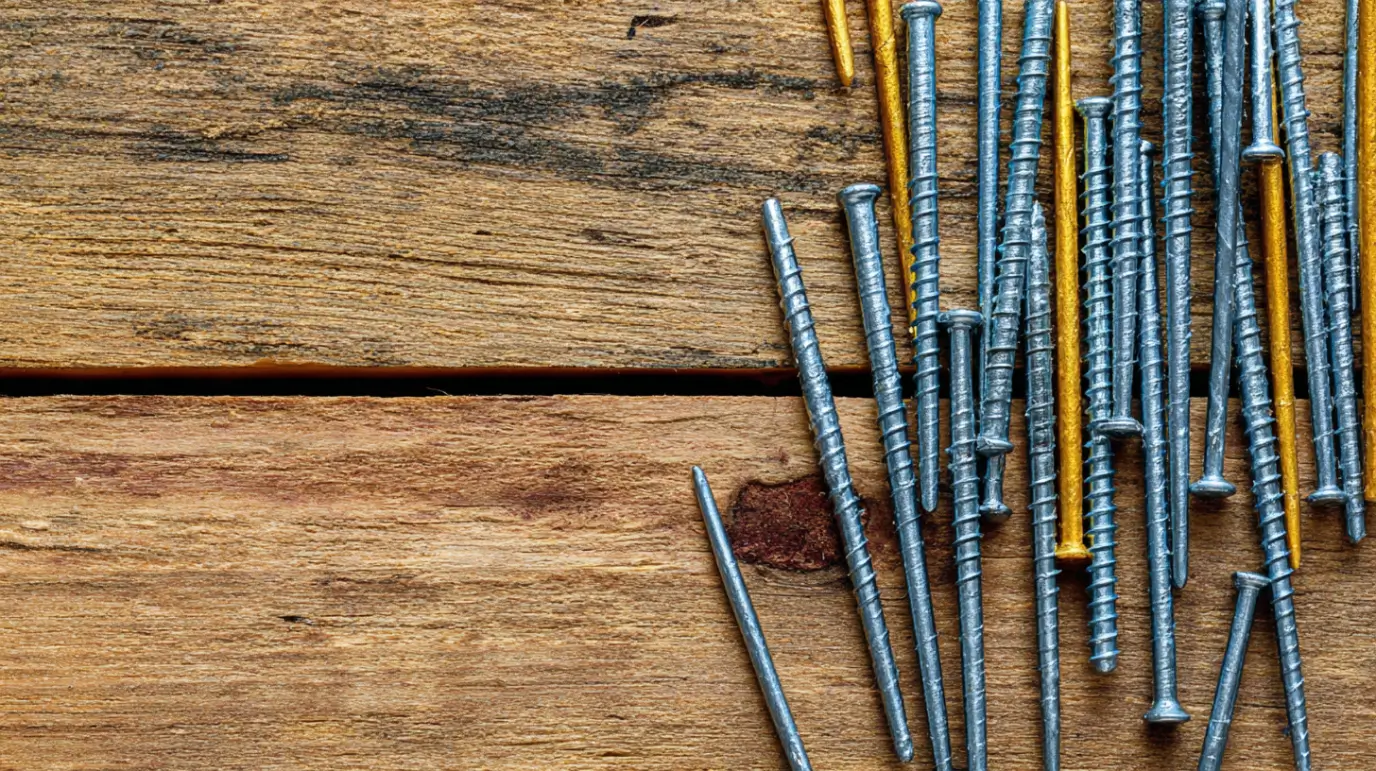
Check the manufacturer’s permitted fastener material, head diameter, gauge and shank. Corrosion resistance matters, but Portage’s inland location does not justify blanket advice that every roof needs copper or stainless steel fasteners. Compatibility with the roofing materials and the written specification is the basis for selection.
Ring-shank fasteners may provide greater withdrawal resistance in suitable applications. That does not replace correct placement, adequate penetration or sound decking. Plastic- or metal-cap fasteners used for certain underlayments must not be confused with the nails specified for securing shingles.
Placement and driving depth matter
| Detail | What the installer checks |
|---|---|
| Nailing zone | Position shown in the particular shingle’s instructions, including the required layers to be penetrated |
| Nail count | The product and installation conditions; avoid a universal four- or six-nail rule |
| Driving depth | A correctly seated head without cutting through the shingle or leaving a raised fastener |
| Deck condition | Sound material capable of holding the fastener; damaged decking is assessed before covering |
A nail gun is a tool, not a quality guarantee. Pressure and technique need adjustment to the material and conditions. Photographs taken during installation can document the nailing zone and deck preparation before they are concealed.
What should Portage homeowners ask?
Ask which installation instructions apply, how concealed decking damage will be handled and how changes to the agreed scope will be documented. Existing homes may have previous repairs or several different roof sections. Their age alone does not establish deck thickness or condition.
The City of Portage Building Division is the source for local permit questions. Our roof replacement planning guide explains the distinction between shingle-only work and work involving decking or structural components.
Connect the specification to the symptom
If shingles are already lifting, the cause needs investigation. An installation error, an unsound deck, storm damage and failure of the shingle’s seal are different possibilities. Read our guide to lifted shingles and fastener failures and the wind-resistant roofing guide.
Property Revolution Roofing and Decks can discuss the deck, fastening and material details included in your Portage roof replacement. Ask for the proposed system and any repair allowances in writing before work begins.
Frequently asked questions
Does a longer nail always make a roof stronger?
No. The fastener must have the correct specification and achieve the required penetration in a suitable deck. Extra length does not correct poor placement, an overdriven head or damaged wood.
Can I identify high nailing from the ground?
Usually not reliably. Visible lifting is a reason for an assessment, not permission to lift shingles yourself. A professional can inspect concealed details without treating a ground-level observation as a diagnosis.