Choosing the right roofing nail might seem like a small detail, but it’s a huge part of what makes your roof strong and long-lasting. For your home in Portage, MI, using the correct nails is essential for securing asphalt shingles and meeting local building codes. Property Revolution Roofing and Decks is here to help you with this process. This guide will walk you through everything you need to know about selecting the best roofing nail for your project, ensuring your roof can handle whatever Michigan weather brings.
Roofing Nail Basics for Portage, MI Homes
Getting the basics right is the first step to a durable roof. In Portage, MI, the type of roofing nail, its placement, and adherence to building codes are foundational to a successful roofing project, especially for larger projects. The right nail ensures your roofing material stays put, protecting your home for years. Understanding these fundamentals will help you make informed decisions. We’ll explore why these small fasteners play such a big role in your roof’s structural integrity and how local conditions influence your choices.
Contact Us
Understanding Roofing Nail
The length of a roofing nail is crucial for securing shingles. Nails must fully penetrate the roof deck to ensure a strong hold against wind, rain, and snow. Using the right nails prevents shingle lift, leaks, and damage—essential for your roof’s structural integrity and often required by building codes. Every nail contributes to your roof’s strength and durability, with the amount used often measured in square feet. At Property Revolution Roofing and Decks, as GAF Master Elite Contractors, we know these small details make a big difference in safeguarding your home.
How Local Climate Influences Roofing Nail Selection
Local climate is key to choosing the right roofing nail. In Portage, MI, where weather conditions vary widely, nails with high corrosion resistance—like stainless steel or copper—are essential for durability in heavy snow and rain. Following local building codes and manufacturer instructions is crucial, especially for proper nail placement and wind resistance. Aligning nail count and placement with international code ensures shingles stay secure and boosts roof performance and integrity.
Types of Roofing Nails
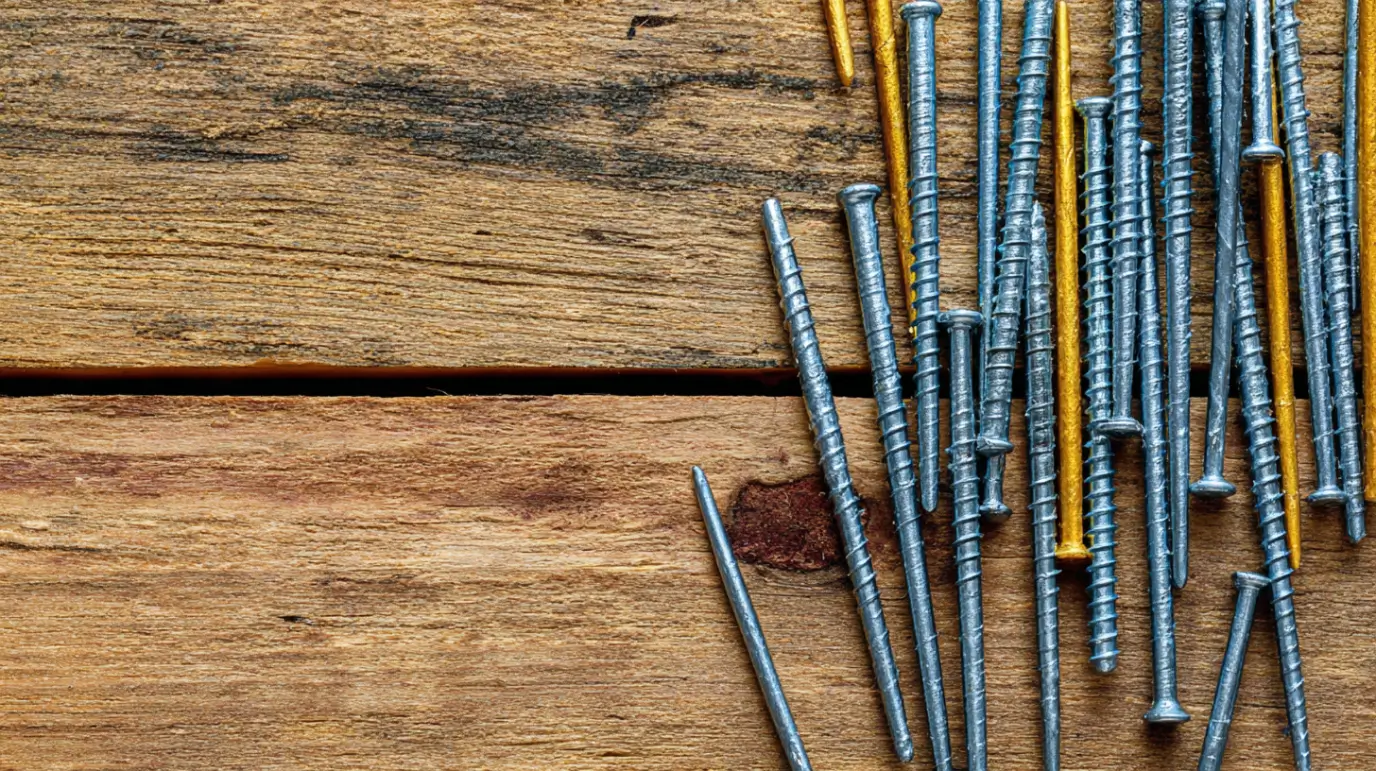
When you look at different types of roofing nails, you’ll notice variations in their shanks—the part of the nail that goes into the wood. The two most common types are smooth shank and ring shank nails, which feature circular ridges for added strength. The shank diameter and design are engineered for specific holding power and applications. Understanding these differences is key to choosing the best option for your roof. Smooth shank nails are a basic choice, while ring shank nails offer enhanced grip, which is often needed for the roof decking on Portage homes. Let’s look closer at these options.
Smooth Shank vs. Ring Shank Options
Smooth shank nails are basic and economical, with a smooth shaft that makes them easy to drive. However, they provide the least holding power. Ring shank nails have rings along the shank that grip wood fibers for a much stronger hold, making them more resistant to pull-out from wind or material movement. Both types usually have a standard 3/8-inch head and can incorporate a plastic cap to secure shingles without tearing. For better performance and security, especially in windy areas, ring shank nails are recommended.
Choosing the Right Shank for Asphalt Shingles
Choosing the right shank type for asphalt shingles is essential for roof performance and durability. Architectural shingles need nails with a strong hold; smooth shank nails are easy to install, while ring shank nails offer better wind resistance due to their superior grip. In windy areas like Portage, MI, ring shank nails are especially beneficial. Following manufacturer instructions and local codes ensures compliance and structural integrity. Selecting the proper nail type and size meets warranty requirements and supports the long-term success of your roofing project that ensures durability.
Roofing Nail Materials and Durability
The material a roofing nail is made from is just as important as its shape and roofing nail size. Common options include steel nails, galvanized nails, and aluminum nails. Each material offers different levels of strength, durability, and corrosion resistance, which are critical for the long-term health of your roof. Choosing the right material ensures your fasteners won’t rust away and fail prematurely. As a company that treats your home like our own, we want to help you understand how these materials perform so you can make the best choice for your roof.
Corrosion Resistance for Michigan Weather
For Michigan homes, choosing roofing nails with strong corrosion resistance, such as copper roofing nails, is essential due to harsh weather. Stainless steel and copper nails are recommended for their durability and moisture resistance, which prevent rust and extend roof life. Always follow manufacturer installation instructions to meet local building codes. Proper nail placement is critical, especially in coastal or windy areas, as it ensures shingles stay secure and protects against leaks and damage. Investing in high-quality nails suited for your climate results in a longer-lasting, more reliable roof.
Comparing Steel, Galvanized, and Aluminum Nails
A variety of roofing nails can greatly impact your roof’s durability and performance. Steel nails are strong and commonly used in homes, but their poor corrosion resistance can cause early failure if not properly coated. In harsh climates, galvanized nails are ideal—they resist rust and last longer, meeting most building codes. Aluminum nails are lightweight and corrosion-resistant, making them suitable for coastal areas with salt exposure. Although they don’t hold as well as steel, correct installation can compensate. Choosing the right nail type boosts both roof longevity and structural integrity.
Roofing Nail Length: Why Size Matters
The length of your roofing nail is critical for a secure roof. A nail that is too short won’t properly anchor the shingle to the roofing deck, leaving your roof vulnerable to wind and weather. The nail must fully penetrate the roof decking to provide the necessary holding power. Using the correct nail length, or the appropriate number of nails, ensures every shingle is locked in place. In some cases, longer nails are required, like when installing thicker shingles or roofing over an existing layer. Let’s explore how to determine the right nail length for your project.
Recommended Nail Lengths for Popular Roofing Materials
Choosing the right nail length is crucial for roofing durability and performance. For different nails used with asphalt shingles, use 1.75 to 2-inch nails for secure decking penetration. Architectural shingles may need longer, 2.5-inch nails due to their thickness. Metal roofing typically requires 1.5-inch nails, while copper nails range from 1.75 to 2 inches, based on manufacturer guidelines. Using recommended nail lengths ensures compliance with building codes and strengthens the roof’s structure. Proper nail placement also helps prevent leaks and loose shingles.
Portage, MI Roofing Codes and Regulations
In Portage, MI, all roofing work, including installation of a new roof, must comply with local building codes. These regulations are based on standards like the International Building Code and are in place to ensure your roof is safe, durable, and weather-resistant. Understanding these code basics is essential for any roofing project. Following local codes isn’t just about passing an inspection; it’s about protecting your home and your investment. As your trusted local contractor and a member of the Plainwell, Otsego, and Wayland Chambers of Commerce, we are well-versed in these requirements.
Code Basics for Roofing Nail Selection and Placement
Understanding local building codes is crucial when choosing roofing nails in Portage, MI. The international code specifies nail head size, nail length, type, and placement to ensure structural integrity and compliance with manufacturer instructions. Using the correct nail—smooth shank, ring shank, or screw shank—improves roof performance and wind resistance. Local codes may have additional requirements for Portage’s climate, especially harsh weather. Following these guidelines maximizes corrosion resistance with options like stainless steel or aluminum nails, protecting your roofing investment long-term.
Common Local Requirements for Roof Nail Applications
Local roofing codes in Portage, MI generally follow state and international standards. Typically, hot-dipped galvanized or stainless steel nails are required for corrosion resistance. Most shingles need four nails each, but six may be required in high-wind areas, as they have specific requirements for installation. These rules ensure your roof withstands Michigan’s weather. At Property Revolution Roofing and Decks, we follow all local codes for a safe, durable roof.
Mistakes to Avoid When Installing Roofing Nails
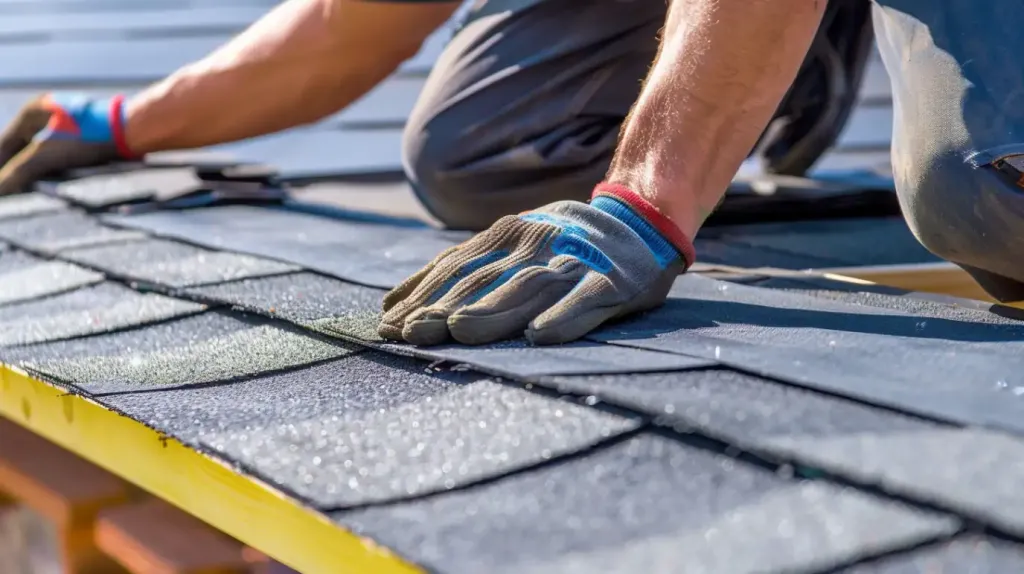
Even with the right nails, improper installation can lead to serious problems. Mistakes in nail placement or driving depth can compromise the integrity of your roofing shingles and lead to leaks or blow-offs. Following the shingle manufacturer’s installation instructions is key to getting it right. Proper nailing is a skill that combines technique with attention to detail. Using nails that are too short or long, or driving them at an angle, can affect the entire shingle installation and are common errors. Let’s look at how to avoid these pitfalls and ensure a perfect installation.
Preventing Leaks and Loose Shingles with Proper Technique
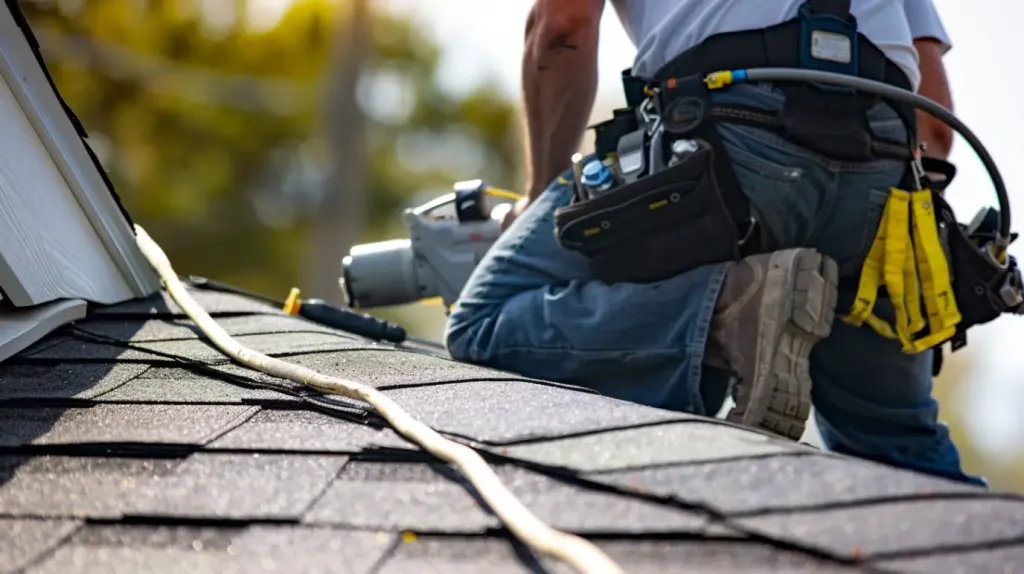
Choosing the right nailing technique, whether using hand nailing or nail guns, is essential to prevent leaks and ensure shingle stability. Proper installation meets building codes and strengthens the roof’s structure. Using the correct roofing nail—smooth or ring shank—improves grip and wind resistance, especially in harsh weather. Precise nail placement is key; nails must fully penetrate the roof deck to secure shingles. Following manufacturer instructions maximizes warranty coverage and long-term roof performance. Pneumatic nailers help ensure accuracy and use of the correct nail type for each roofing layer.
Why Choose Us
Choosing the right roofing nails, including square cap nails, is essential for a durable, long-lasting roof in Portage, MI. Local climate affects roofing materials, making nail type, length, and corrosion resistance important factors. As a GAF Master Elite Contractor and EPA-certified renovator, Property Revolution Roofing and Decks delivers quality solutions tailored to your needs. Our expertise ensures your project meets local codes and matches your vision. Informed nail choices, such as square cap nails, improve both your roof’s performance and appearance.
Frequently Asked Questions
Which roofing nail type offers the best resistance to rust?
Stainless steel nails offer exceptional corrosion resistance, making them the best choice for preventing rust, especially in environments exposed to salt spray. Hot-dipped galvanized steel nails are also a very effective and common option that provides excellent protection against rust in most climates, including Michigan’s.
Does Michigan weather impact recommended nail size?
Yes, Michigan’s weather, particularly its potential for high winds, can impact roofing nail choices. While the correct size of nail length is determined by material thickness, local codes may require more nails per shingle or specific types like ring shank nails for better wind resistance.
Read our blog: Roof Replacement Materials Comparison for Portage, MI, homes: Architectural Shingles vs Metal