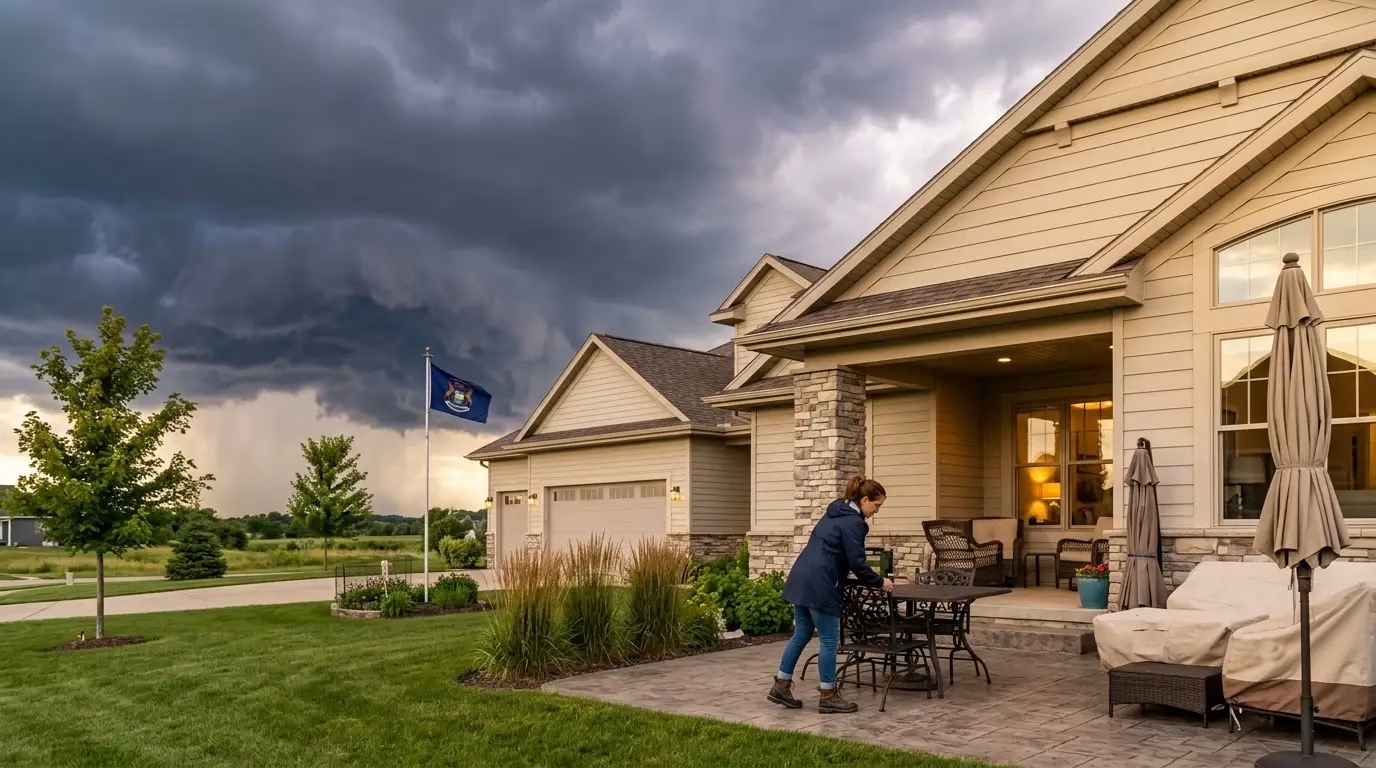
Living in South Haven, MI means enjoying beautiful lake life, but it also brings strong winds and rain. This combination can lead to wind-driven rain, which pushes water into your home’s most vulnerable spots. This can cause hidden water damage, mold growth, and other serious issues. At Property Revolution Roofing and Decks, we help you understand these risks and protect your home with expert roofing solutions.
Understanding Wind-Driven Rain in South Haven, MI
Wind-driven rain differs from regular rainfall because strong winds push rain horizontally, letting moisture slip under roof shingles and siding. This water can enter small cracks, leading to unexpected leaks—especially in South Haven, Michigan, where Lake Michigan’s weather makes homes more vulnerable. Strong winds can turn minor roof issues into major problems by exposing your home’s structure to moisture. Understanding our local weather is key to protecting your home. Next, we’ll look at how South Haven’s climate increases these risks and what you can do to prevent damage.

Local Weather Patterns and Their Impact on Homes
South Haven, MI’s unique coastal climate brings frequent severe weather, including heavy rain and strong winds that threaten home structures. The National Weather Service often issues storm alerts, and without proper precautions, homeowners may face costly repairs. Temperature swings can expose weaknesses in roofs and siding. Regular roof inspections and maintenance help prevent moisture and wind damage. Neglecting problem areas can lead to mold, leaks, and extensive structural issues. Timely repairs provide better protection and peace of mind against harsh weather.

The Specific Effects of Wind-Driven Rain
Wind-driven rain can damage roof shingles and siding, causing serious storm damage. Strong winds may lift shingles or force water behind siding panels, leading to hidden leaks. If left unaddressed, this moisture can cause rot, mold, and expensive repairs beyond the exterior. Wind-driven rain roof leaks are common, occurring when rain enters through weaknesses that normal rainfall wouldn’t exploit. Here are the most common types of damage and signs your home may need attention after a storm.
Common Types of Roof and Siding Damage
Wind-driven rain can cause significant roof and siding damage, such as missing shingles, cracked tiles, and weakened seams. Pooling water may lead to mold growth, while trapped moisture in siding can cause rot and mildew, resulting in costly repairs. After storms, check vulnerable areas like roof valleys, chimneys, and eaves for leaks or deteriorating caulk. Regular inspections and maintenance help prevent further issues and extend the life of your roof. Investing in quality repairs ensures better protection against future severe weather.
Signs to Watch for After Storms
Post-storm inspections help homeowners spot property vulnerabilities. Look for visible water leaks, missing shingles, warped siding, and signs of mold or mildew, which may signal moisture intrusion and compromised structure. Check storm shutters and ventilation systems for malfunctions. Inspect gutters and downspouts for blockages or damage to prevent further issues. Regular roof inspections after severe weather allow prompt repairs, saving money and maintaining your home’s safety and durability.
Vulnerable Areas of South Haven Homes During Storms
Every home has weak spots that are more susceptible to wind-driven rain. These vulnerable areas are typically where different parts of your home meet, like where a wall meets the roof or around openings. Without proper protection, these intersections can become entry points for water, especially during a storm with high winds that test your roof shingles. Areas like roof valleys, chimneys, skylights, and even an improperly sealed deck connection can channel water directly into your home. Understanding where these weak spots are is crucial for preventing leaks. We will now cover these areas in more detail.
Roof Valleys, Chimneys, and Skylights
Roof valleys channel large amounts of water but are common leak spots if flashing isn’t installed properly. Chimneys and skylights also create roof openings that must be well-sealed, as their seams are vulnerable to wind-driven rain. Over time, caulk and seals can crack or pull away, allowing water into your attic and home. Proper flashing—a thin, waterproof barrier—directs water away from these joints and acts as a last defense against leaks. Regularly inspect these areas to protect your home.
Windows, Doors, and Deck Connections
Wind-driven rain affects not just your roof, but also windows, doors, and deck connections. If window and door frames aren’t properly sealed, rain can be forced into the seams—especially if caulk is old or flashing was poorly installed. Flashing around windows and doors directs rainwater over, rather than behind, siding. This prevents rot in the surrounding wall structure. Deck connections are also vulnerable to water intrusion along their long seams. Proper flashing is essential to keep these areas watertight and protected long-term.
Trust the Experts
Understanding wind-driven rain in South Haven, MI is crucial for home protection. The coastal climate heightens risks, making proper flashing essential to prevent leaks and damage. Identifying vulnerable areas—roof valleys, chimneys, and windows—helps homeowners take proactive steps. As a GAF Master Elite Contractor with EPA lead-safe certification and a BBB A+ rating, we at Property Revolution Roofing and Decks are dedicated to safeguarding your property. If you suspect damage or need expert advice, contact us for a consultation. We treat your home as our own, ensuring quality and enhancing curb appeal.
Frequently Asked Questions
How often should I inspect my home’s flashing after storms?
We recommend a roof inspection for your flashing at least once a year and after any major storm. Regular inspections are a key part of regular maintenance and help you catch potential issues before they become serious structural concerns.
Can a wind-driven rain roof leak?
Yes, wind-driven rain is a common cause of roof leaks. It can force water under shingles and into small gaps, leading to hidden moisture, mold growth, and further damage. Addressing these leaks quickly helps avoid costly repairs down the road.
Read our blog: South Haven, MI Roof Repair for High Humidity: Protecting Sheathing and Preventing Rot