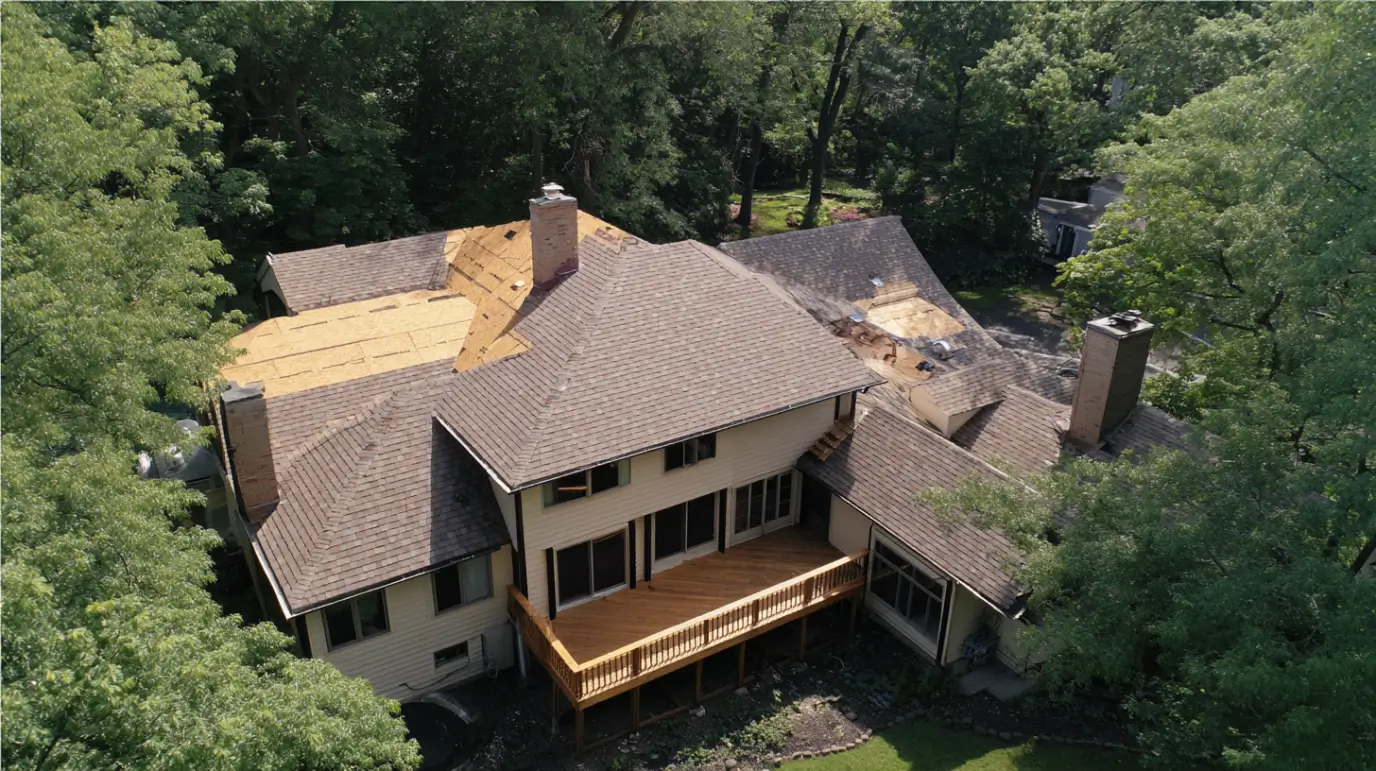
If you own a home in Kentwood, MI, built between the 1970s and 1990s, you know its unique charm. However, these homes often come with specific roofing challenges. Understanding these common issues is the first step toward protecting your investment. At Property Revolution Roofing and Decks, we believe that addressing problems with roofing materials and ventilation early can preserve your home’s structural integrity and enhance its property value for years to come. Let’s explore these challenges together.
Roofing Challenges Specific to 1970s–1990s Homes in Kentwood, MI
Homes from this era in Kentwood often share roof issues due to their age and outdated construction. Older homes may have substandard decking and inefficient ventilation, leading to hidden structural problems that worsen over time—sometimes requiring a full roof replacement. As a local roofing contractor, we frequently encounter these decking and ventilation issues. Knowing the signs can help you protect your home. We’ll cover common roofing materials, typical decking problems, and outdated ventilation methods that could be impacting your home today.
Contact Us
Typical Decking Styles and Problems Encountered
From the 1970s to 1990s, Kentwood homes frequently relied on plywood or oriented strand board (OSB) for roof decking due to their affordability and availability. However, these materials are significantly prone to rot and warping, particularly in Michigan’s unpredictable weather conditions, which can lead to serious problems. Poor ventilation can exacerbate these issues and ultimately result in costly structural damage. Regular roof inspections are essential to catch problems early, such as sagging or soft spots, thereby preventing expensive repairs or full replacements in the future.
Ventilation Approaches in Historic Michigan Builds
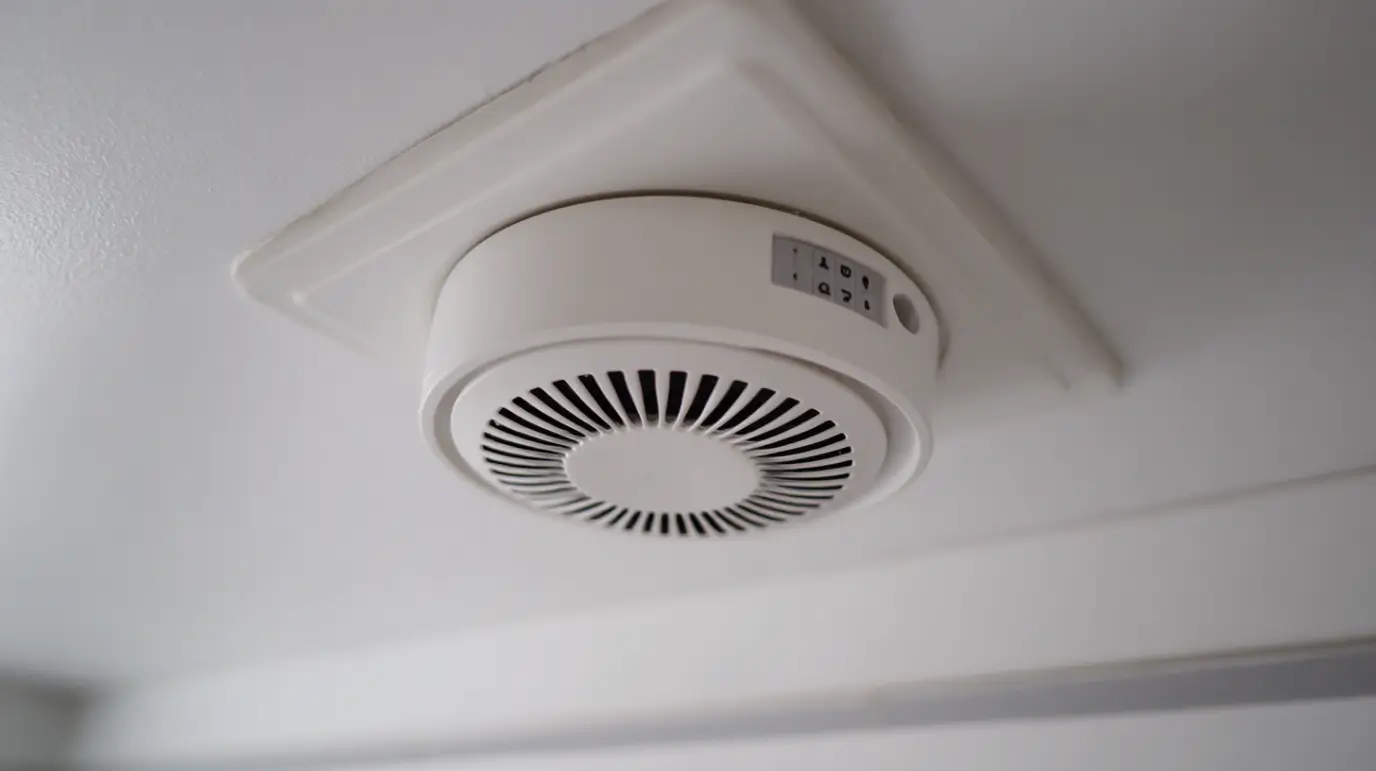
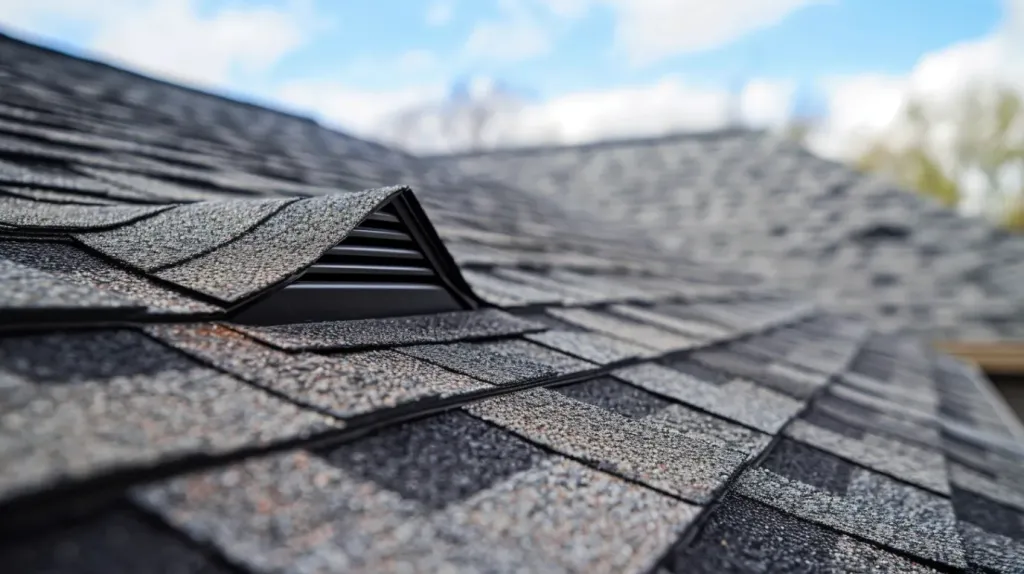
Effective ventilation in historic Michigan homes is crucial for preventing moisture issues and maintaining structural integrity. Homes built from the 1970s to 1990s often used soffit and ridge vents to control airflow, reducing heat and mold risk that can damage roofing. Older homes may suffer from poor ventilation or outdated roofing, affecting energy efficiency. Regular roof inspections ensure vents stay clear, optimize air circulation, and minimize wear. Proactive maintenance enhances property value and comfort while preventing costly repairs.
How Michigan Weather Impacts Roof Performance
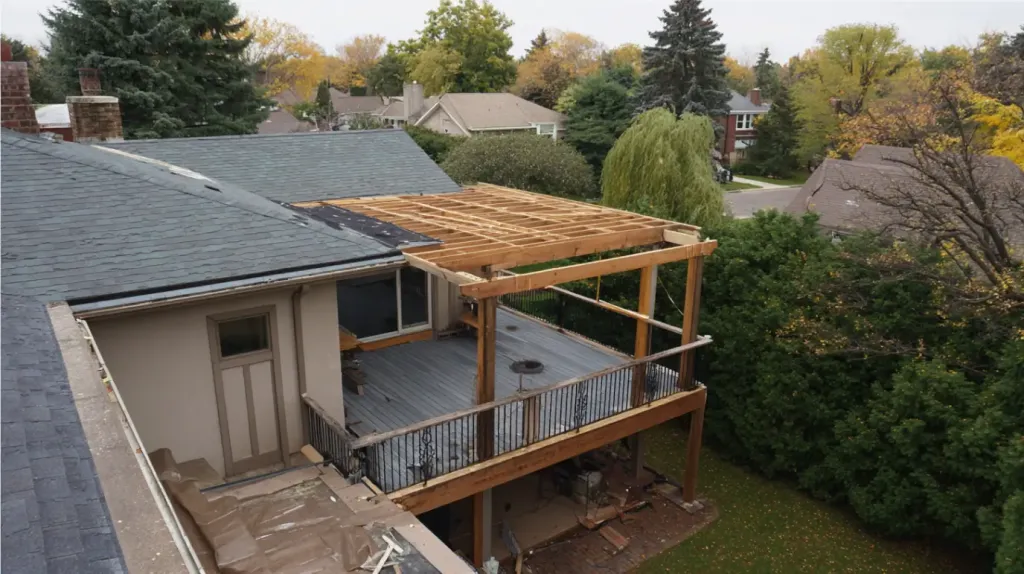
Michigan’s harsh weather takes a toll on roofs, especially older ones. Heavy snow, freezing temperatures, high winds, and strong summer sun accelerate roof damage. In Kentwood, we’ve seen minor issues quickly become costly repairs due to these conditions. Older roofs are especially at risk. Knowing how each season affects your roof helps you prevent problems. From winter freeze-thaw cycles to summer UV exposure, Michigan’s climate is tough on your roof’s decking and vents. Here’s how seasonal changes and moisture impact your roof year-round.
Seasonal Effects on Roof Longevity
Michigan’s seasons create unique challenges for your roof. Summer’s UV rays can make shingles brittle and crack, while spring and fall storms bring high winds that may lift or tear them. Regular maintenance—like cleaning gutters and trimming branches—helps prevent damage. Winter is especially harsh, as heavy snow and ice dams strain the roof. These stresses shorten your roof’s lifespan, and neglect can lead to rapid deterioration. Early detection is key. After storms, check your roof from the ground for visible damage. Professional inspections can catch hidden issues before they become expensive repairs.
Impact of Local Climate on Decking and Vents
Kentwood’s humid summers and wet winters impact your roof’s decking and vents. Poor attic ventilation traps moisture, causing condensation and ongoing dampness, which leads to rot and weakens the roof. Older homes with damaged vents are especially vulnerable. Faulty vents let rain or melting snow into the attic, resulting in leaks and costly repairs. Given Michigan’s climate, proper attic ventilation and well-maintained decking are essential to prevent mold, wood rot, and structural damage. Protecting these areas helps your roof endure harsh weather year after year.
Understanding Poor Ventilation and Its Hidden Risks
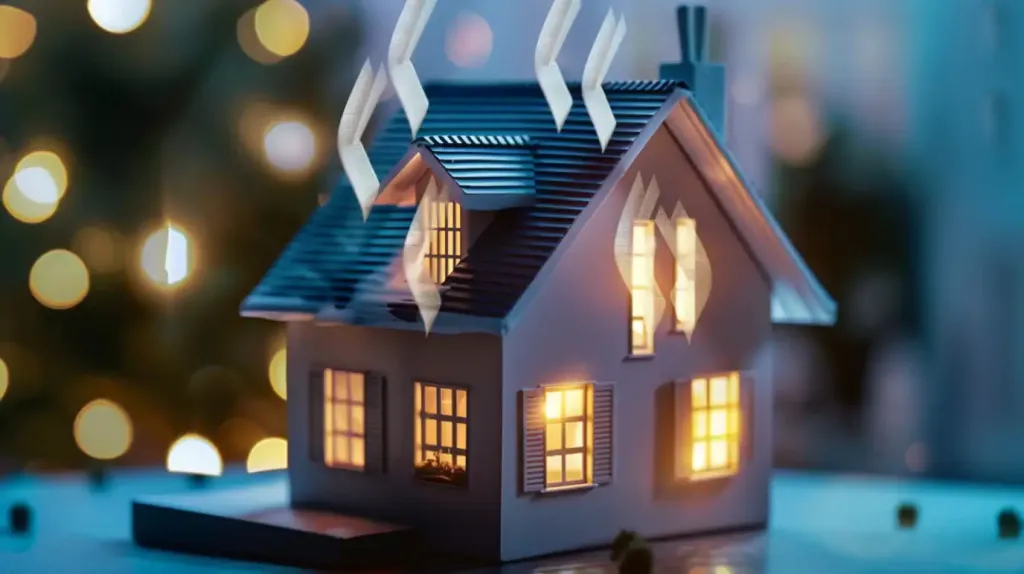
Poor ventilation is a common, often overlooked roof problem in older homes, particularly those built between the 1970s and 1990s. When your attic can’t breathe properly, trapped heat and moisture can lead to significant issues such as mold growth, wood rot, and structural damage—often hiding within attic spaces. The risks extend beyond mere structural integrity; poor ventilation can also negatively impact your family’s health, increase energy bills, and lower overall indoor air quality, leading to discomfort. We’ll explain how to spot these critical issues and protect your home effectively from these potential hazards.
Mold Growth Linked to Improper Roof Ventilation
Mold often develops in homes with poor roof ventilation, especially in older Kentwood neighborhoods. Inadequate airflow creates warm, humid attic spaces, increasing the risk of mold and mildew. This can harm air quality and weaken roof decking. To prevent this, schedule regular roof inspections for water damage or condensation. Proper attic ventilation is essential to eliminate stagnant air and stop mold growth. Roof repair services can assess and improve ventilation systems to ensure optimal airflow. Without these precautions, homeowners risk expensive repairs and reduced property value.
Energy Inefficiency and Higher Utility Bills
Improper roof ventilation in older homes can lead to significantly higher energy bills, which can strain homeowners financially. During the summer months, poor ventilation traps hot air in the attic, making your air conditioning system work much harder and subsequently raising utility costs. In the winter, trapped moisture can dampen insulation, forcing your heating system to run longer and less efficiently. Proper ventilation is essential, as it regulates temperature year-round, reduces HVAC strain, and ultimately lowers energy costs. Improving airflow is a simple yet effective way to boost energy efficiency and save money in the long run.
Signs Your Decking or Roof Vent Needs Attention
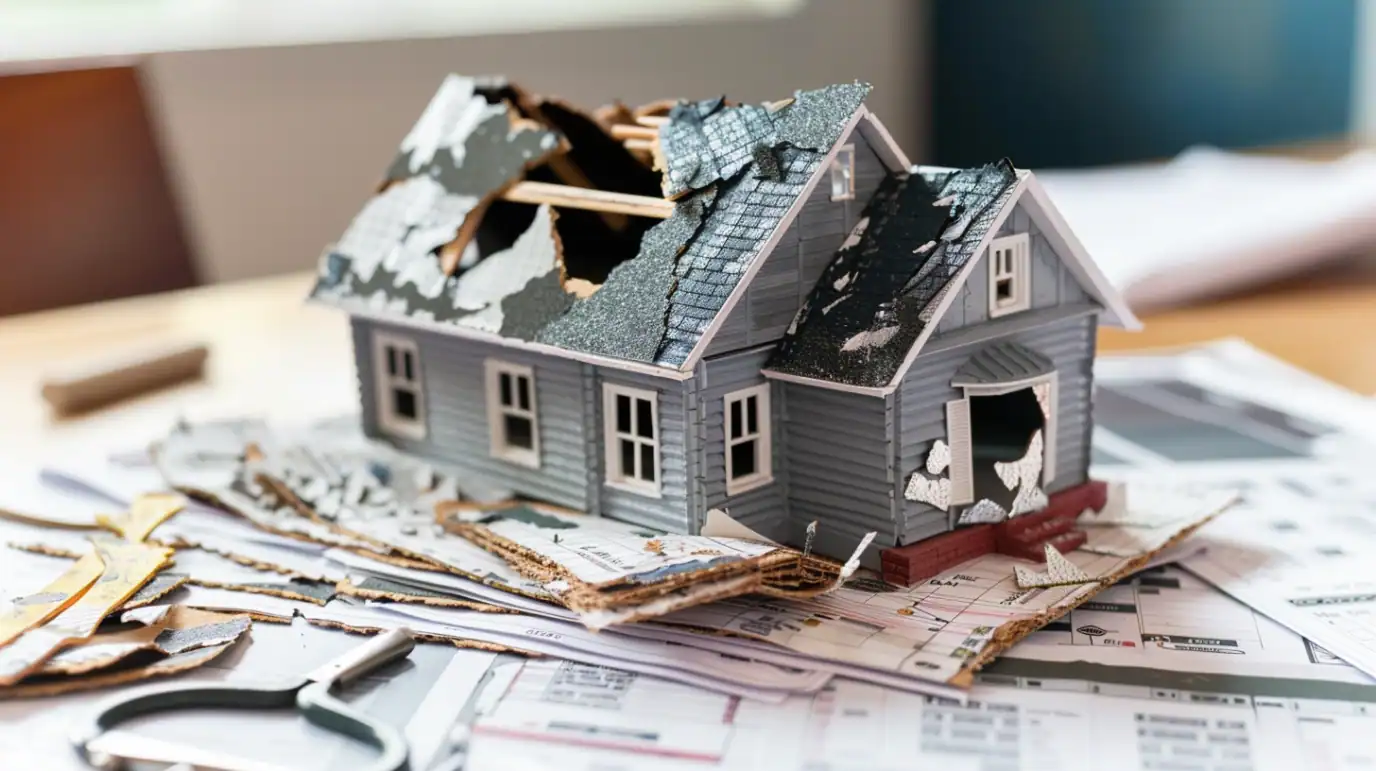
Recognizing signs of damage to your roof’s decking and vents is crucial to avoid costly repairs. Small issues can quickly worsen if left unattended, but early detection can prevent major water and structural damage to your home. Regular inspections are important, but you can also watch for warning signs yourself. Look for visible roof damage, such as missing shingles or sagging areas, and unusual odors inside your home—early warnings are often subtle and easy to overlook. We’ll explain in detail what to check both outside and inside your home, and when to call a professional for assistance.
Visible Damage and Warning Signals in Older Roofs
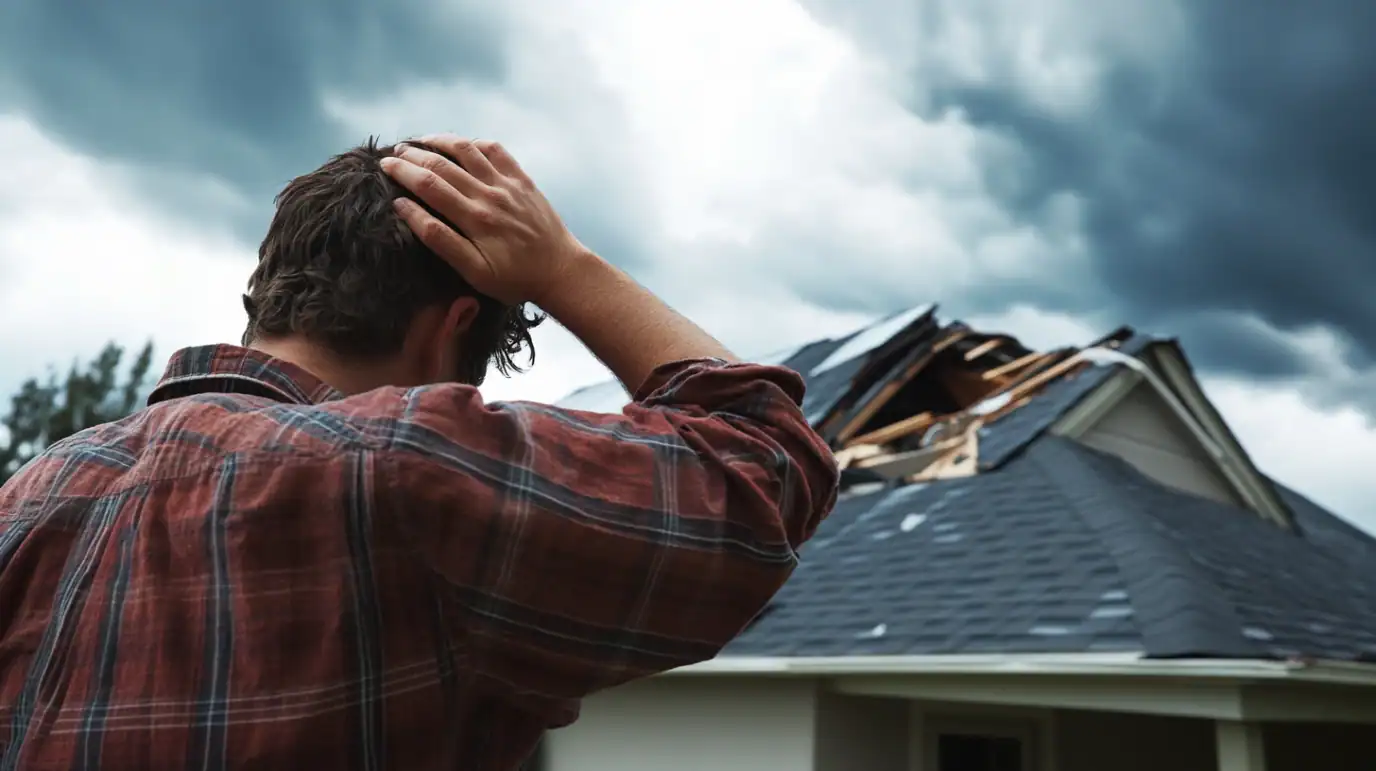
Roof damage is often obvious, especially in homes built between the 1970s and 1990s. Homeowners should regularly check for missing shingles, granule loss, or water stains on ceilings and walls—common signs of leaks. Warped or discolored deck boards may indicate structural problems needing prompt repair. Mold growth or persistent odors can signal poor ventilation and moisture issues in the attic. Regular inspections help catch these warning signs early, preventing costly repairs from severe weather. Addressing visible damage protects your home’s appearance, increases its value, and improves energy efficiency. Consistent maintenance is essential for a long-lasting roof in Kentwood.
Unusual Odors, Condensation, and Staining
Sometimes, the first signs of roof problems appear inside your home. Yellow or brown water stains on ceilings or walls indicate leaks, which may be far from their source. A musty smell in the attic or upper rooms often means hidden mold caused by moisture. Attic condensation—like winter frost on the roof deck or summer moisture beads—signals poor ventilation or bad sheathing. Excess moisture can lead to wood rot and mold, causing hidden damage. Don’t ignore these early warnings. Prompt roof inspections, especially when using trusted brands like GAF, MuleHide, Mastic, and Certainteed, can identify issues and help you avoid costly repairs later.
Why Choose Us
Understanding the roofing and decking challenges of Kentwood, MI homes built in the 1970s–1990s is crucial for safety and property value. Issues like poor ventilation, moisture buildup, and weather-related wear can lead to costly repairs if left unchecked. We at Property Revolution Roofing and Decks—a GAF Master Elite Contractor with a BBB A+ rating—offer expert solutions tailored to these specific needs. If you notice problems or need help, contact us for a consultation. Your peace of mind is just a call away.
Frequently Asked Questions
How often should roof inspections be scheduled for 1970s–1990s homes?
For homes from this era, we recommend you schedule roof inspections annually or after any major storm. Regular roof inspections are crucial for early detection of issues like failing decking or poor ventilation, helping you prevent costly damage before it starts.
What area of the roof is the common problem area?
The most common problem areas on roofs are around penetrations such as chimneys, vents, and skylights. The flashing in these critical spots can deteriorate over time, leading to potential failures. When this occurs, water may seep in and cause significant water damage to the roof decking, which can ultimately result in serious structural damage if not addressed promptly.
What are the signs of bad roof sheathing?
Signs of bad roof sheathing include a sagging roofline, soft or spongy spots when walked on, and water stains on your attic ceiling. This visible damage indicates moisture has compromised the wood, and addressing it quickly can help manage repair costs.
Read our blog: Kalamazoo Roof Inspection Checklist for Homebuyers: What to Look at From the Ground