
Your roof is a system of many parts working together, and the roof valley is one of the most important. This is the channel formed where two roof slopes connect, and it plays a huge role in guiding water safely off your home. Making the right choice for your valley style is essential for long-term property protection and peace of mind here in Kentwood.
Understanding Roof Valleys in Kentwood Homes
Valleys serve as a critical component of any roof, managing water runoff effectively. In Kentwood, MI, the configuration where roof slopes meet requires careful consideration to prevent water infiltration and potential damage. The choice of valley installation method, whether open or closed, significantly influences both the roof’s durability and aesthetic appeal. Homeowners should evaluate their specific needs, climate considerations, and the expertise of their roofing professional to ensure proper installation and enhance the lifespan of their roof while minimizing the risk of leaks.
Contact Us
What Are Roof Valleys and Why Do They Matter?
Roof valleys are crucial components of a roofing system, channeling water away from the roof and preventing leaks. They help protect structural integrity by directing runoff efficiently, making them vital for maintaining the longevity and safety of your Kentwood home.
The Role of Roof Valleys in Protecting Your Property
Roof valleys serve as a critical component of any roofing system, directly influencing water flow and runoff management. Proper valley installation is essential to prevent water infiltration, which can lead to severe water damage over time. As roof slopes meet, these valleys funnel rainwater, especially during heavy rainfall or snowmelt, helping protect your property from potential leaks. Ensuring that your valleys are built to accommodate local weather conditions enhances not only the roof’s longevity but also its overall energy efficiency and aesthetic appeal.
Local Roofing Standards in Kentwood, MI
In Kentwood, adhering to local roofing standards ensures both safety and optimal performance. These standards dictate the preferred methods for roof valley installation, influencing choices between open and closed valley systems. Proper installation not only enhances the aesthetic appeal but also mitigates risks such as water infiltration and ice dams, particularly during heavy rainfall. Engaging certified roofing professionals familiar with local codes guarantees the right choice for your home, contributing to both energy efficiency and the longevity of your roof.
Open Roof Valleys Explained
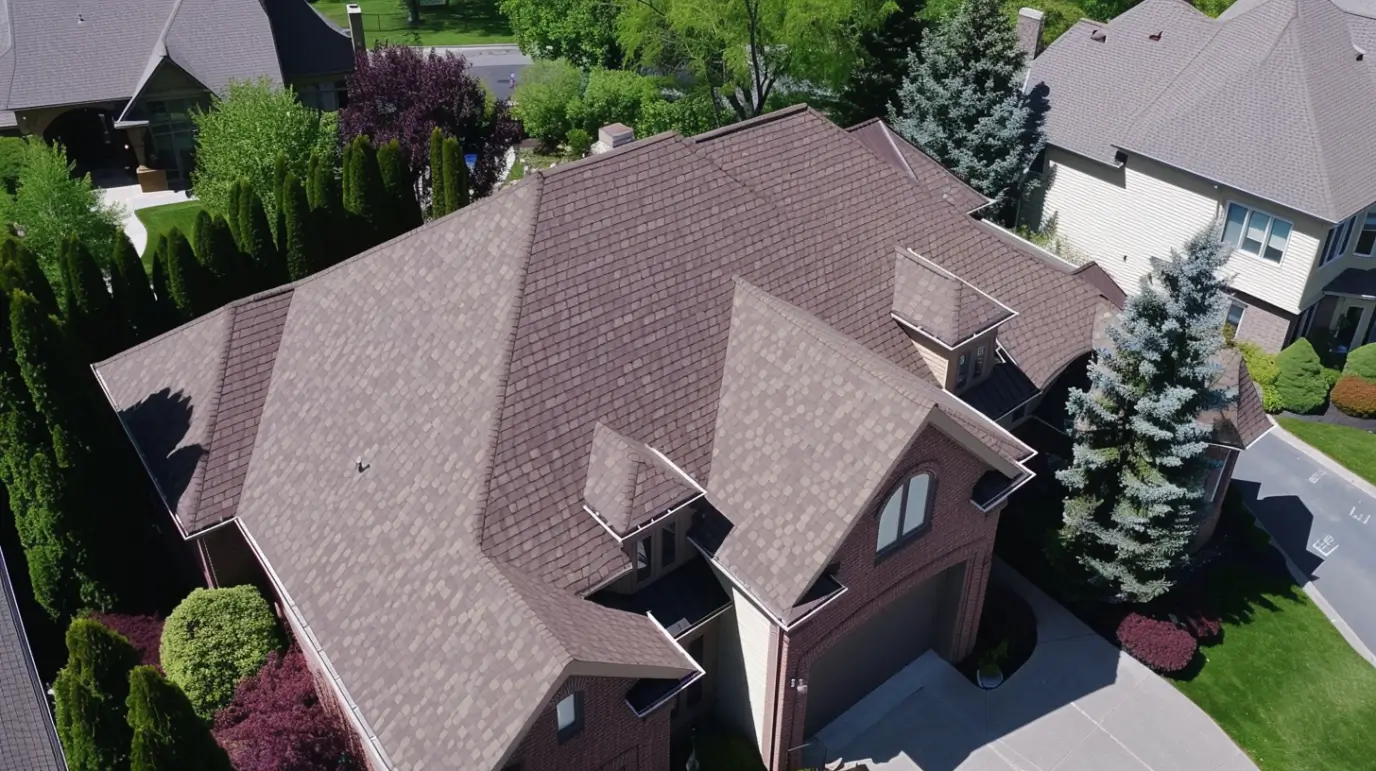
An open valley is a time-tested roofing technique that leaves a channel of metal flashing exposed. This metal strip runs down the center of the valley, acting as a slide for water and debris. It is a highly functional and durable option for homes in areas with significant rainfall or snow.
The main idea behind the open valley system is to create an unobstructed path for water to flow directly into the gutters. This method is praised for its efficiency and longevity. Let’s look closer at how these valleys are built and what makes them a great choice.
How Open Roof Valleys Are Constructed
Open roof valleys are constructed using a specific method that promotes optimal water flow. This technique involves overlaying roofing materials across the valley with metal flashing at the top, ensuring protection against water infiltration. The design allows robust runoff, minimizing the risk of leaks during heavy rainfall or ice dams. Skilled roofing professionals pay close attention to detail during installation, ensuring a seamless transition between roof slopes while enhancing the overall aesthetic appeal of the property. Proper installation is crucial for longevity.
Advantages of Choosing Open Roof Valleys
Open roof valleys offer several significant advantages, particularly in areas prone to heavy rainfall. This installation method promotes optimal water flow, effectively managing runoff and minimizing the risk of leaks. With metal flashing incorporated, they enhance durability against water damage. Furthermore, the aesthetic appeal provides a modern look that complements various roof designs. Homeowners can expect improved energy efficiency and longevity from properly installed open valleys, making it a critical component for protecting their investment against the elements.
Common Challenges with Open Roof Valleys
Open roof valleys, while often praised for their modern aesthetic appeal, present certain challenges that homeowners should consider. Water runoff can accumulate in these valleys, increasing the risk of leaks and potential water damage if not properly maintained. Additionally, the exposure to heavy rainfall and ice dams necessitates vigilant upkeep. A qualified roofing professional should regularly inspect the valley installation to ensure it meets the specific needs of your roof design, providing peace of mind against these common issues.
Closed Roof Valleys Explained
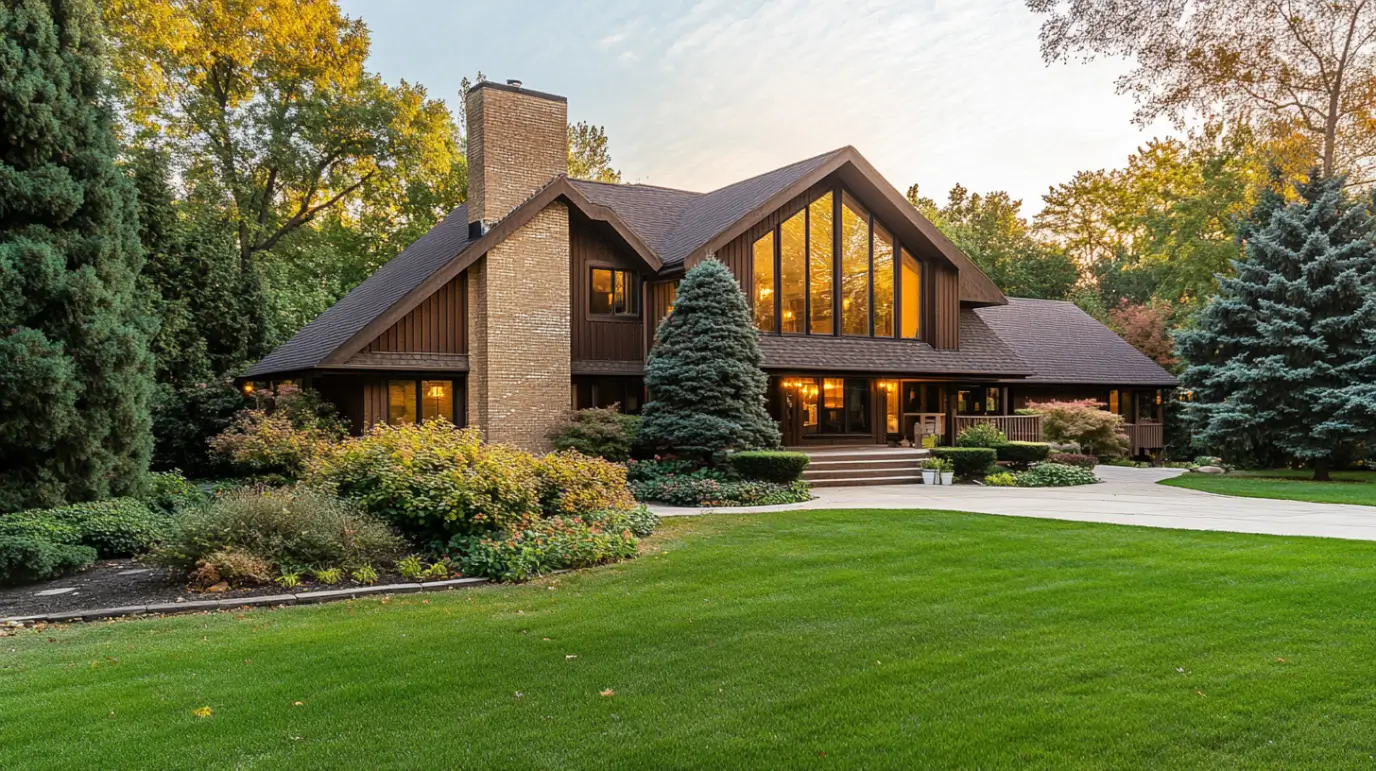
A closed roof valley offers a very different look from its open counterpart. In this style, the shingles are installed across the valley, completely covering the area where the two roof slopes meet. This creates a continuous and uniform appearance, which many homeowners prefer for its seamless aesthetic.
There are two main types of closed valleys: the closed-cut and the woven valley. Both methods hide the metal flashing underneath the shingles. We will explore how these are installed and the unique benefits they bring to a home’s curb appeal.
How Closed Valleys Are Designed and Installed
Closed valleys are designed with a specific construction method that integrates shingles directly over the valley area. This approach not only enhances aesthetic appeal but also creates a seamless transition for water runoff, effectively minimizing the risk of leaks. During installation, careful attention is paid to overlapping materials and proper flashing, ensuring durability against heavy rainfall and ice dams. A roofing professional typically lays the shingles in a way that directs water to flow smoothly, maintaining the integrity of the entire roof structure.
Benefits of Closed Roof Valleys
Closed roof valleys offer several advantages for homeowners in Kentwood, particularly in safeguarding against water infiltration. This installation method minimizes the risk of leaks during heavy rainfall by effectively channeling water runoff. Moreover, the aesthetic appeal of a closed valley contributes to the desired look of the roof, blending seamlessly with various roofing designs. With proper installation, these valleys can enhance energy efficiency and extend the lifespan of your roof, making them a prudent choice for long-term value.
Drawbacks to Consider with Closed Roof Valleys
Closed roof valleys, while offering a seamless aesthetic, come with specific drawbacks. The installation method can create areas prone to water infiltration, especially during heavy rainfall. Without proper drainage, debris can accumulate, leading to potential water damage. Furthermore, the risk of ice dams forming increases, which may compromise energy efficiency. Regular maintenance is essential to mitigate these issues, but those who prefer a low-maintenance option might find the open valley system to be a more reliable choice for longevity and performance.

Comparing Open vs Closed Roof Valleys
When deciding on the best choice for your roof, longevity is a major factor. Both the open and closed type of valley can last for many years, but their durability often comes down to the quality of the roof valley installation method and the materials used.
Michigan’s weather, with its heavy rain and snow, puts a lot of stress on a roof. Understanding how each valley style holds up over time will help you make an informed decision for your Kentwood home. Let’s compare the durability of each option head-to-head.
Durability of Open Roof Valleys in Kentwood’s Climate
Open roof valleys are especially advantageous in Kentwood’s climate, where heavy rainfall can lead to increased water runoff. The choice of valley installation method greatly impacts durability, as the open valley system typically features metal flashing that directs water efficiently, reducing the risk of leaks and water infiltration. With proper installation, these valleys can withstand harsh weather, including ice dams during winter. Investing in this type of valley ensures that homeowners can enjoy both aesthetic appeal and best roof performance over time.
Lifespan of Closed Roof Valleys in Michigan Weather
Closed roof valleys in Michigan weather can exhibit impressive durability when properly installed. Often featuring integrated flashing, this valley type effectively channels water runoff, reducing the risk of leaks that can arise during heavy rainfall and winter storms. Climate challenges, such as ice dams, may shorten the lifespan if installation isn’t executed flawlessly. Nonetheless, with diligent maintenance and timely inspections, closed valleys can deliver both aesthetics and longevity, reinforcing their value as a critical component of your home’s overall roofing system.
Signs of Wear and Best Practices
Monitoring the condition of your roof valleys is crucial for ensuring their longevity and performance. Signs of wear include cracked or peeling material, discoloration, and excessive granule loss. For open roofs, regularly inspect metal flashing for rust, while closed valleys may show water infiltration after heavy rainfall. Implement preventative measures like cleaning debris and maintaining proper drainage to mitigate risks. Consulting a roofing professional can also provide tailored recommendations based on your specific needs and the valley installation method used.

Choosing the Best Roof Valley for Your Kentwood Home
Making the right choice for your roof valley comes down to balancing durability, aesthetics, and budget. There is no single “best” option for everyone, as your home’s specific needs and your personal preferences play a big role. Our goal is to give you the information you need to make an informed decision.
At Property Revolution Roofing and Decks, we believe in helping you find the perfect solution. As a family-owned business, we treat your home like our own. Let’s review some final recommendations on materials, cost, and maintenance to help you choose with confidence.
Material Recommendations from Our Team
Choosing the right materials for roof valleys is essential for functionality and aesthetics. AT Property Revolution Roofing and Decks, we recommend durable options like metal flashing for open valleys, as it provides superior water runoff management. For closed valleys, shingles that align well with your roof design ensure seamless integration and reduce the risk of leaks. Both options should account for Kentwood’s climate, ensuring energy efficiency and longevity. Consulting with roofing professionals can help you make informed decisions tailored to your specific needs.
Cost, Maintenance & Recommendations
Closed valleys cost less upfront, but open valleys are more durable and need less maintenance, making them more cost-effective over time. Both types require detailed installation; woven valleys may take longer to install.
As GAF Master Elite and MuleHide Certified Installers, we recommend open valleys for their superior performance in our climate. Consider:
- Budget: Closed valleys have a lower initial cost.
- Aesthetics: Closed valleys offer a seamless look.
- Durability: Open valleys manage water better.
We promise: “Your vision, our process, dreams built right.” We’ll help you choose the best valley style for your home and deliver quality results.
In Summary
In summary, understanding roof valleys is essential for Kentwood, MI homeowners who want durable roofs. Open and closed valleys each offer distinct advantages. Partnering with Property Revolution Roofing and Decks—a GAF Master Elite Contractor and EPA lead-safe renovator—ensures you make the best choice for your home. Get a quote today to enhance your home’s exterior with expert care.
Frequently Asked Questions
How long do valleys last?
The lifespan of a roof valley depends on the type and installation quality. A properly installed open valley can last the entire life of your roof. A closed valley might wear out faster due to concentrated water flow on the shingles but can still be very durable with quality materials.
What is the best roof valley method?
The best choice depends on your priorities. An open valley is often recommended for the best water-shedding performance and durability, especially in climates with heavy rain or snow. A closed valley is an excellent choice if aesthetic appeal is your main goal.
Read our blog: Skylight Leak Repair in Kentwood: Flashing vs Glass Seal—How to Tell the Difference