
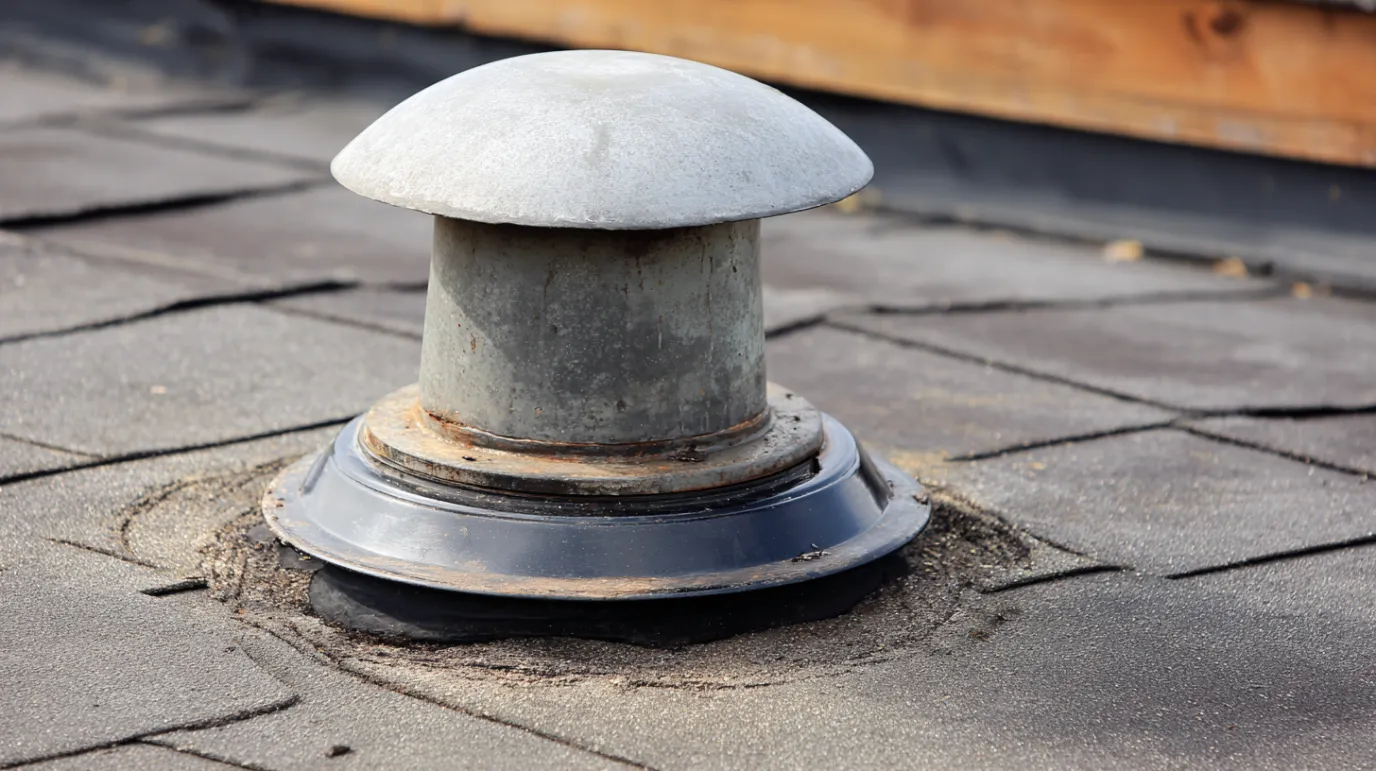
Your roof is your home’s first line of defense, but even the best roofing materials have weak points. One small but critical component is the roof vent boot. When this part fails, it can lead to significant water damage that goes unnoticed until it’s too late. Understanding the role of this simple piece can save you from major headaches and protect your Portage, MI home from unwanted water intrusion. At Property Revolution Roofing and Decks, we emphasize the importance of maintaining these components to ensure your roof remains effective in safeguarding your home.
Understanding Roof Vent Boots and Their Importance
Roof vent boots are essential for keeping your home dry and safe. These components create a watertight seal around the vent pipes that stick out of your roof. Without them, rainwater would easily find a path inside. In Michigan, where weather can be harsh, a damaged vent boot is a frequent cause of water intrusion. Protecting these areas is crucial for maintaining your home’s structural integrity. When selecting a contractor, consider their experience with similar projects and their reputable references. Let’s explore what these boots are and why they are so vital for your roof.
Contact Us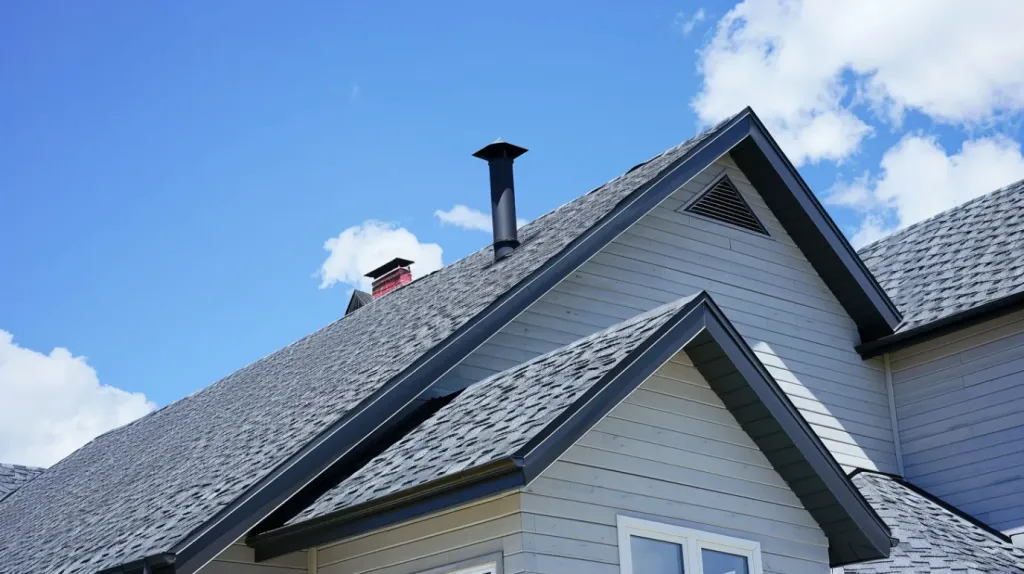
What Are Roof Vent Boots and Why Do They Matter?
A roof vent boot is a type of roof flashing that seals the area around vent pipes, preventing water from entering your attic or home. These boots are essential for plumbing and attic ventilation. Think of it as a protective collar for any pipe that goes through your roof. Over time, vent boots can crack or discolor. The overview below groups typical vent boot condition assessments into broad ranges, helping you understand if water stains on the ceiling below a vent pipe may signal a problem. If the boot is badly damaged or brittle, replacement is best. Minor issues can often be repaired. Regular inspections help you address problems early and prevent costly damage.
How Roof Vent Boots Protect Homes from Water Intrusion
Roof vent boots protect homes from water intrusion by ensuring proper attic ventilation and preventing moisture buildup, which can cause mold and structural issues. They act as barriers against rain, snow, and harsh weather, redirecting water away from key roof areas. Regular inspections help spot cracks or wear early, preventing costly repairs and reducing energy bills. Using quality materials and proper installation extends the lifespan of your roof. Routine maintenance by local professionals boosts energy efficiency and keeps your home comfortable and dry.
Common Causes of Roof Vent Boot Cracks
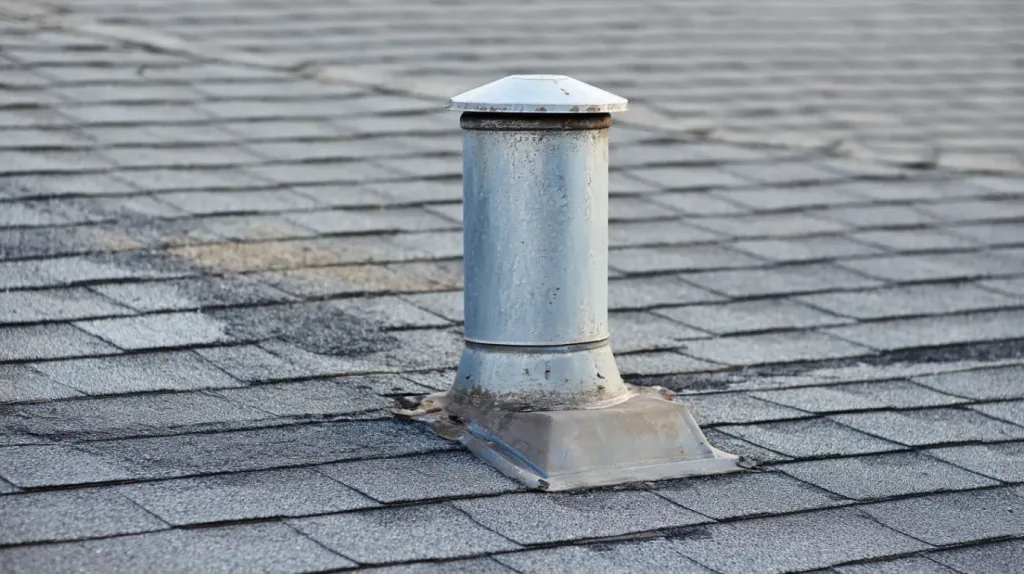
Roof vent boots don’t last forever, and several factors contribute to their breakdown. The most common culprits are aging and exposure to extreme weather conditions. Over time, the materials simply wear out from constant exposure to the elements. Storm damage from hail or strong winds can also cause immediate cracks or tears. Understanding what causes this damage can help you know when it’s time for an inspection. Let’s look at how Michigan’s weather, material age, and the highest bands of deterioration affect your vent boots.
Weather Conditions and Seasonal Changes in Michigan
Michigan’s unpredictable weather can lead to significant roof vent boot problems. The winter freeze-thaw cycles create small cracks that allow moisture to penetrate, risking leaks and mold growth. Additionally, summer storms bring heavy rain, further increasing the likelihood of leaks and structural concerns. Regular inspections and proactive maintenance by local pros are essential in keeping vent boots functional, extending your roof’s lifespan, and significantly reducing potential repair costs over time. When you are ready, don’t overlook the importance of this upkeep; you can fill out our quote form for more information on services.
Age and Material Wear as Risk Factors
Like other home components, roofing materials have a limited lifespan. Vent boots, typically made from rubber or plastic, naturally deteriorate over time, becoming brittle and prone to cracking or tearing, considering your roof’s specific needs. This creates a direct path for water to enter your home. Ignoring these small issues can damage your roof deck and attic, threatening your home’s structural integrity. The health of your roof depends on all its parts. Repairing a leaking vent boot begins with a thorough inspection. Addressing problems early prevents further damage and extends your roof’s life.
Signs That Your Roof Vent Boot May Be Damaged
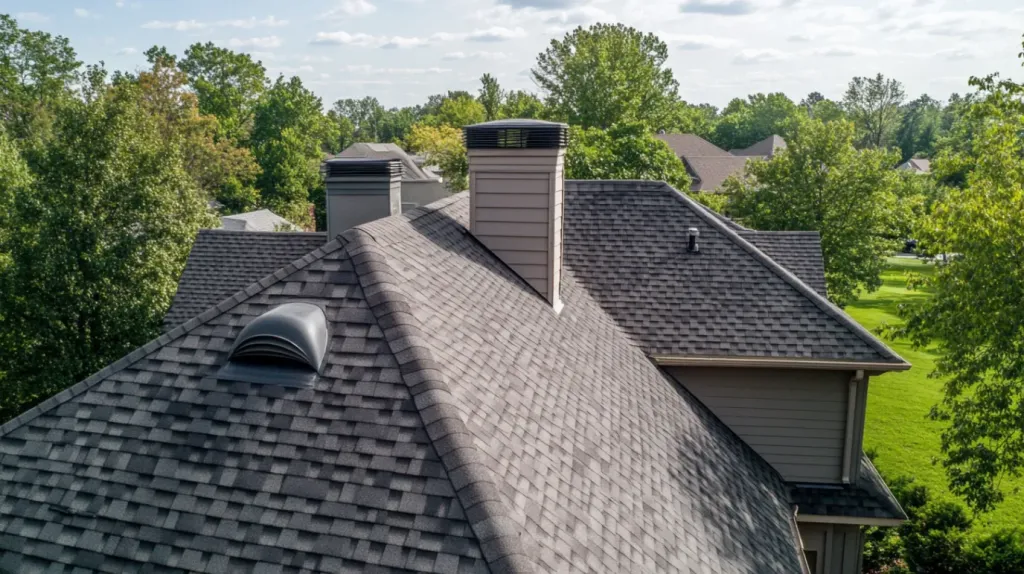
Knowing what to look for can help you catch a failing pipe boot vent boot before it causes major problems, especially during severe weather conditions. Some signs are easy to spot from the ground, while others require a closer look inside your attic. Visible cracks on the boot itself are a clear indicator of trouble. Inside, you might find water stains, moisture, or even mold growth near the vent pipe. These are all signs of roof leaks that need immediate attention. What other clues can point to a damaged vent boot?
Visible Cracks, Discoloration, and Water Stains
Visible cracks, discoloration, and water stains on roof vent boots often signal underlying problems. These early warning signs can indicate potential water intrusion and threaten your roof’s structural integrity. Small cracks may expand in harsh weather, leading to costly repairs if ignored. Discoloration around vents suggests moisture buildup, which can cause mold growth and further damage. In many cases, the cost of repairs falls within common middle ranges that homeowners should be aware of, which can serve as general starting points for budgeting. Regular inspections by local professionals help catch these issues early, allowing for prompt repairs before they worsen. Addressing leaks quickly protects your roof’s lifespan and gives you peace of mind.
Attic Moisture, Mold, and Other Interior Signs
Sometimes, the first sign of a problem appears in your attic, not on your ceiling. A musty smell or dampness near attic vents often signals a leak, which can cause mold on insulation, wood framing, or stored items. If you find a leak around the vent boot on your roof, address it immediately—this means your roof’s defenses are failing and water damage may follow. Regularly inspect your attic for everyday jobs, especially after heavy rain. Don’t ignore moisture or mold; these are signs of bigger issues that require local service providers for professional attention before they worsen.
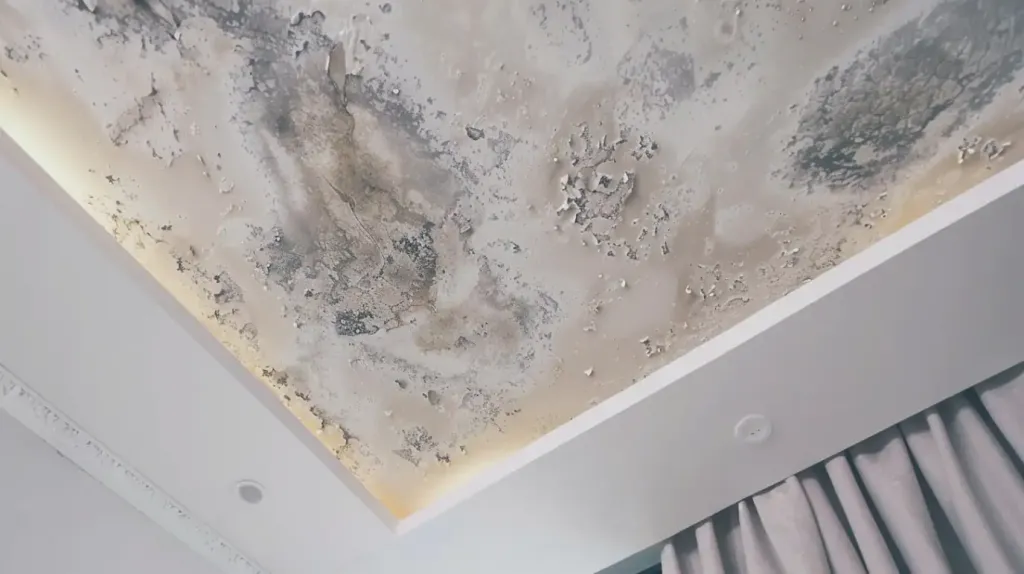
How Small Cracks Lead to Major Water Intrusion in Portage, MI
It can be hard to believe that a tiny crack can cause so much trouble. However, when it comes to your roof, even the smallest opening is an invitation for water intrusion. Water is persistent and will find any path it can to get inside your home. What starts as a minor drip can quickly escalate into a serious issue, leading to costly repairs for practical projects related to your roof, including typical project types. Understanding this process is the first step toward effective leak prevention and avoiding major roof repairs. We will now explore how this happens and why early detection is so important.
The Pathway of Water Leaks into Your Home
Water intrusion often starts with small cracks in roof vent boots. Over time, harsh weather conditions and improper installation can compromise these boots, allowing water to seep into roofing materials. This can lead to significant damage, major damage, mold growth, and costly repairs. Moisture entering through vent boots may travel along flashing and into your attic or walls, creating hard-to-find leaks. Regular inspections by local professionals help catch and fix these issues early, protecting your roof’s structure and lifespan. Proactive maintenance gives homeowners peace of mind against future leaks and water damage.
Why Early Detection Is Essential for Portage Residents
Proactively identifying roof vent boot issues helps prevent major water intrusion and ensures proper ventilation. For Portage residents, early detection enables timely repairs that protect home structure. Even small cracks can cause mold, stains, and significant roof damage if ignored. Regular inspections catch visible and hidden common problems, preventing costly future leaks. Awareness of common vent boot issues—especially with Michigan’s unpredictable weather—gives homeowners peace of mind. Using trusted local professionals ensures repairs are handled efficiently, improving your roof’s durability and energy efficiency. Consistent vigilance is essential to protect your investment.
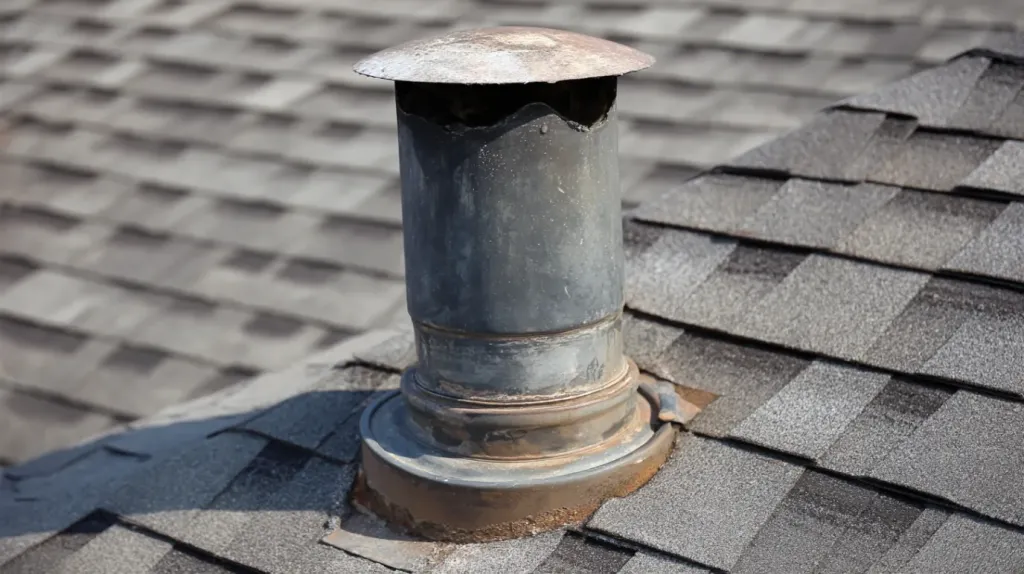
Repairing and Replacing Roof Vent Boots
When you discover a damaged vent boot, you have two different options: repair or replace. The right choice depends on the extent of the damage and the age of the boot. The repair process involves a careful inspection to determine the actual totals and the best course of action. For minor issues, a vent boot repair might be sufficient. However, if the damage is severe, a full roof vent boot replacement is the only way to guarantee a lasting seal. Let’s examine the methods used and when a replacement becomes necessary.
Step-by-Step Inspection and Repair Methods
A systematic approach is key to fixing roof vent boot issues in various roofing systems and straightforward project options. Begin with a thorough inspection for cracks or water stains around vent pipes. Use quality materials and tools for durable, safe repairs. Gently lift the vent boot to check for poor installation or wear around the flashing. For minor problems, apply roofing sealant; for major damage, replace the vent boot by carefully removing the old one and precisely installing the new unit. This step-by-step process helps prevent future leaks and gives homeowners peace of mind.
Our Certifications, Partnerships, and Service Commitment
Our expertise is backed by top industry certifications, including GAF Master Elite Contractor, EPA Lead-Safe Renovator, and BBB A+ ratings—setting us apart from other local providers. We’re members of the Plainwell, Otsego, and Wayland Chambers of Commerce. Our partnerships with leading brands like GAF, MuleHide, CertainTeed, and Trex ensure we use only the best materials. We’re certified as MuleHide and Trex Platinum Installers. With good communication, our promise: we care for your home’s exterior so you can enjoy life. No matter the project size or site conditions, you can trust our quality workmanship.
What’s Next
Addressing small cracks in roof vent boots helps prevent major water damage for Portage, MI homeowners. Regular inspections and prompt repairs protect your home from costly leaks. At Property Revolution Roofing and Decks, we treat your home as our own. As a GAF Master Elite Contractor and EPA-certified renovator, we deliver quality service with a personal touch, whether handling smaller repairs or larger jobs or collaborating with local contractors. If you need help with roof vent boots or want expert advice, contact us for a consultation—we’re here to help safeguard your home.
Frequently Asked Questions
What are the signs of bad roof sheathing?
Signs of bad roof sheathing include a sagging roofline, soft spots, and water stains or mold in your attic. This water damage jeopardizes your roof’s lifespan and home integrity, necessitating prompt professional attention, particularly in areas with routine maintenance needs.
Does insurance cover roof sheathing?
Most homeowners insurance policies cover roof inspection for sheathing damage if it’s caused by a sudden, covered event like a storm and access to the work area is considered. However, damage from long-term neglect or wear and tear is typically not covered. Property owners should review their policy to understand their specific coverage for these costly repairs.
Read our blog: Portage, MI Spring Storm Roof Prep: Fast Checks Before Thunderstorm Season