Spring has arrived in Portage, MI, and with the melting snow comes the perfect time to check on your home’s first line of defense: your roof. The harsh winter freeze–thaw cycles can create significant stress on residential roofing systems, often leading to hidden roofing issues. A spring tune-up is your best strategy to identify and address these problems before they escalate, ensuring your home stays safe and dry through the upcoming seasons.
Why Spring Roof Tune-Up Matters in Portage, MI
After a tough Michigan winter, scheduling spring roof maintenance is one of the most important tasks for a homeowner. The severe weather, from heavy snow to freezing rain, can weaken your roofing materials without you even realizing it. Identifying potential issues now helps you avoid surprises during the spring storm season.
A proactive approach allows you to address small problems before they become major headaches. A trusted roofing contractor can spot vulnerabilities that are easy to miss from the ground. This simple step protects your investment and gives you peace of mind, knowing your roof is ready for whatever the weather brings. Let’s explore the specific impacts of our climate and what to look for.
The Impact of Freeze–Thaw Cycles on Michigan Roofs
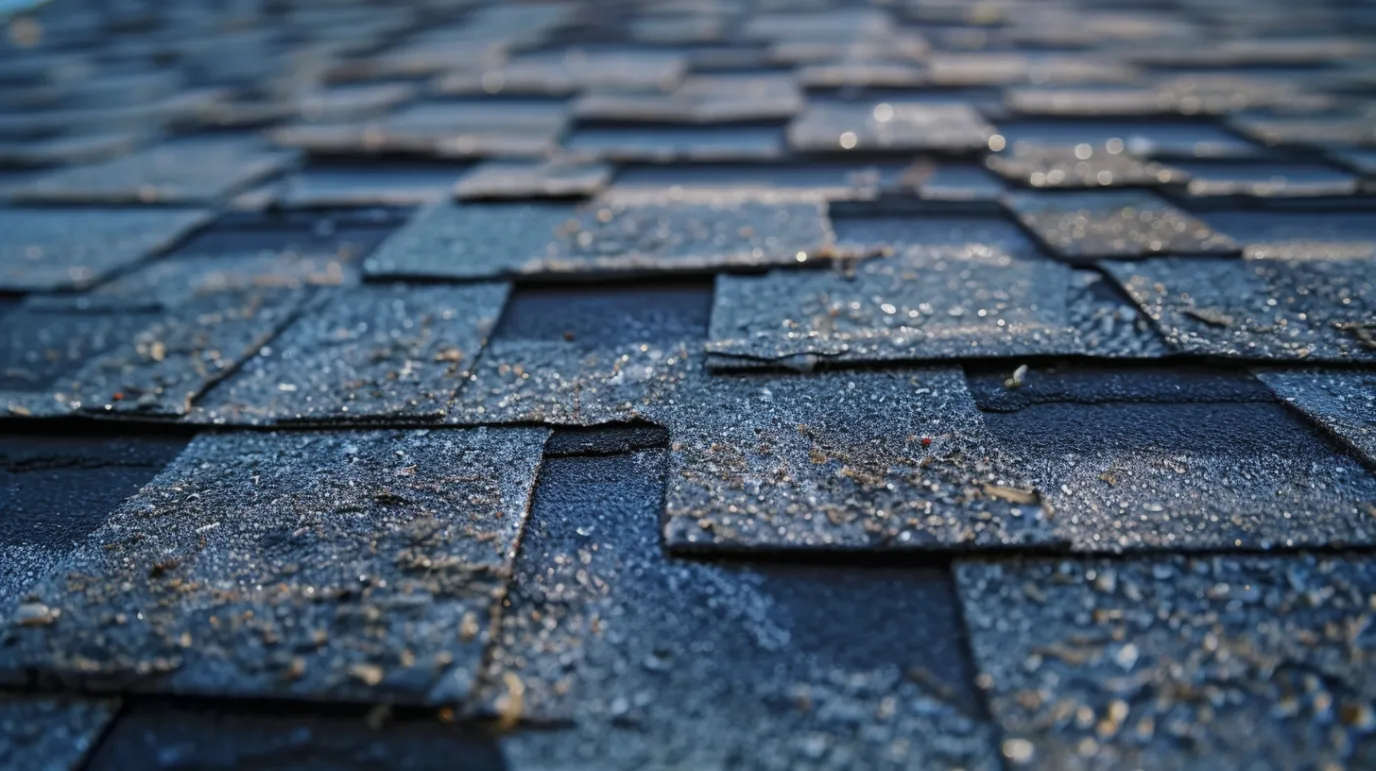
The relentless freeze-thaw cycles characteristic of Michigan winters can significantly affect roofing materials. These dramatic temperature shifts lead to expansion and contraction, often resulting in cracks or curling of asphalt shingles. Such structural issues compromise the roof’s integrity, increasing the risk of water infiltration and potential mold growth. Regular inspections after this seasonal transition are crucial to identify and address any signs of damage early. By maintaining vigilance, homeowners can safeguard their roofs against costly repairs in the future.
How Portage’s Climate Affects Roof Longevity
Portage’s distinct climate plays a crucial role in determining the longevity of roofs. The alternate freeze-thaw cycles can compromise the structural integrity of roofing materials, increasing the risk of issues like ice dam formation and moisture buildup. Heavy snowfall followed by rapid melting can lead to water infiltration, threatening the lifespan of your roof. Regular inspections by a seasoned roofing professional help in identifying these potential problems early, ensuring that minor issues don’t escalate into costly repairs, ultimately extending the life of your roof.
Awards and Expertise of Property Revolution Roofing and Decks
Protect your home with a roofing company you can trust. At Property Revolution Roofing and Decks, we treat your home like our own. As a GAF Master Elite Contractor—an honor held by only 2% of U.S. roofers—we’re committed to quality. We’re also EPA lead-safe certified, BBB A+ accredited, and active in local Chambers of Commerce. Our team is a MuleHide Certified Installer and Trex Platinum Installer, skilled in top materials from GAF, MuleHide, CertainTeed, and Mastic. After a Portage winter, our expertise ensures thorough inspections and reliable repairs. Schedule your spring roof inspection with us and rest easy knowing your home is in trusted hands. We combine your vision with our proven process to bring your dream home to life.
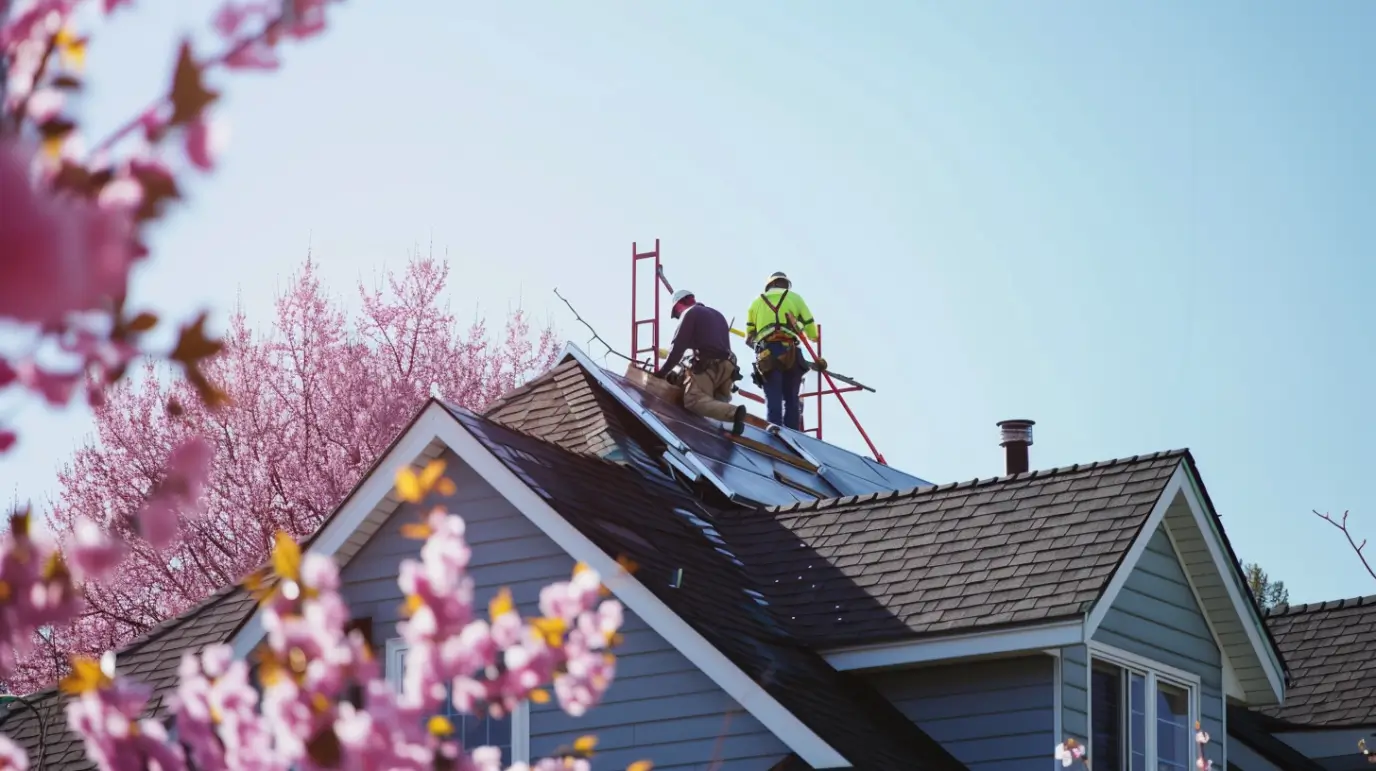
Shingle Inspection After Freeze–Thaw Season
Your shingles are the most exposed part of your roofing system, taking the brunt of winter weather. After months of freeze-thaw cycles, a thorough shingle inspection is the first step in assessing your roof’s condition. Look for obvious signs of trouble like missing shingles, which can leave your roof deck vulnerable to water damage.
Even if you don’t see missing shingles, other forms of damage can be present. Asphalt shingles are particularly susceptible to cracking and curling in cold weather. Taking a closer look at the surface of your roofing materials can reveal subtle issues that could lead to a premature roof replacement if ignored.
Signs of Shingle Cracking or Curling
Observing the condition of your shingles is vital for maintaining the structural integrity of your roof, especially after a season marked by freeze-thaw cycles. Look for visible signs of cracking or curling, which may indicate that the roofing materials have suffered due to harsh winter conditions. Inspecting for missing shingles or those that have become brittle can help identify early signs of damage, preventing minor issues from escalating into costly repairs. Prompt evaluation by a roofing professional ensures the longevity of your roof’s integrity and overall function.
How Moisture Can Damage Asphalt and Composite Shingles
Moisture can pose significant risks to asphalt and composite shingles, often leading to severe issues like water infiltration and mildew growth. During the freeze-thaw cycles, trapped moisture can expand and contract, weakening the shingles’ structural integrity. This can manifest as curling, cracking, or even missing shingles, compromising the roof’s defense against the elements. Regular inspections are vital for identifying these early signs of damage, allowing homeowners to address minor issues before they escalate into costly repairs or a complete roof replacement.
Spotting Granule Loss and Surface Wear
Regular inspections following the freeze-thaw season are crucial for identifying granule loss and surface wear on your roofing materials. Asphalt shingles, designed with a protective granule layer, can become compromised due to harsh winter weather and ice dam formation. Pay attention to missing granules that may cause underlying layers to degrade, leading to water infiltration and mold growth. Spotting these signs early on ensures the structural integrity of your roof remains intact, mitigating the risk of costly repairs down the road.
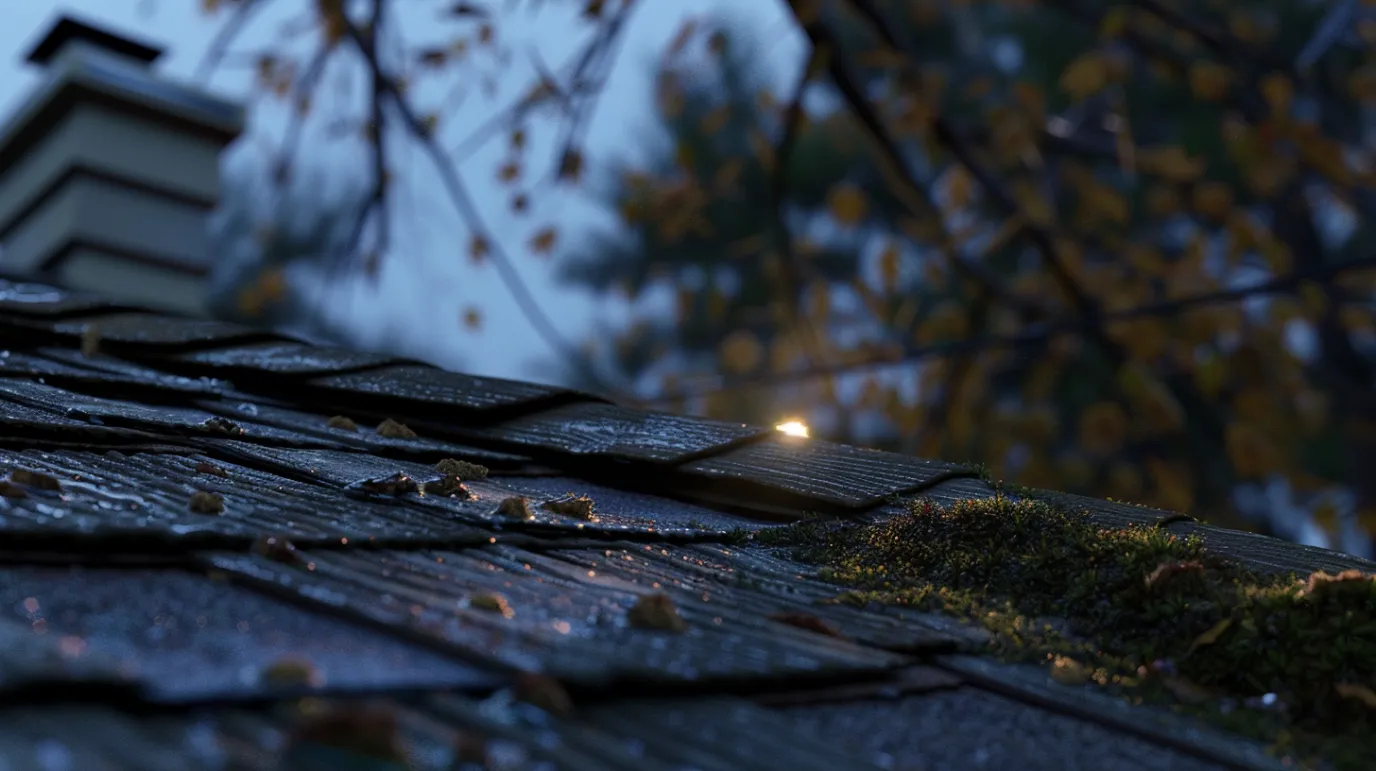
Evaluating Flashing and Sealants
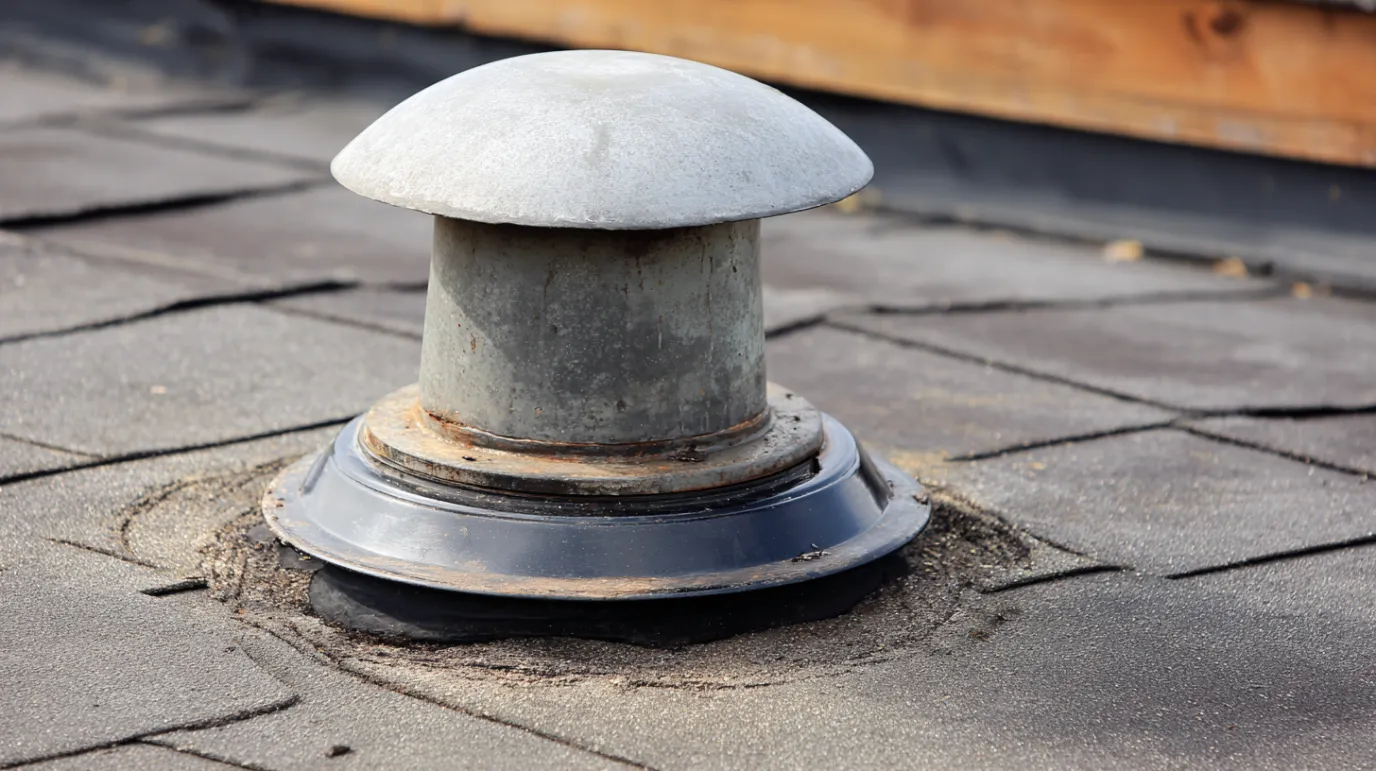
While shingles cover the main surface of your roof, flashing and sealants protect the most vulnerable areas. These materials create a watertight seal around chimneys, vents, skylights, and valleys. After a winter of expanding and contracting, these components can become loose or damaged, compromising your roofing system.
A key part of any spring tune-up is carefully checking these critical points. Ensuring their water tightness is one of the most effective maintenance steps you can take to prevent leaks. Even a small gap in the flashing or a cracked sealant can lead to significant water damage, requiring extensive roof repairs.
Identifying Loose or Deteriorated Flashing
The integrity of your roofing system depends significantly on flashing, which protects joints and transitions from potential water infiltration. During thorough roof inspections, it’s vital to check for loose or deteriorated flashing, as these weak spots can lead to severe leaks and structural damage over time. Pay particular attention to areas around chimneys, vents, and roof edges where flashing might be compromised. Timely identification and repairs can help prolong the lifespan of your roof, ensuring its durability against harsh Michigan climate conditions.
Checking Sealant Around Chimneys and Skylights
Regularly examining the sealant around chimneys and skylights is crucial for maintaining the integrity of your roofing system. After the freeze-thaw cycles, it’s common for sealants to crack or wear down, leading to potential water infiltration. Ensuring these areas are properly sealed helps prevent costly repairs from water damage or structural issues that could arise. A thorough inspection by a qualified roofing professional can identify minor problems before they escalate, safeguarding your roof’s lifespan and performance for years to come.
Ensuring Water Tightness at Valleys and Joints
Proper sealing at valleys and joints is crucial for maintaining the roof’s integrity after the freeze-thaw season. Water infiltration at these critical areas can lead to severe structural issues, including rotting and mold growth. A thorough inspection ensures that flashing is intact and caulking has not deteriorated, preventing water damage. Engaging a skilled roofing professional to assess these points not only helps detect potential problems early but also extends the lifespan of your roof by securing its defenses against Michigan’s unpredictable weather patterns.
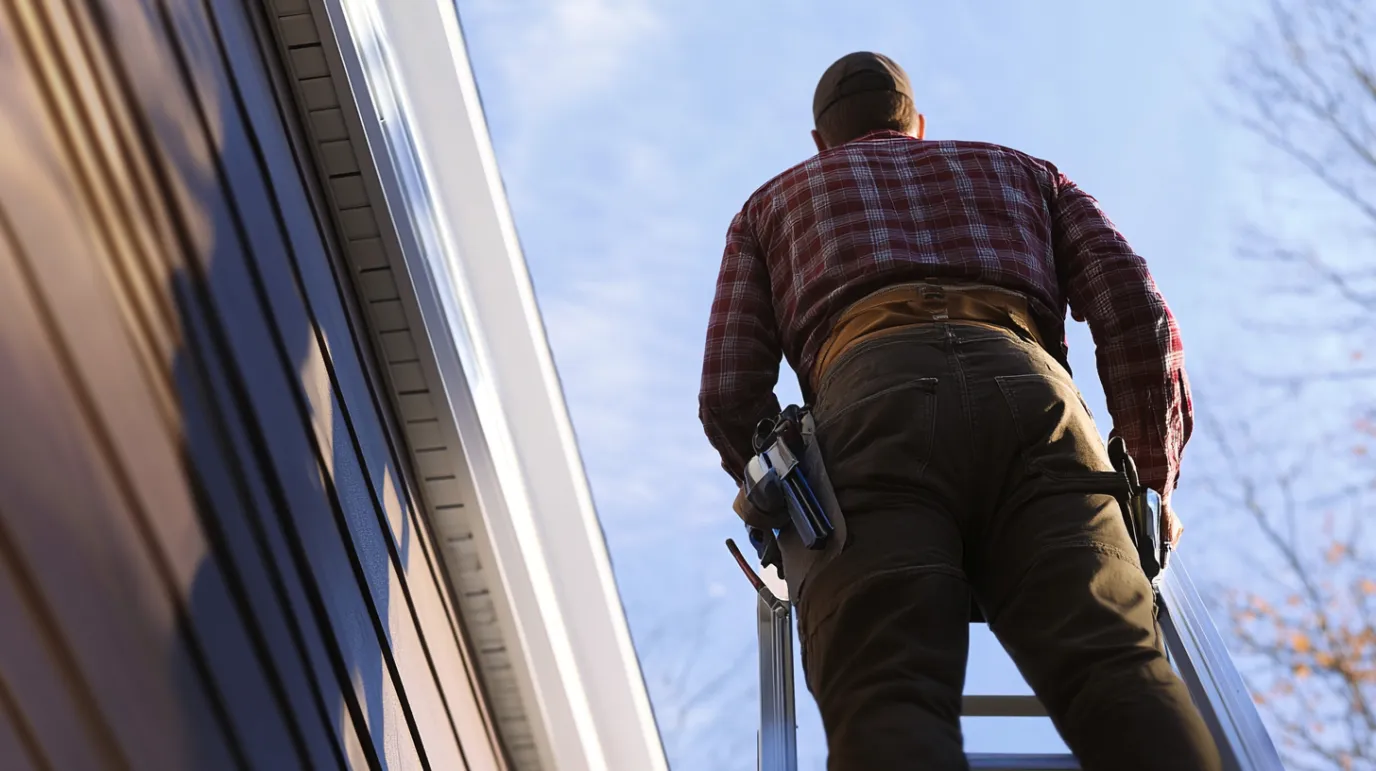
Gutter and Downspout Maintenance
Your gutters and downspouts are an essential part of your roofing system, designed to direct water safely away from your home. However, after winter, they are often clogged with leaves, twigs, and other debris. This blockage prevents proper drainage and can lead to serious roof damage.
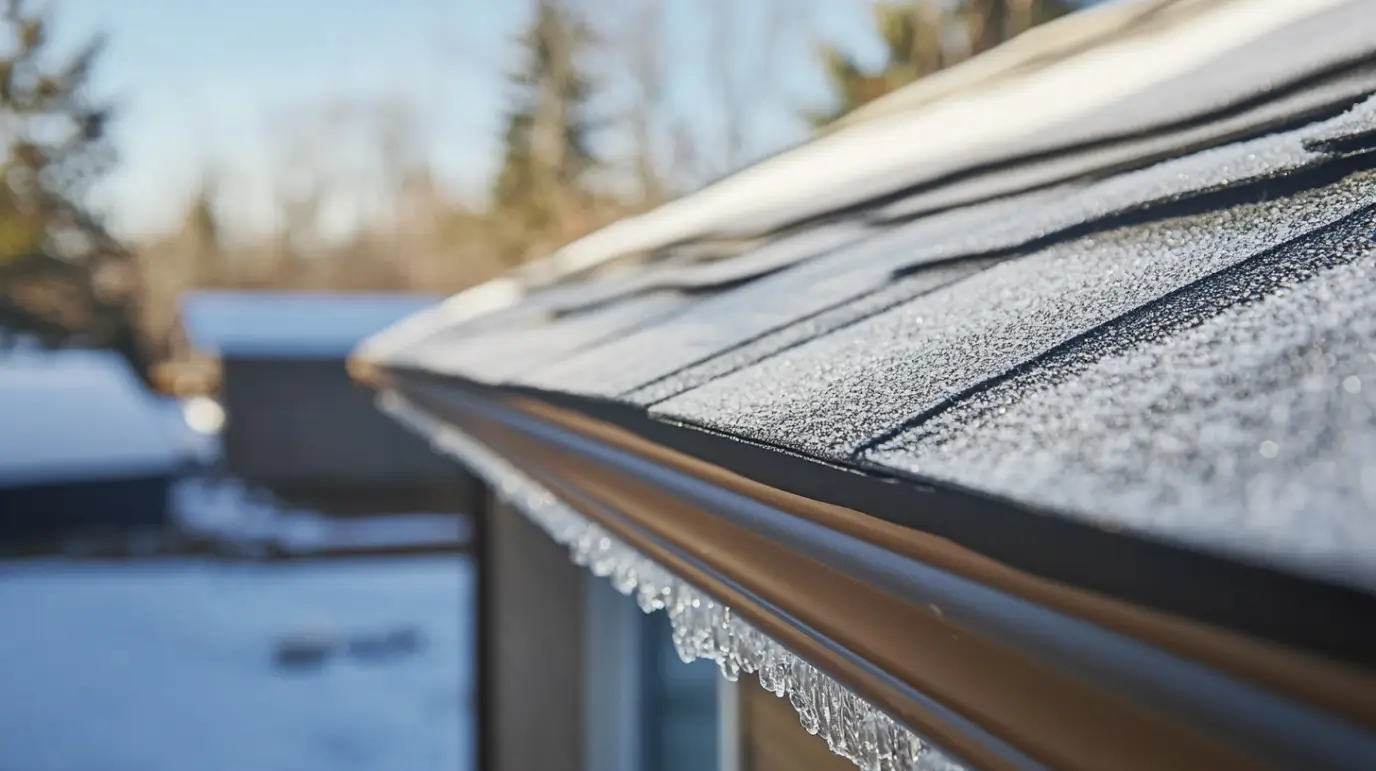
When water cannot flow freely, it backs up onto your roof, increasing the risk of leaks and promoting the formation of ice dams in colder weather. Regular gutter maintenance, including checking downspout security, is a simple task that protects your roof, siding, and foundation from water-related issues.
Effects of Clogged Gutters After Winter
Clogged gutters can wreak havoc on your roof’s structural integrity, particularly after harsh winter months. When debris accumulates, water cannot drain properly, leading to potential issues like ice dam formation and subsequent water infiltration. This buildup can cause severe damage, such as mildew growth and erosion of roofing materials, shortening the lifespan of your roof. Ensuring clean and unobstructed gutters is essential for maintaining proper drainage and preventing costly repairs down the line, thereby safeguarding your roof’s integrity.
Clearing Ice Residue and Debris for Proper Drainage
Ensuring proper drainage after the freeze-thaw cycles is crucial for maintaining the structural integrity of your roof. Ice residue and debris can block gutter systems, leading to water infiltration that damages roofing materials and shortens the lifespan of your roof. As temperatures rise, clearing away ice and debris not only prevents potential issues like ice dam formation but also promotes effective water flow during spring rains. Engaging a roofing professional for thorough inspections allows homeowners to catch minor problems before they escalate into costly repairs.
Assessing Downspout Security and Flow
Evaluating the security and flow of downspouts is crucial for maintaining the roof’s integrity after winter. Proper drainage systems prevent water infiltration that can lead to significant structural issues. Inspect for any obstructions or weaknesses in the downspout connections, as these can cause water to pool and potentially damage roofing materials. A roofing professional can identify signs of wear and ensure that downspouts effectively direct water away from the foundation, thus protecting both your roof and home from costly repairs.

Inspecting Attic Ventilation and Insulation
Your roof maintenance shouldn’t stop at the exterior. What happens inside your attic has a major impact on your roof’s health and longevity. Proper attic ventilation and insulation work together to regulate temperature and moisture levels, preventing issues like mold growth and ice dams.
Poor ventilation can trap warm, moist air, which can lead to condensation and rot on the underside of your roof deck. Checking your attic in the spring is a key step in spotting hidden damage and ensuring your home’s energy efficiency is not being compromised.
Spotting Signs of Hidden Moisture or Mold
Inspecting for hidden moisture or mold after the freeze-thaw cycles is crucial for maintaining the structural integrity of your roof. Look for water stains, bubbling paint, or mildew growth in your attic and on ceiling surfaces. These signs can indicate water infiltration and potential issues with insulation or roofing materials. A thorough roof inspection by a reliable roofing contractor can pinpoint these problems early, safeguarding the life of your roof and preventing costly repairs down the line.
Addressing Insulation Shifts After Harsh Conditions
Shifts in insulation can significantly impact your roof’s integrity following harsh winter conditions. During freeze-thaw cycles, materials may expand and contract, leading to gaps that compromise energy efficiency and contribute to moisture buildup. A thorough roof inspection is essential to identify any areas where insulation has shifted. Engaging a qualified roofing contractor ensures that any necessary repairs are conducted promptly, safeguarding your home from costly damage over time and enhancing the lifespan of your roof. Don’t overlook this crucial step in spring roof maintenance.
Ensuring Safe Airflow for Roof Health
Optimal airflow is crucial for maintaining a roof’s structural integrity, especially after enduring harsh winter months. Checking attic ventilation ensures that warm air escapes efficiently, preventing moisture buildup that can lead to mold growth and severe damage to roofing materials. Furthermore, proper ventilation supports energy efficiency by regulating temperature fluctuations. Engaging a roofing professional to assess airflow dynamics can uncover potential problems that may compromise the lifespan of your roof, helping to avoid costly repairs down the line.
Let’s Enhance Your Property Together
As spring arrives in Portage, MI, a roof tune-up after winter is essential to prevent water damage and extend your roof’s life. Inspecting shingles, flashing, gutters, and ventilation helps catch issues early and maintain integrity. At Property Revolution Roofing and Decks, we treat your home like our own. With GAF Master Elite Contractor status and EPA certification, you can trust us for all exterior home improvements. Considering a commercial project? Request a quote today—let’s enhance your property together!
Frequently Asked Questions
What maintenance does a TPO roof need?
TPO roof maintenance involves regular inspections to check for punctures, ensure seams are intact, and clear any debris. It’s also important to examine the flashing around vents and edges. As a MuleHide Certified Installer, we recommend having a professional roofing contractor perform an annual roof inspection.
What is the life expectancy of a roof in Michigan?
The life expectancy of a roof in Michigan typically ranges from 15 to 30 years, depending heavily on the roofing materials used and the severity of weather. Regular maintenance is key to maximizing the life of your roof and preventing major problems caused by our harsh climate.
Read our blog: Roof Leak Detection in Portage, MI: Hidden Sources Beyond Missing Shingles