When it comes to your home’s health, proper roof ventilation is a critical component. Many homeowners in Portage, MI, believe that adding more vents is the best way to improve airflow. However, this common assumption isn’t always correct. Achieving the right balance is key to protecting your home. This guide will explore why a well-designed attic ventilation system is far more effective than simply installing more vents.
Understanding Roof Ventilation
Your attic ventilation needs are unique. What works for one Portage home may not suit yours. Factors like insulation, outdoor temperature, and roof design all impact the ideal setup. A generic approach can cause problems for your attic and roof.
To find the best ventilation strategy, consider our local climate and your home’s construction. As a GAF Master Elite Contractor, Property Revolution Roofing and Decks understands these details. Here’s how Michigan’s weather and home designs affect your roof ventilation.
Contact Us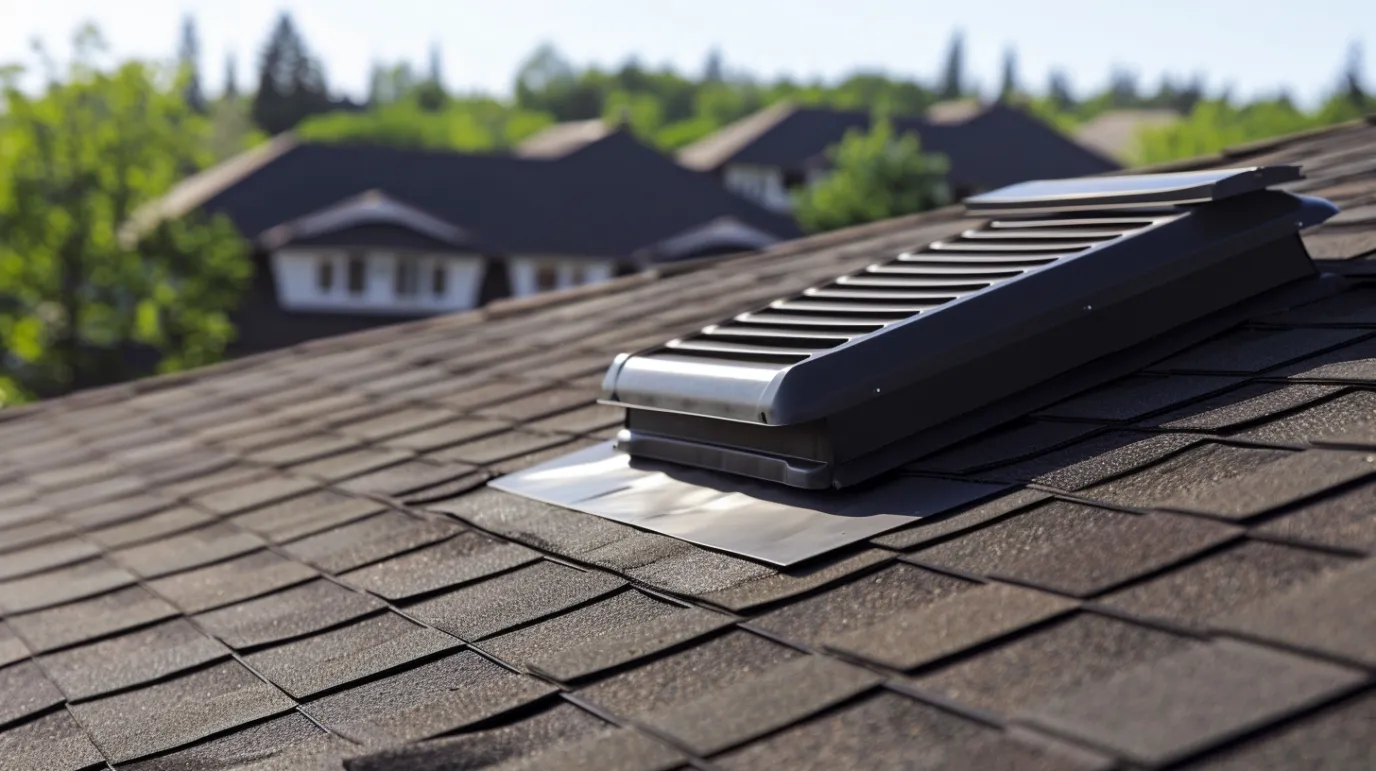
How Michigan’s Climate Impacts Ventilation
Michigan’s climate plays a crucial role in determining the effectiveness of roof ventilation systems. During the winter months, cold outdoor temperatures can lead to inadequate airflow, increasing the risk of moisture issues, such as ice dams and mold growth. In contrast, warmer months can cause heat buildup in the attic, necessitating effective attic ventilation to maintain optimal indoor conditions. Understanding how seasonal changes affect moisture levels and airflow is vital to ensuring both the longevity of your roofing system and your home’s energy efficiency.
Why Local Codes Matter
Local building codes play a crucial role in determining the necessary roof ventilation for your specific home design. They often dictate the amount of ventilation required based on the square feet of ceiling space, ensuring effective attic ventilation tailored to your roofing system. Additionally, the characteristics of your house—such as its construction style and insulation—directly affect airflow patterns. Adhering to these guidelines not only enhances your home’s energy efficiency but also helps mitigate moisture problems, promoting long-term structural integrity and air quality.
Common Roof Ventilation Myths
Many common beliefs about roof ventilation are myths. These misconceptions often lead Portage, MI homeowners to make decisions that harm energy efficiency, air quality, and structural integrity. Knowing the facts is key to a healthier home.
Falling for these myths can result in costly errors, like installing the wrong number of vents or missing signs of poor ventilation. Let’s debunk frequent misunderstandings so you can make smart choices and avoid unnecessary repairs.
More Roof Vents Always Mean Better Results
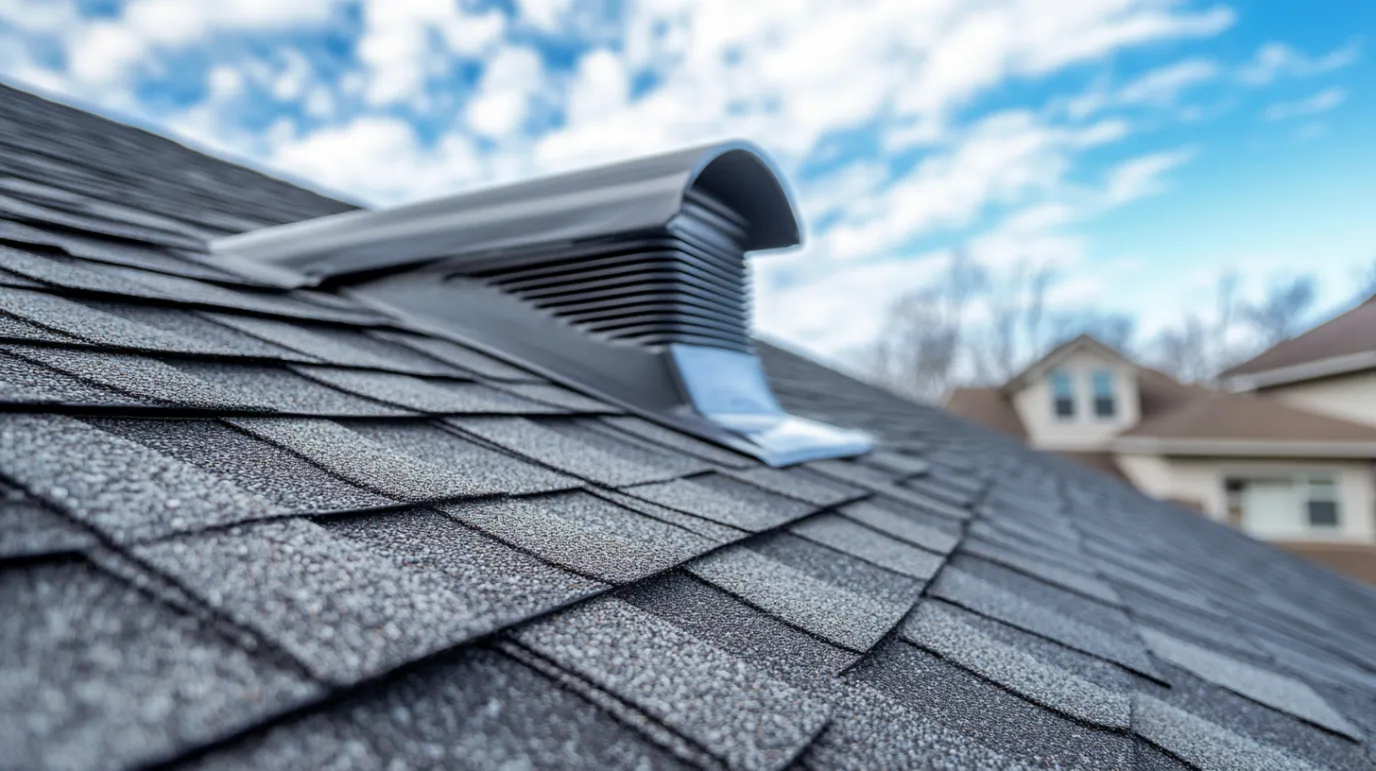
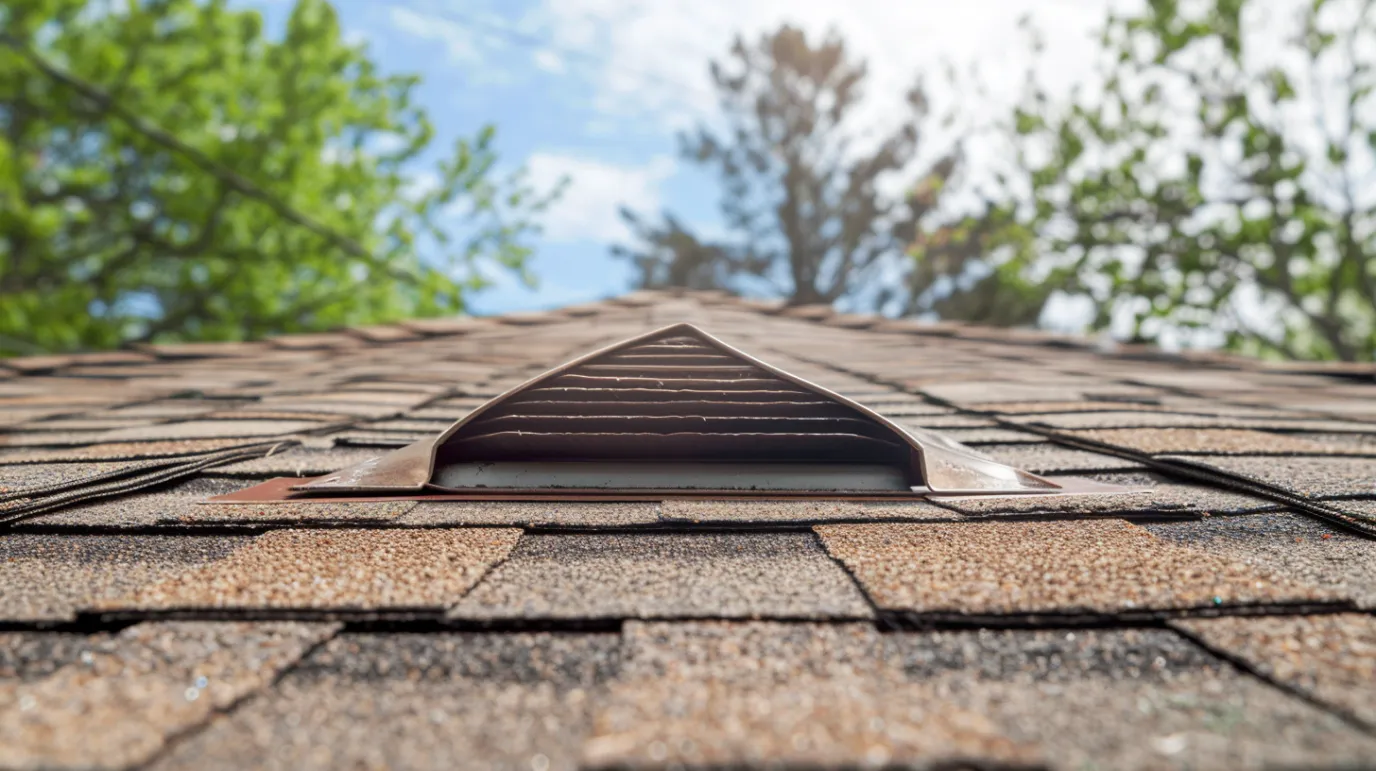
The belief that increasing the number of roof vents directly translates to enhanced ventilation is a common misconception. Excessive ventilation can disrupt the balance needed for effective attic ventilation, leading to inefficient airflow. A properly designed roof system considers the square foot of ventilation needed based on the home’s dimensions and climate, rather than simply maximizing vents. This misjudgment may result in insufficient airflow, causing moisture problems and potential structural damage, both of which can incur costly repairs for homeowners.
Proper Ventilation Is Only Needed for Large Homes
Proper ventilation is crucial regardless of home size. Smaller homes often face just as many risks related to moisture problems and poor air quality. Insufficient ventilation can lead to heat buildup in the attic, inviting issues like mold growth and wood rot. Each roofing system requires a specific amount of ventilation to maintain energy efficiency and protect the structural integrity of the roof. Homeowners should prioritize proper attic ventilation to prevent costly repairs, irrespective of their living space dimensions.

The Risks of Over-Ventilating Your Roof
Over-ventilating a roof can have unintended consequences that compromise your home’s structural integrity and energy efficiency. Excessive ventilation may lead to imbalances in airflow, causing moisture levels to escalate and resulting in costly repairs from water damage, mold growth, or wood rot. In colder climates like Portage, MI, improper attic ventilation can also contribute to ice dams and heat buildup. Ensuring the right balance of exhaust vents and adequate attic insulation is crucial for maintaining a healthy roofing system.
Potential Moisture Problems and Winter Issues
In colder months, inadequate roof ventilation can lead to significant moisture problems, including ice dams and mold growth. Warm air rising into the attic space can trap moisture, creating an environment ripe for water damage and structural issues. Insufficient ventilation exacerbates this, allowing moist air to linger and condense on colder surfaces, leading to costly repairs. Maintaining proper airflow with the right balance of exhaust vents helps mitigate these risks, ensuring your roofing system remains functional throughout the seasons.
Why Too Many Vents Can Affect Roof Performance
An overabundance of vents can lead to improper airflow, ultimately diminishing your roofing system’s efficiency. Excessive ventilation may disrupt air pressure balance, causing heat buildup and allowing warm, moist air to linger longer than necessary. This imbalance can lead to increased energy costs and moisture issues, including mold growth or wood rot. In colder months, the risk of ice dams rises as heat escapes unevenly. Balancing the number of vents ensures effective attic ventilation, enhancing your home’s energy efficiency.
Contact Us
In conclusion, understanding roof ventilation is essential for homeowners in Portage, MI. Dispelling myths around ventilation can prevent costly mistakes and ensure a well-functioning roof. Remember, more vents do not always equal better performance; factors like Michigan’s climate, local codes, and your home design play significant roles. With our expertise at Property Revolution Roofing and Decks, a Trex Platinum Installer and EPA certified lead safe renovator, we are dedicated to treating your home like our own. For tailored solutions, get quotes today and enhance your home’s energy efficiency while ensuring optimal ventilation.
Frequently Asked Questions
What is the 1 to 300 rule for ventilation?
The 1 to 300 rule is a general guideline for the minimum amount of ventilation needed. It suggests one square foot of ventilation for every 300 square feet of attic floor space. This total area should be split evenly between intake and exhaust for proper attic ventilation.
Do I need rafter vents in every rafter?
Rafter vents, or baffles, are crucial for proper attic ventilation. They create a channel for proper airflow between your attic insulation and the roof deck. You should install them in each rafter bay above an intake vent to prevent insulation from blocking the airflow from your soffits.
Read our blog: Planning a Roof Replacement in Portage, MI: Best Seasons, Permits, and Scheduling Tips