How to Choose the Perfect Fence for Your Property
A fence serves multiple purposes—it can provide security, enhance privacy, define property boundaries, and even add aesthetic value to your home. With so many fencing options available, choosing the right one can feel overwhelming. Here’s a guide to help you select the perfect fence for your property.
1. Determine the Purpose of Your Fence
Before selecting a fence, identify its primary function. Common reasons for installing a fence include:
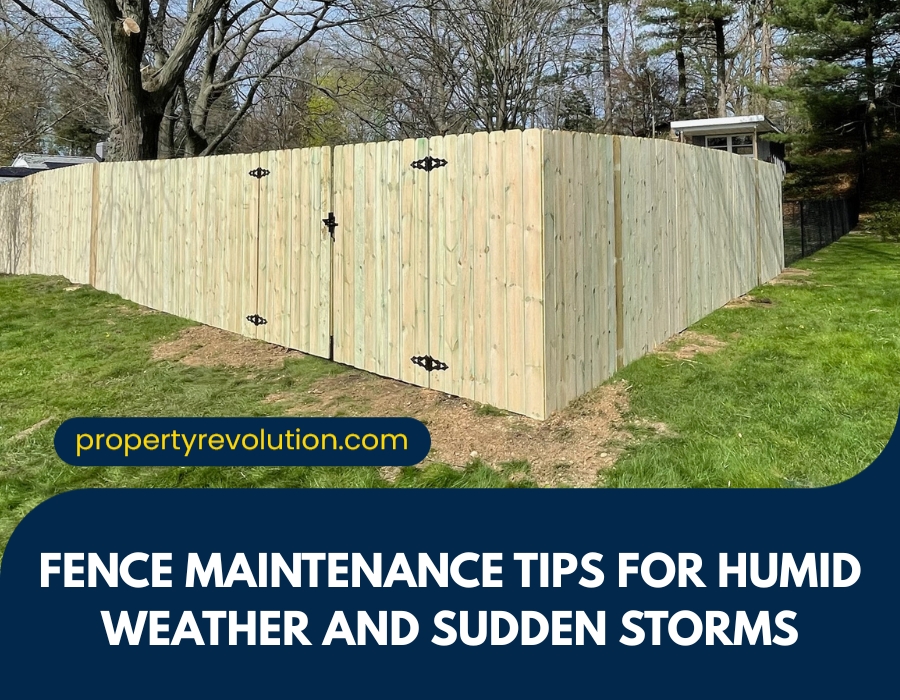
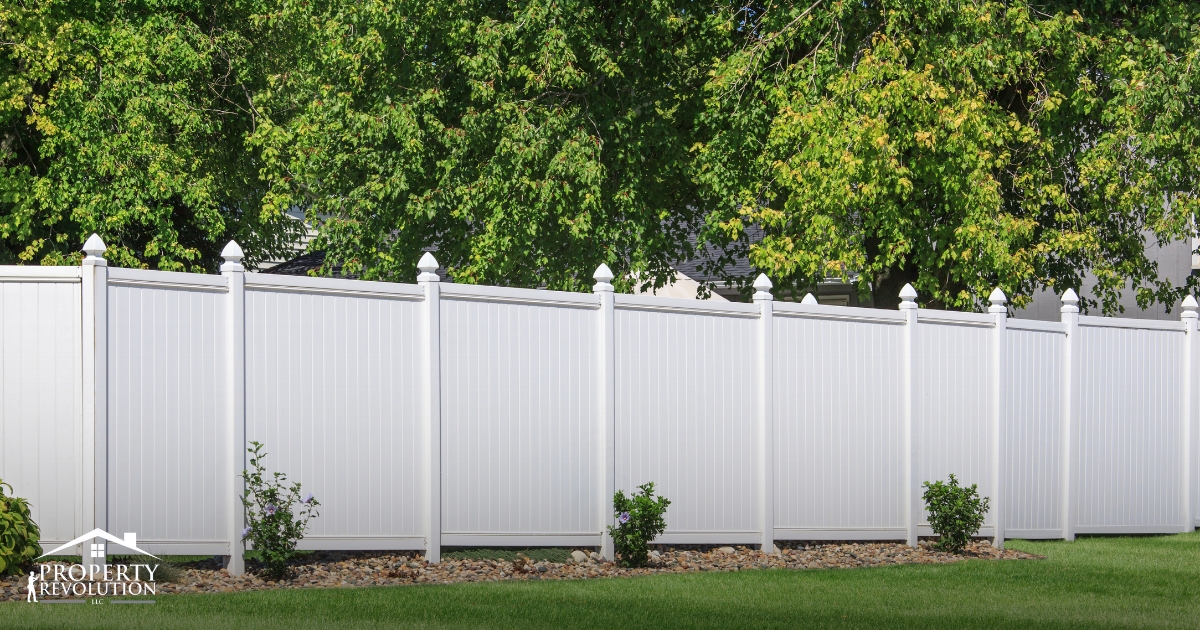
- Privacy – Tall, solid fences like wood or vinyl panels help block the view from neighbors and passersby.
- Security – Metal fences such as wrought iron or aluminum provide durability and protection.
- Curb Appeal – Decorative fences like picket or ornamental metal fences enhance the beauty of your property.
- Pet and Child Safety – Chain-link or wood fences keep pets and children safely enclosed.
- Noise Reduction – Solid fences with soundproofing materials help minimize external noise.
2. Consider Different Fencing Materials
Each fencing material has unique benefits and drawbacks. Some of the most popular choices include:
- Wood – Offers a classic look and great privacy, but requires regular maintenance.
- Vinyl – Low-maintenance and durable, available in a variety of styles and colors.
- Metal (Aluminum, Steel, or Wrought Iron) – Provides security and durability but may require occasional upkeep.
- Chain-Link – Budget-friendly and functional but lacks privacy.
- Composite – Made from recycled materials, offering the look of wood with less maintenance.
- Bamboo – Eco-friendly and stylish, suitable for warm climates.
3. Assess Your Budget
Fencing costs vary based on materials, height, and installation expenses. Consider:
- Initial installation cost – Some fences, like wrought iron, are more expensive upfront.
- Long-term maintenance – Wood fences require staining and sealing, while vinyl needs minimal upkeep.
- Lifespan – Investing in durable materials can save money over time.
4. Check Local Regulations and HOA Rules
Before installation, verify zoning laws and homeowners’ association (HOA) guidelines. Some areas have restrictions on:
- Fence height
- Approved materials
- Property line setbacks
- Permits required for installation
5. Think About Climate and Weather Conditions
Your local climate plays a significant role in fence durability:
- Humid and rainy climates – Choose rot-resistant materials like vinyl, composite, or treated wood.
- Windy areas – Opt for open-design fences like aluminum or spaced wood slats.
- Cold climates – Ensure fence posts are installed below the frost line to prevent shifting.
6. Consider Maintenance Requirements
Different fences require varying levels of upkeep. If you prefer low-maintenance options, consider:
- Vinyl and aluminum – Require occasional cleaning with soap and water.
- Wood – Needs periodic staining or sealing to prevent rotting.
- Metal – May require rust prevention treatments over time.
7. Plan for Installation and Longevity
Decide whether to hire a professional or install the fence yourself. A professional ensures proper installation, especially for:
- Large properties requiring extensive fencing.
- Heavy materials like wrought iron.
- Uneven landscapes needing customized installation techniques.
Choosing the right fence depends on your specific needs, budget, and local conditions. By considering privacy, security, aesthetics, and maintenance, you can find a fence that enhances your property while providing long-term value. If you’re unsure, consulting with a fencing expert can help you make the best decision for your home.