How Siding Impacts Your Home’s Energy Efficiency
When it comes to improving your home’s energy efficiency, most people think about insulation, windows, or HVAC systems. But did you know that your home’s siding plays a significant role in keeping energy costs down and maintaining indoor comfort? The right siding material and proper installation can make a big difference in how well your home retains heat in the winter and stays cool in the summer. Let’s explore how siding impacts your home’s energy efficiency and what you should consider when upgrading or replacing it.
How Does Siding Affect Energy Efficiency?
Siding serves as the outermost layer of protection for your home. It helps regulate indoor temperatures by acting as a barrier against extreme weather conditions, moisture, and air leaks. Here’s how siding impacts energy efficiency:
- Insulation Properties: Some siding materials have built-in insulation, reducing heat transfer and keeping your home comfortable.
- Air Leakage Prevention: Well-installed siding minimizes gaps and cracks where air can escape, improving your home’s thermal envelope.
- Solar Reflection: Lighter-colored and energy-efficient siding can reflect sunlight, reducing heat absorption and lowering cooling costs.
- Moisture Protection: Prevents mold growth and structural damage that can compromise insulation performance.
Best Energy-Efficient Siding Materials
Not all siding materials offer the same energy benefits. If energy efficiency is your priority, consider these top options:
1. Insulated Vinyl Siding
- Features a layer of foam insulation attached to the back of the panels.
- Improves your home’s R-value (thermal resistance), reducing heating and cooling costs.
- Low-maintenance and available in various styles and colors.
2. Fiber Cement Siding
- Made from a mix of cement, sand, and cellulose fibers.
- More energy-efficient than traditional wood siding.
- Extremely durable, resisting warping, rotting, and pests.
3. Wood Siding
- Naturally insulating, but requires proper sealing to prevent air leaks.
- Provides a classic and warm aesthetic but needs regular maintenance.
- Can be combined with an additional insulation layer for better performance.
4. Metal Siding (Steel or Aluminum)
- Highly reflective, reducing heat absorption in hot climates.
- Often used in modern home designs and commercial buildings.
- Requires proper insulation backing to maximize energy efficiency.
5. Brick and Stone Veneer Siding
- Thick and dense materials help regulate indoor temperatures.
- Offers excellent durability with minimal maintenance.
- Works best when combined with an insulated backing to prevent heat loss.
Signs Your Siding is Hurting Energy Efficiency
If your home has outdated or damaged siding, it could be causing energy loss. Watch out for these signs:
- Higher Energy Bills: A sudden increase in heating or cooling costs may indicate poor insulation.
- Drafts and Air Leaks: If you feel cold drafts near walls, your siding might not be sealing properly.
- Visible Damage or Warping: Cracks, holes, or warped panels reduce siding effectiveness.
- Mold or Moisture Issues: Trapped moisture behind siding can lead to insulation problems and air leaks.
Choosing the Right Siding for Your Climate
Your location plays a big role in selecting the most energy-efficient siding. Here’s what to consider:
- Cold Climates: Insulated vinyl or fiber cement siding can help retain heat.
- Hot Climates: Light-colored metal or fiber cement siding reflects heat and keeps interiors cool.
- Humid Regions: Moisture-resistant siding like fiber cement or brick prevents mold growth.
- Storm-Prone Areas: Durable materials like fiber cement and metal withstand extreme weather.
Enhancing Energy Efficiency with Proper Installation
Even the best siding won’t perform well if it’s not installed correctly. Here’s what to ensure during installation:
- Sealing and Caulking: Prevents air leaks and moisture infiltration.
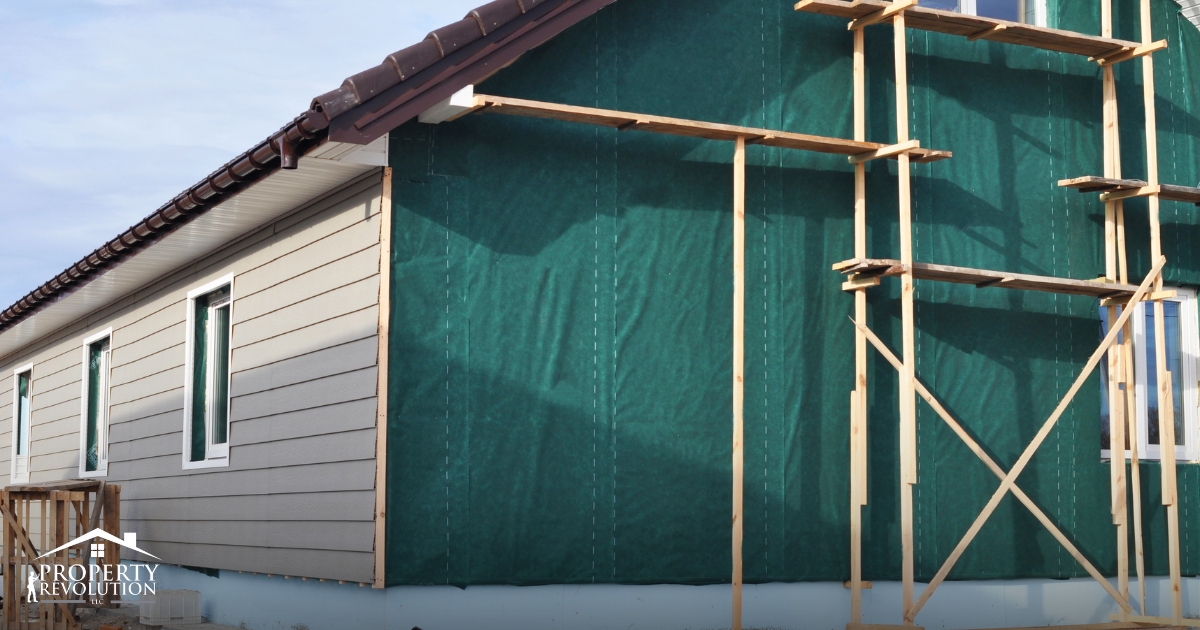
- Adding a House Wrap or Insulation Board: Enhances thermal resistance and reduces heat loss.
- Proper Ventilation: Prevents trapped moisture that can compromise insulation.
- Hiring a Professional: Experienced installers can ensure a tight, energy-efficient fit.
Siding does more than just improve your home’s appearance—it plays a crucial role in energy efficiency. Choosing the right material and ensuring proper installation can lower energy bills, improve indoor comfort, and protect your home from the elements. If you’re considering a siding upgrade, now’s the time to invest in energy-efficient options that will pay off in the long run. Need expert advice? Contact a siding professional today to explore your best options!