Does the air in your home feel stuffy, or are your energy bills climbing? Your roof might be too tight. Proper attic ventilation is a critical part of a healthy roof system, but it’s often overlooked. At Property Revolution Roofing and Decks, we help Kalamazoo homeowners identify and solve these hidden issues. We treat your home like our own, ensuring your roof protects you and helps you enjoy your life comfortably and safely.
Understanding Attic Ventilation in Kalamazoo, MI
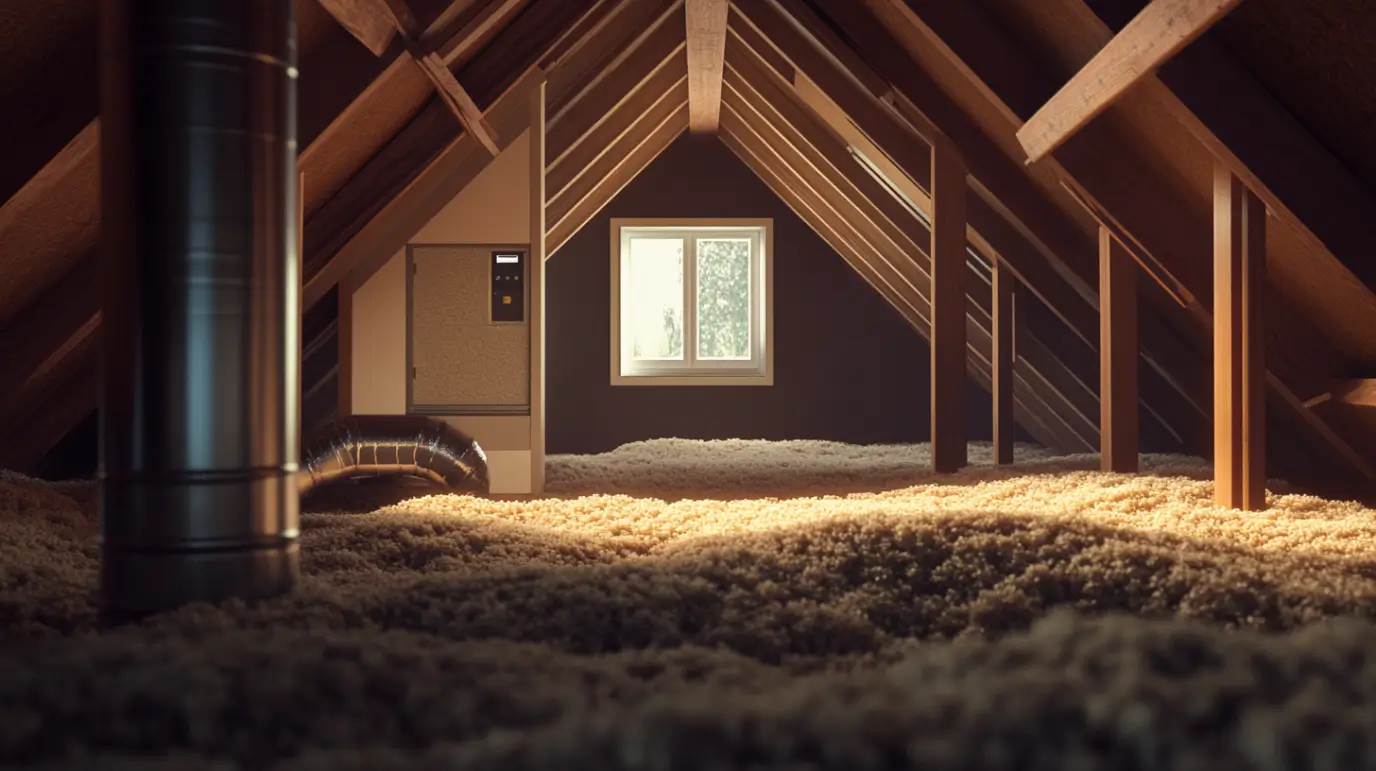
An attic ventilation system is designed to create continuous airflow through your attic space. This process pushes out stale, hot air and pulls in fresh outdoor air. A good roof ventilation system helps regulate temperature and control moisture year-round, which is crucial for maintaining good indoor air quality.
In Kalamazoo, MI, our distinct seasons make attic ventilation even more important. Hot summers can trap extreme heat, while cold, snowy winters can lead to moisture issues. A balanced ventilation system protects your home from the specific challenges our Michigan climate presents, preventing damage before it starts.
Contact Us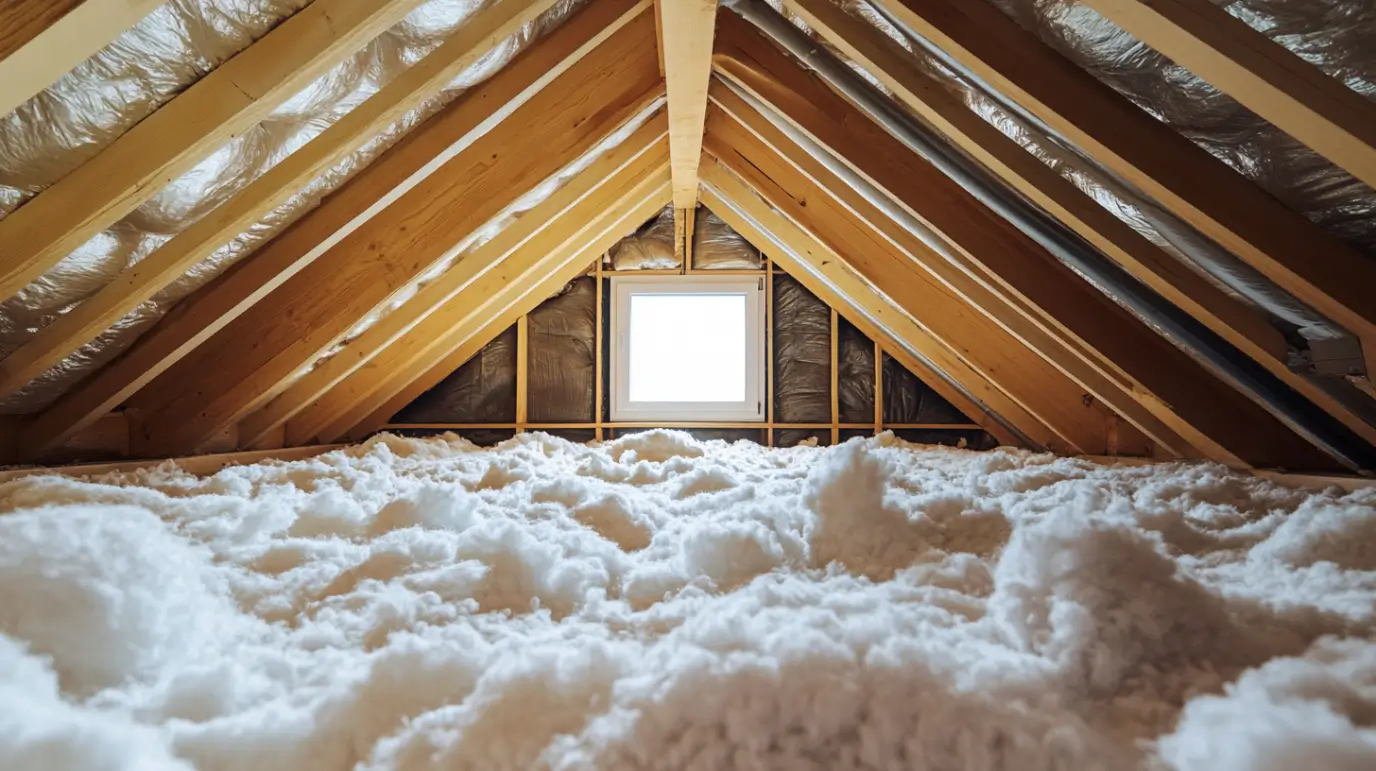
Why Proper Attic Ventilation Matters
Proper attic ventilation plays a crucial role in maintaining your home’s structural integrity. It regulates indoor temperatures and prevents excessive heat buildup, which can lead to higher energy bills and increased stress on your HVAC systems. Efficient airflow mitigates moisture buildup, reducing the risk of mold growth and water damage. In colder months, balanced ventilation systems help prevent ice dams and wood rot, ensuring the longevity of roofing materials. Ultimately, good ventilation enhances indoor air quality, contributing to a healthier living environment.
How Roof Systems Can Become Too Tight
A roof system often becomes too tight due to insufficient intake and exhaust ventilation, causing poor air circulation. When soffit vents, gable vents, or ridge vents are obstructed or improperly installed, warm air becomes trapped, leading to excessive heat buildup in the attic. This trapped heat can accelerate the deterioration of roofing materials and compromise the home’s structure. Additionally, inadequate ventilation creates conditions for moisture accumulation, further diminishing indoor air quality and contributing to costly repairs over time.

Common Symptoms of a Too-Tight Attic Ventilation System
When your attic ventilation system can’t breathe, your home will send out warning signs. These symptoms of poor ventilation can range from subtle changes in comfort to visible damage on your roof. Recognizing these clues early is the key to preventing more serious and expensive problems down the road.
Some of the most common indicators include fluctuating attic temperatures, moisture issues, and even strange odors. Paying attention to these signs can help you understand what’s happening above your head. Let’s look at what these symptoms mean for your home.
Overheating in the Attic
Temperature fluctuations in the attic can indicate significant ventilation problems. A poorly ventilated attic traps excessive heat, creating a cycle of overheating that compromises the structural integrity of your home. This heat buildup not only affects energy efficiency but can lead to higher energy costs as your air conditioning struggles to maintain comfortable indoor temperatures. Persistent overheating may also result in damage to roofing materials, such as warped wood or degraded shingles, ultimately leading to costly repairs down the line.
Moisture Buildup and Condensation Issues
Humidity can quickly become a problem in a poorly ventilated attic, leading to severe moisture buildup and condensation issues. This excess moisture can compromise roofing materials, promote mold growth, and negatively affect indoor air quality. Signs such as water stains, musty odors, or even visible mold can signal the need for improved airflow. Addressing these ventilation issues is crucial to maintaining structural integrity, preventing deterioration, and ultimately ensuring a healthy living environment. Ignoring the symptoms could result in costly repairs down the line.
Mold and Musty Odors in Living Spaces
A musty odor pervading your living spaces often signals underlying issues with attic ventilation. Mold and mildew thrive in poorly ventilated areas, where warm, humid air collects and creates an ideal environment for their growth. This accumulation of excessive moisture not only compromises indoor air quality but can also lead to costly repairs if left unchecked. Being vigilant to these warning signs ensures the structural integrity of your home and maintains a healthy living environment for your family.
Roofing and Structural Problems
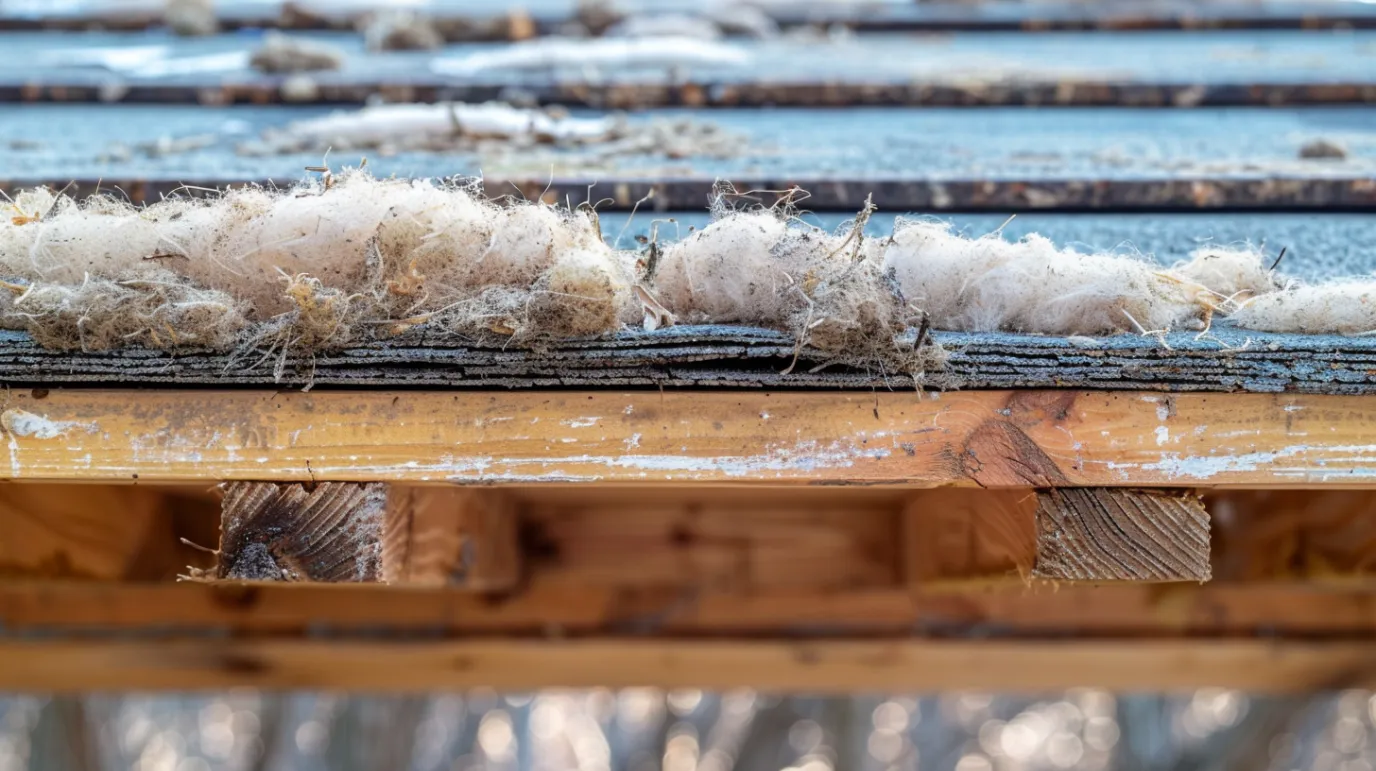
Insufficient airflow can lead to numerous roofing and structural issues that compromise the integrity of your home. Over time, poorly ventilated attics can cause excessive heat buildup, resulting in damaged shingles and a decline in roofing materials’ lifespan. Moisture buildup leads to wood rot and can create conditions conducive to mildew growth, manifesting as musty odors or visible damage. Additionally, persistent water stains may signal potential leaks caused by the imbalance in the ventilation system, necessitating immediate attention to prevent further damage.
Damaged Shingles and Peeling Paint
Signs of a poorly ventilated attic can manifest as damaged shingles, peeling paint, and deteriorating materials. Excess heat buildup promotes structural damage and weakens roofing materials, compromising their longevity and integrity. Over time, inadequate airflow leads to moisture issues, causing mildew growth and rotting wood. Increased humidity levels can warp shingles and degrade the roof deck, leading to costly repairs. Vigilant homeowners should monitor for these warning signs to safeguard their home’s structure and enhance energy efficiency.
Ice Dams and Warped Wood
Signs of poor attic ventilation can lead to significant issues, including ice dams forming in winter months. Accumulated heat can cause snow on the roof to melt, only for the water to refreeze at the eaves, resulting in damage to the roofing materials. Additionally, excessive moisture buildup can lead to rusting metal components and warping of wood, compromising the structural integrity of your home. Identifying these ventilation problems early helps prevent costly repairs and prolongs the life of your roof.
Troubleshooting & Improving Attic Ventilation
If you recognize any of these symptoms, it’s time to troubleshoot your attic’s ventilation system. The goal is to restore proper airflow and create a balanced system where air can move freely. This involves inspecting for blockages and ensuring you have both intake and exhaust vents working together.
Fixing these issues is crucial for your home’s long-term health. As a GAF Master Elite Contractor, Property Revolution Roofing and Decks has the expertise to diagnose and solve these problems. We can help you create a ventilation plan that protects your home for years to come.
Identifying Blocked Vents and Poor Airflow
Inspecting your attic for blocked vents and poor airflow is crucial for maintaining a balanced ventilation system. Begin by checking the soffit vents and ridge vents for obstructions caused by debris or insulation. Look for signs of moisture buildup and mold growth, which indicate restricted air circulation. Observing higher energy bills or unusual temperature fluctuations may signal inadequate ventilation. Ensure that exhaust ventilation is functioning properly, allowing warm air to escape and preventing excessive heat and humidity from negatively impacting indoor air quality.
Steps to Fix a Too-Tight Roof
To fix an overly tight ventilation system, you need a balanced approach. At Property Revolution Roofing and Decks, we start with a thorough inspection to pinpoint your specific issue and tailor our solution. We may suggest adding soffit vents for intake and ridge vents for exhaust to improve airflow. We use trusted brands like GAF and CertainTeed for seamless, high-quality installation, ensuring long-lasting results. Our process includes:
- A complete evaluation of your current system
- Balanced intake and exhaust vent installation
- High-quality materials from brands like GAF and MuleHide
- Proper insulation placement to maintain airflow
Get in Touch
Proper attic ventilation is essential for Kalamazoo homeowners, affecting both comfort and your home’s lifespan. Issues like temperature swings, moisture, and odors suggest your roof may be too tight, risking further problems. Proactive solutions create a healthier indoor environment and protect your property. Ready to improve your home’s efficiency? Contact Property Revolution Roofing and Decks for customized quotes. Your vision guides our process—we’re here to help you achieve a more comfortable home.
Frequently Asked Questions
Should you be able to see daylight in your attic?
Yes, seeing small slivers of daylight through your soffit vents or ridge vents is a good sign of proper airflow. However, you should not see light coming through holes in your roof deck. This indicates damage, not a functional ventilation system.
What are the signs of poor attic ventilation?
The most common signs of poor ventilation include trapped hot air in the summer, moisture buildup, and mold growth. You might also notice higher energy bills, ice dams in winter, and deteriorating roofing materials like curling shingles.