
In Kentwood, MI, the spot where your chimney meets your roof is a common place for leaks to begin. This intersection can pose a real challenge, allowing water to get inside your home. Ignoring signs of water infiltration can lead to serious water damage to your roofing system. At Property Revolution Roofing and Decks, we believe in treating your home like our own, which means protecting it from these hidden threats and ensuring your exterior home improvement dreams are built right.
Why Leaks Occur Where Chimney and Masonry Meet
Leaks often occur where the chimney and roof meet because they’re made of different materials that expand and contract at different rates, stressing the seals. Over time, this movement creates gaps, letting water in—especially in Kentwood’s harsh weather. Keeping these areas sealed is crucial for your home’s integrity. Faulty flashing or deteriorating mortar can fail, causing leaks that threaten your structure. Knowing these common causes helps you protect your property. Let’s examine the typical sources of these issues.
Contact Us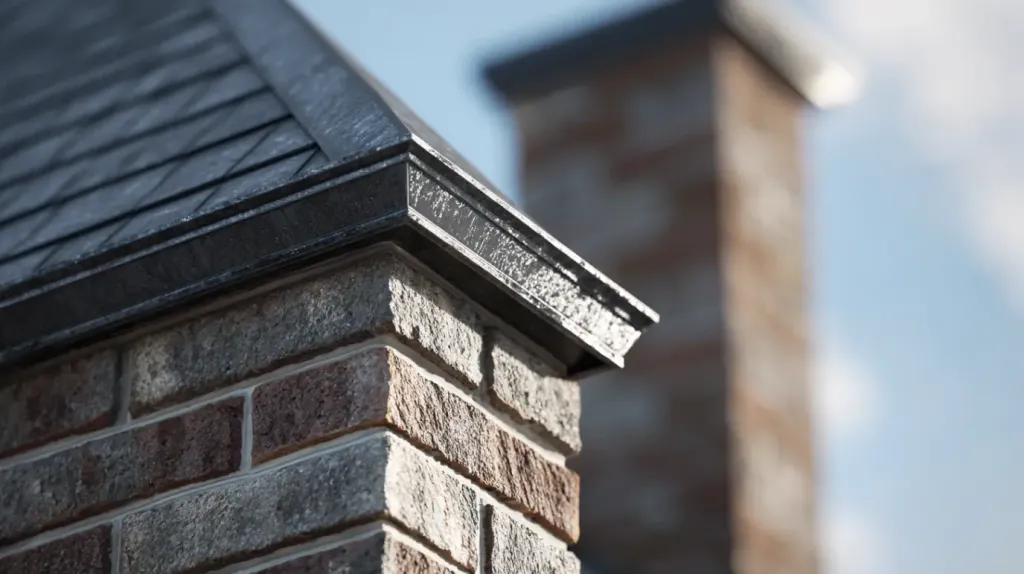
Typical Leak Sources at the Roof-Chimney Junction
Leaks at the junction of chimney masonry and the roof are often caused by compromised flashing, faulty installation, and aging materials. Deteriorated mortar joints or chimney crowns also allow water to penetrate. Missing or damaged waterproof barriers, like counter or step flashing, increase leak risks. Regular inspections and maintenance help identify issues early, protecting your chimney and roof from water damage and ensuring lasting integrity.
How Kentwood’s Weather Impacts These Vulnerable Intersections
Kentwood’s frequent freeze-thaw cycles are tough on masonry and flashing. Water seeps into cracks, freezes, expands, and worsens damage—raising the risk of leaks and structural issues. Heavy rain and wind add stress by driving water into small gaps, especially around chimney flashing, which often fails in severe weather. Without strong materials and regular inspections, these problems can escalate quickly. Preventative care is essential; inspections catch issues early and protect your home. As a local, family-owned business, we understand Kentwood’s climate challenges and are here to keep your home worry-free.

Recognizing Signs of Chimney
Spotting a chimney leak early is essential to prevent costly water damage that can affect your home. Knowing what to look for lets you catch potential issues before they escalate into major repairs that require significant investment. Waiting too long can turn a simple fix into an expensive project, so being proactive in maintenance is crucial. Both visible and hidden signs matter—recognizing them can save you considerable trouble and expense. Here’s what to watch for on your roof and inside your home.
Visible Symptoms on Your Roof and Chimney
Spotting visible symptoms on your roof and chimney is essential for protecting your home’s structure. Water stains around the chimney may signal leaks from faulty flashing or poor installation and should never be ignored—they can lead to serious water damage. Mold growth is another warning sign, indicating moisture problems that can affect your health. Cracked mortar joints or spalling bricks suggest underlying issues with your roofing system. Regular inspections help catch these problems early, preventing expensive repairs. Promptly addressing these signs enhances your chimney’s waterproof seal and gives you peace of mind.
Hidden Indicators That Suggest Water Intrusion
Unnoticed signs often indicate water intrusion around the chimney. Mold growth near the chimney is a major warning that moisture is trapped, pointing to possible leaks at the base or top. Stains on nearby walls and ceilings suggest water damage from roofing or flashing issues. Inspect the chimney mortar and flashing for cracks or gaps that allow water in. A corroded or aging chimney liner may also cause leaks, risking structural damage. Identifying these hidden signs early improves home safety and reduces costly repairs.
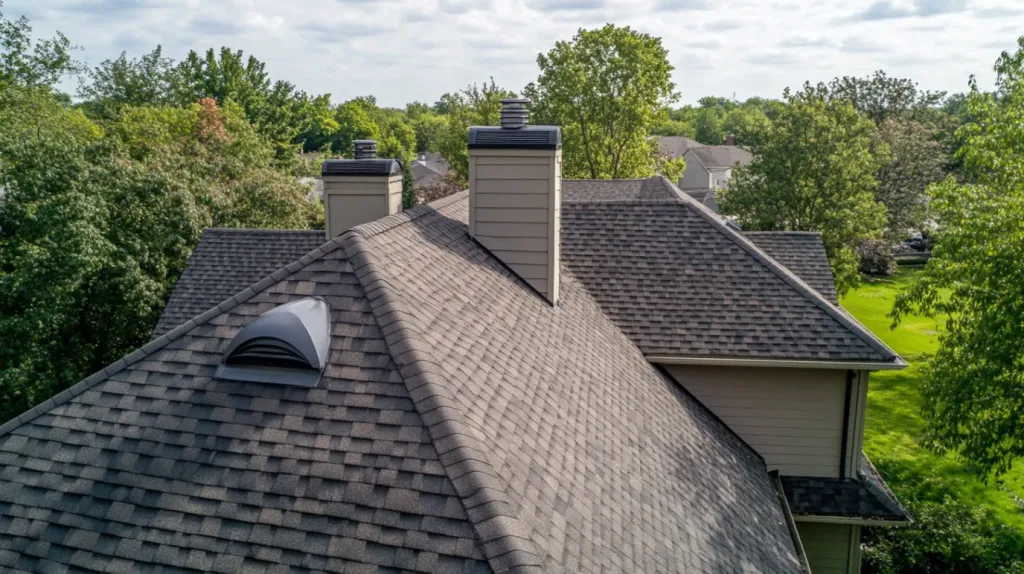
Chimney Flashing and Masonry Seals
Effective chimney flashing is your home’s main defense against leaks where the roof meets the chimney. It forms a waterproof barrier, directing water away from this vulnerable area. Proper flashing uses components like base, step, and counter flashing to create a tight seal. Without quality metal flashing, your home is at risk for water damage. While sealant on masonry adds protection, nothing replaces durable new flashing. This system is essential for preventing water intrusion and safeguarding your home.
How Proper Flashing Prevents Water Entry
A properly installed chimney flashing system acts as a crucial waterproof barrier where the chimney meets the roof, preventing water infiltration. Quality flashing uses durable materials and techniques like step and counter flashing to seal gaps and direct water away from the chimney base, greatly reducing leak risks during heavy rain. Regular inspections are important to spot issues such as deteriorated flashing or mortar joints. Prompt repairs help prevent major water damage, extend your roof’s lifespan, and protect your home’s structure. Maintaining your chimney flashing also saves you from expensive future repairs.
Upgrading to Quality Materials
Using high-quality materials like GAF and MuleHide is crucial for extending the life of your chimney and masonry. These durable products create a strong waterproof barrier, minimizing water intrusion and preventing costly damage. Superior chimney flashing and mortar joints made from these materials help avoid issues caused by poor installation. Choosing quality materials improves your chimney’s structural integrity and enhances home safety. With a reliable waterproof seal, your roof-chimney junction is better protected against severe weather. Regular inspections and timely upgrades are essential for maintaining these areas.

Professional Solutions
If you suspect a chimney leak, don’t hesitate to call our experienced team for assistance. We thoroughly inspect your chimney and roof to find the root cause of the leak, whether it’s faulty flashing or a more complex issue that requires detailed attention. Our comprehensive process gives you peace of mind. We go beyond quick fixes to provide lasting solutions, from simple roof repairs to full masonry restorations. With every job—big or small—we deliver on our promise: “Your vision, our process, dreams built right.” Our commitment ensures that your home remains safe and dry for years to come.
Chimney and Masonry Repairs for Waterproofing
To waterproof a chimney, we restore the masonry’s integrity through repairs like tuckpointing—replacing old mortar with fresh to prevent water damage. If needed, we rebuild damaged sections. We also repair the chimney crown and cap to block water entry from above and apply a professional-grade sealant over the bricks for added protection. This comprehensive approach preserves your chimney’s structure and prevents leaks. As a BBB A+ business, we deliver quality work so you can enjoy peace of mind where curb appeal meets reliability.
Routine Inspection and Maintenance Tips for Kentwood, MI Homes
Regular roof maintenance is the best way to prevent serious issues. Monitor your chimney year-round to catch problems early, and schedule annual professional roof inspections. After severe weather, visually check your roof from the ground, focusing on the chimney and nearby areas for cracks or damaged flashing. This proactive approach helps avoid costly repairs and water damage. To maintain your chimney, have it inspected yearly, clear debris from the base, and look for cracked bricks or mortar from the ground.
Get in Touch
Ensuring a leak-free intersection between your chimney and masonry is vital for protecting your home in Kentwood, MI. By identifying potential leaks and considering local weather, you can take proactive steps to safeguard your property. Quality chimney flashing and materials from trusted brands like GAF and MuleHide enhance waterproofing. For expert inspection or repairs, Property Revolution Roofing and Decks is ready to help. Contact us today for a consultation!
Frequently Asked Questions
How do I know if my chimney flashing needs to be replaced?
Look for visible signs of damage like rust, corrosion, or gaps between the metal and the chimney. If you see water stains on your ceiling or walls near the fireplace, it’s a strong indicator that your chimney flashing has failed and is allowing water penetration.
How to fill a gap between a chimney and a house?
Small gaps can be sealed with a high-quality waterproof sealant or roofing cement. For larger gaps, a full chimney flashing repair, including replacing the base flashing, is often necessary to create a durable, watertight seal and prevent future leaks.
Read our blog: Kentwood, MI Ridge Cap Failures: Symptoms, Causes, and Fixes That Hold Up