
Your roof is your home’s primary shield against the elements, but its strength lies in the details. One of the most vital yet overlooked components is the roof flashing. Proper flashing is especially important during roof repair in Portage, where it helps prevent water intrusion and protects the long-term health of your roofing system. At Property Revolution Roofing and Decks, we believe in building dreams right, and that starts with a properly sealed, protected home.
Understanding Roof Flashing for Portage, MI Homes
Roof flashing plays a crucial role in maintaining the structural integrity of Portage homes, acting as a barrier against water intrusion. Ensuring the proper installation of various types of flashing—such as step, counter, and kickout flashing—mitigates potential issues linked to water damage, like mold growth and wood rot. Familiarity with local building codes and the international residential code guarantees longevity and compliance, providing homeowners peace of mind. Regular maintenance and inspections can prevent costly repairs associated with improper installation or overlooked vulnerabilities.
The Purpose and Importance of Roof Flashing
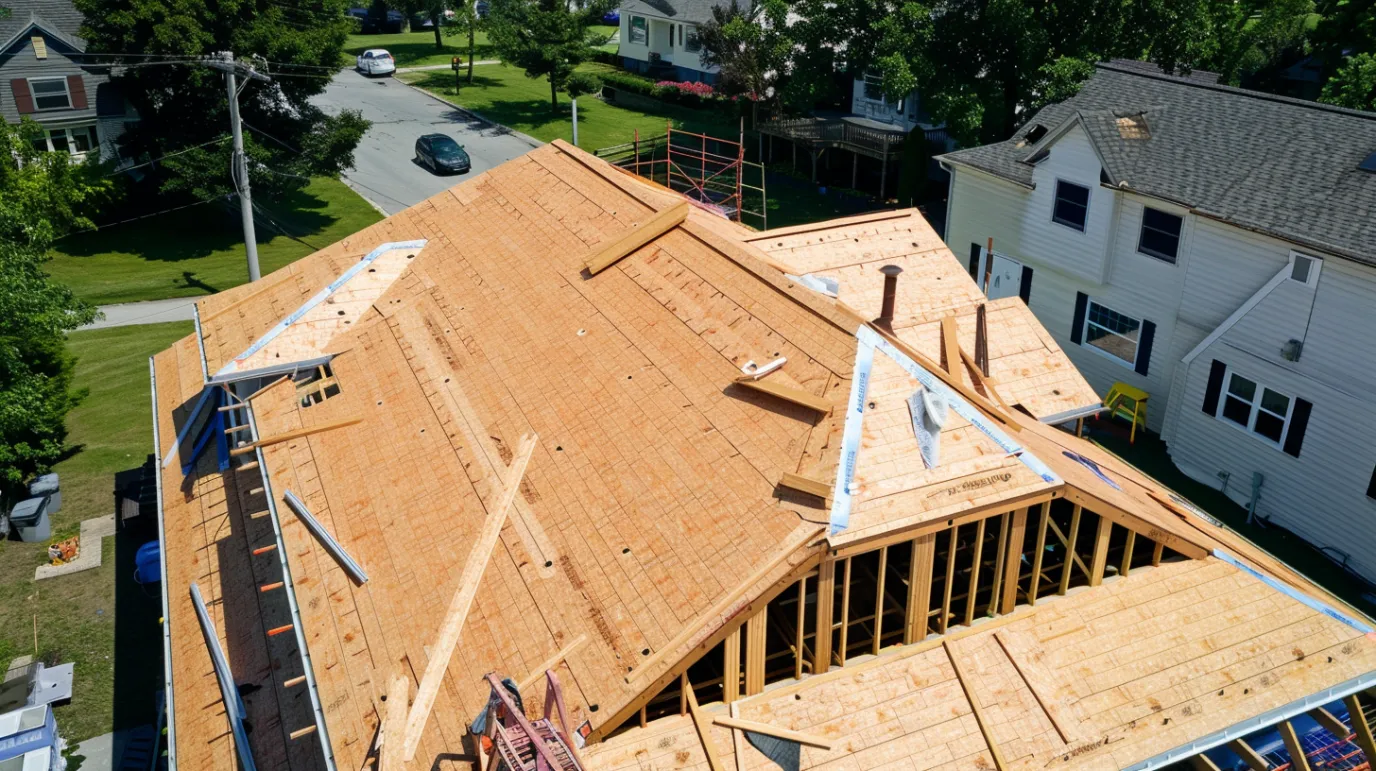
Proper installation of roof flashing is crucial for protecting homes from water intrusion, particularly at vulnerable areas like wall intersections and roof penetrations. By acting as a barrier, flashing prevents water from infiltrating the roofing system, thereby safeguarding structural integrity and minimizing the risk of mold growth or wood rot. Understanding the specific purpose of types of flashing, such as step flashing or counterflashing, is essential for ensuring a watertight seal that upholds local building codes and prolongs the lifespan of your roof.
Protecting Michigan Homes from Water Intrusion
Water intrusion is a major threat to Michigan homes. Once moisture gets past your shingles, it can soak the roof deck and structure, causing wood rot, mold, and costly repairs. Flashing is your first line of defense. Signs you need new flashing include rust, cracks, or pieces pulling away from the roof or wall. Water stains on ceilings or walls are also red flags.
As a BBB A+ rated business, we know prevention is far cheaper than repairs. Regularly check your flashing to catch small issues early and protect your home for years to come.
Roof Flashing and Local Weather Conditions
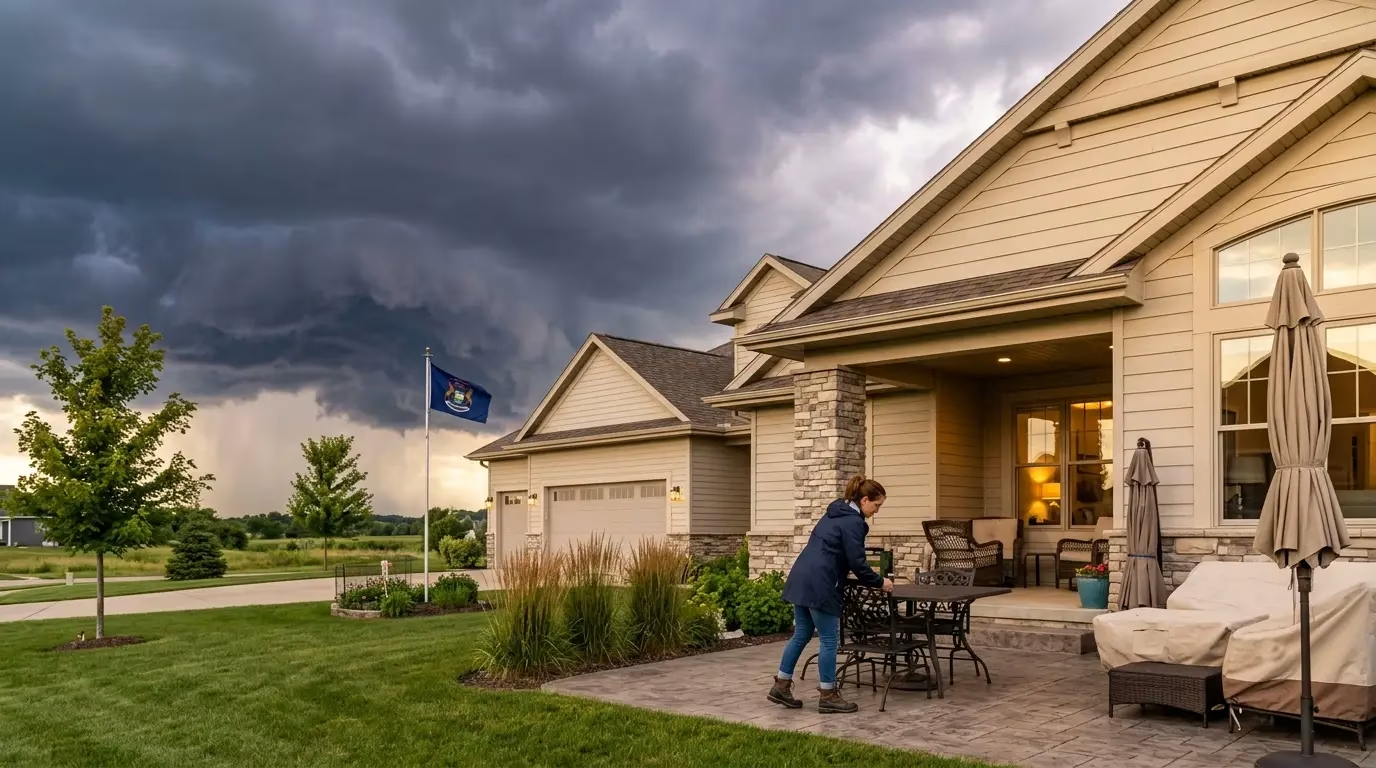
Understanding local weather conditions is crucial for effective roof flashing installation in Portage. The harsh winters and unpredictable storms can exacerbate risks of water infiltration and structural damage. Proper installation of specific types of flashing, such as step flashing and counterflashing, can mitigate these threats, ensuring a watertight seal against heavy rain and snowfall. Employing quality materials tailored to withstand these elements not only protects the roofing system but also enhances the longevity of the home, aligning with local building codes for peace of mind.

Types of Roof Flashing Used in Portage
Not all roof flashing is the same; different roof areas need specific types for maximum protection. Knowing these differences highlights the importance of professional installation. From wall intersections to chimneys, each spot requires a unique solution to stay watertight.
As a GAF Master Elite Contractor, we specialize in all types of roof flashing. Whether you need a full replacement or a targeted repair, we use the right metal flashing to ensure a perfect seal. Here are three common types: step, counter, and kickout flashing.
Step Flashing Essentials
Step flashing serves a crucial function in maintaining a watertight seal where roofing meets vertical surfaces. Each piece of step flashing is positioned to direct water away from vulnerable areas, enhancing structural integrity. The first piece installed should overlap the adjoining shingle to prevent water intrusion, adhering to local building codes. Utilizing quality flashing material ensures durability and resilience against storm damage, reducing the risk of costly repairs down the line. Regular inspections can help identify signs of damage before they escalate.
Counterflashing Basics
Counterflashing serves a critical role in ensuring water does not infiltrate vulnerable areas of the roofing system. Situated above step flashing, this type of flashing directs water away from wall intersections, providing a watertight seal that prevents costly damage and preserves structural integrity. Typically made of durable metal flashing, proper installation is essential. Adhering to local building codes enhances not just the performance but also the longevity of the roofing system, mitigating risks of mold growth and wood rot over time.
Kickout Flashing Explained
Kickout flashing serves a vital role in directing water away from vulnerable roof junctions, particularly where the roof slopes meet vertical walls. This specific type of flashing creates a watertight seal, preventing water intrusion that can lead to structural damage and mold growth. Proper installation is crucial for maintaining the integrity of roofing systems and adhering to local building codes. Utilizing quality materials ensures longevity and protects against expensive repairs from potential issues like water infiltration and wood rot.
Key Differences Between Step Flashing, Counterflashing, and Kickout Flashing
While step, counter, and kickout flashing all manage water, they are not interchangeable. Each type of flashing has a distinct role and is designed for a specific location on your roof. Understanding these differences highlights why a professional roof installation is so important for a leak-free result.
As an EPA certified lead safe renovator, our team at Property Revolution Roofing and Decks pays close attention to these details. Unlike continuous flashing, which uses a single piece, this system of specialized flashings provides layered protection. Let’s break down their unique jobs and placements.
Unique Roles and Placement on the Roof
Effective placement of various types of flashing is crucial for safeguarding your home’s roofing system. Step flashing is strategically installed at wall intersections, ensuring a watertight seal that directs water away from vulnerable areas. Counter flashing plays a key role by overlapping the step flashing, enhancing protection against water intrusion. Kickout flashing is essential at roof slopes, redirecting runoff and preventing water from accumulating at wall bases. Each type of flashing serves a specific purpose, ultimately working together to maintain structural integrity and prevent costly repairs.
How Each Flashing Type Defends Against Leaks
Each type of flashing plays a crucial role in preventing leaks and safeguarding the home’s structural integrity. Step flashing, positioned at wall intersections, forms a watertight seal that channels water away from vulnerable areas. Counterflashing overlaps step flashing, further enhancing protection against water intrusion by directing runoff efficiently. Kickout flashing directs water away from the roof edges, preventing it from accumulating near wall surfaces, mitigating potential damage. Together, these flashing types create a robust defense, ensuring the roofing system remains intact and free from costly repairs.
Roof Flashing Materials Suited for Portage Homes
The longevity of your roof flashing depends heavily on the flashing material used. For Portage homes, it is important to choose materials that can withstand our diverse seasons, from humid summers to icy winters. Using quality materials is a core part of our mission: where curb appeal meets quality.
Whether you have traditional shingles or metal roofing, the right flashing ensures decades of reliable performance. As certified installers for GAF and Mule-Hide, we only use durable, proven materials designed to protect your home. Let’s review some common options and why material choice matters.
Common Material Options and Their Benefits
A variety of materials can serve as effective roof flashing, each bringing unique benefits to Portage homes. Copper flashing, though often more expensive, offers longevity and corrosion resistance. Aluminum flashing, lightweight and cost-effective, is ideal for less critical areas. For environmental durability, galvanized steel provides a robust option, resisting rust while maintaining structural integrity. Employing these quality materials ensures a watertight seal at vulnerable areas, helping to prevent water infiltration and prolonging the lifespan of the roofing system.
Why Quality Materials Matter for Longevity
Utilizing high-quality materials in roof flashing is crucial for ensuring the long-term durability of your roofing system. Premium flashing materials, such as metal or durable vinyl, create a watertight seal that effectively combats water intrusion and prevents structural damage. Quality materials withstand harsh weather conditions and adhere to local building codes, reducing the likelihood of costly repairs. A well-installed flashing system not only enhances structural integrity but also provides peace of mind, ultimately safeguarding your home against potential issues like mold growth and water stains.

Installation Tips for Step Flashing, Counterflashing, and Kickout Flashing
Even the best materials will fail if not installed correctly. Proper installation is a precise process that requires skill and experience, especially around roof penetrations and complex intersections. This is where professional roofing services make all the difference, ensuring every detail is handled perfectly.
Your vision, our process, dreams built right. That is our promise at Property Revolution Roofing and Decks. We follow industry best practices to guarantee a watertight seal that protects your home for the long haul. Let’s explore the key steps and common pitfalls of flashing installation.
Preparation Steps Before Installing Flashing
Thorough preparation is essential for ensuring the effective installation of roof flashing. Begin by inspecting vulnerable areas such as wall intersections, roof penetrations, and valleys, looking for signs of existing damage or potential issues. Additionally, familiarize yourself with local building codes and regulations to ensure compliance. Gathering the right tools and quality flashing materials like metal or rubber can guarantee a watertight seal. Proper planning mitigates risks of improper installation, ultimately preserving the roof’s structural integrity and minimizing costly repairs.
Avoiding the Most Common Flashing Mistakes
Proper installation of roof flashing is vital for maintaining the structural integrity of your home. Skipping steps like ensuring a watertight seal or using inadequate flashing materials can lead to significant damage and costly repairs. Regular inspections can help identify potential issues before they escalate into major problems, such as water intrusion or mold growth. Understanding the types of flashing and their specific purposes will enhance the durability of your roofing system while providing peace of mind against the elements.
Professional vs DIY Installation Considerations
Evaluating whether to hire a professional or tackle roof flashing installation as a DIY project involves several key considerations. Professional roofing services typically provide expertise in adhering to local building codes and achieving a watertight seal, ensuring longevity and structural integrity. On the other hand, DIY approaches may lead to significant damage if proper installation techniques aren’t followed, potentially resulting in hefty repairs. It’s crucial to weigh the risks of improper installation against the benefits of customer satisfaction from expert workmanship.
Contact Us Today
Understanding and installing roof flashing is crucial for protecting your home in Portage, MI. Step, counter, and kickout flashing each prevent water intrusion and maintain your roof’s integrity. Using quality materials and proper installation helps shield your home from Michigan’s harsh weather. At Property Revolution Roofing and Decks, we treat your home like our own and focus on every detail. Contact us today for customized solutions and a free quote.
Frequently Asked Questions
Is kickout flashing required by code?
Yes, in many cases, kickout flashing is required by the International Residential Code and local building codes. It is considered a critical best practice to prevent concentrated water flow from causing significant structural damage to the wall, making it essential for any quality roof replacement.
What are common step flashing mistakes?
Common step flashing mistakes include improper installation, such as incorrect overlapping, pieces that are too short, and relying on sealant instead of mechanical fastening. These potential issues can lead to leaks near the roof edge and may eventually require a full roof replacement to correct.
Read our blog: Why Roof Fastener Failures Cause Shingle Lifting on Homes in Portage, MI