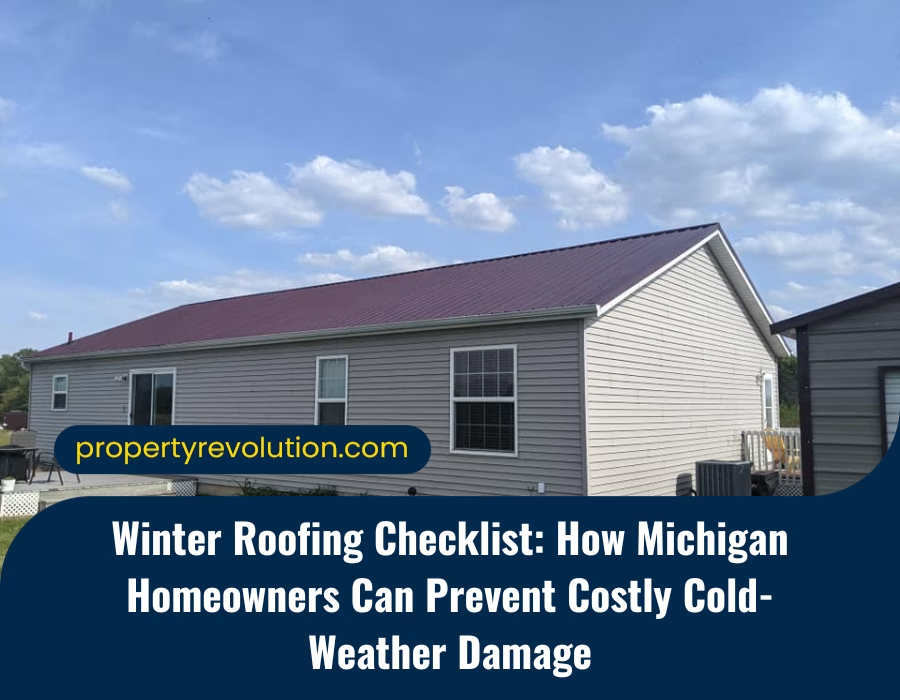
A well-maintained roof is essential year-round, but winter presents unique challenges that can quickly turn minor issues into expensive problems. Snow accumulation, ice formation, freezing temperatures, and strong winter winds all place added stress on roofing systems. Following a thorough winter roofing checklist helps homeowners prepare their roofs for harsh conditions and avoid unexpected damage during the coldest months of the year.
Many roofing problems that appear in winter actually begin long before the first snowfall. Small cracks, loose shingles, or clogged drainage systems can go unnoticed until freezing temperatures magnify the damage. This comprehensive winter roofing checklist is designed to help protect your home, extend the lifespan of your roof, and reduce the risk of emergency repairs when weather conditions are at their worst.
Why a Winter Roofing Checklist Is Essential
Winter weather exposes every weakness in a roofing system. When temperatures fluctuate between freezing and thawing, roofing materials expand and contract repeatedly. Over time, this movement weakens shingles, flashing, and seals. Heavy snow adds weight to the roof structure, while ice dams can force water beneath shingles and into the interior of your home.
A proactive winter roofing checklist allows homeowners to identify vulnerabilities early and address them before winter weather causes serious damage. Taking preventive steps now can save thousands of dollars in repair costs later and provide peace of mind throughout the season.
Inspect the Roof Surface Thoroughly
One of the most important steps in a winter roofing checklist is a complete inspection of the roof surface. Even small defects can worsen quickly once winter weather sets in.
During an inspection, look for cracked, curling, or blistered shingles, missing or loose shingles, areas where granules have worn away, and uneven or sagging sections of the roof. These issues may seem minor, but freezing temperatures can cause them to expand, allowing moisture to penetrate the roofing system. Addressing these problems early is a key part of any effective winter roofing checklist.
Repair or Replace Damaged Shingles
Shingles are your roof’s first line of defense against winter weather. Damaged shingles allow snowmelt and ice to reach the underlayment and roof deck, increasing the risk of leaks and structural damage.
A complete winter roofing checklist should include replacing missing shingles, repairing lifted or improperly sealed shingles, and addressing cracked or brittle shingles. Cold weather makes shingles more fragile, so existing damage can worsen rapidly if left untreated. Ensuring shingles are secure before winter arrives significantly reduces the likelihood of leaks.
Examine Roof Flashing and Sealants
Flashing protects vulnerable areas where the roof meets chimneys, vents, skylights, and walls. When flashing fails, water can bypass shingles entirely.
As part of your winter roofing checklist, inspect flashing for rust, cracks, or gaps. Check sealants around roof penetrations and repair or replace damaged flashing as needed. Properly sealed flashing plays a critical role in keeping moisture out during snow and ice events.
Clean and Secure Gutters and Downspouts
Gutters and downspouts are essential for directing water away from your roof and foundation. When gutters become clogged with leaves and debris, water can back up and freeze, leading to ice dams.
Your winter roofing checklist should include removing all debris from gutters, ensuring downspouts are clear and properly aligned, and securing loose or sagging gutter sections. Clean drainage systems allow melting snow to flow away from the roof, reducing the risk of ice-related damage.
Prevent Ice Dams Before They Form
Ice dams are one of the most damaging winter roofing problems. They form when heat escapes from the attic, melting snow on the roof. The water refreezes near the edges, creating a barrier that traps additional melting snow behind it.
A proper winter roofing checklist addresses ice dam prevention by sealing air leaks in the attic, ensuring consistent roof temperatures, and maintaining proper insulation and ventilation. Preventing ice dams protects shingles, underlayment, gutters, and interior ceilings from water damage.
Check Attic Insulation and Ventilation
Attic conditions have a direct impact on roof performance during winter. Poor insulation allows heat to escape, while inadequate ventilation traps moisture.
As part of your winter roofing checklist, inspect insulation levels and coverage, look for signs of moisture or condensation, and ensure vents are unobstructed. Balanced insulation and ventilation help maintain stable roof temperatures and reduce the likelihood of ice dam formation.
Inspect the Roof Deck and Structural Integrity
Heavy snow accumulation adds significant weight to your roof. While most roofs are designed to handle snow loads, existing structural weaknesses can become dangerous during prolonged winter storms.
A winter roofing checklist should include checking for sagging areas, inspecting attic rafters and supports, and monitoring ceilings for cracks or water stains. Addressing structural concerns early helps prevent serious damage during periods of heavy snowfall.
Trim Overhanging Tree Branches
Trees located close to your roof can become a major hazard during winter storms. Snow and ice add weight to branches, increasing the risk of breakage.
Before winter, trim branches that hang over the roof, remove dead or weakened limbs, and clear debris that could accumulate on the roof. This step reduces the risk of impact damage and prevents organic debris from trapping moisture against roofing materials.
Prepare for Snow Accumulation and Removal
Snow buildup can place additional stress on your roof, especially during repeated storms. While not all snow needs to be removed, excessive accumulation should be addressed safely.
A winter roofing checklist should include monitoring snow depth after major storms, using appropriate tools to remove excess snow, and avoiding sharp equipment that could damage shingles. Proper snow management reduces unnecessary strain on your roofing system.
Check for Interior Warning Signs
Roof problems often reveal themselves inside the home before they become visible on the exterior. Monitoring interior spaces is an important part of any winter roofing checklist.
Watch for water stains on ceilings or walls, damp insulation in the attic, drafts near the ceiling, and mold or mildew odors. These signs may indicate hidden roof or insulation issues that need immediate attention.
Address Small Repairs Before Winter Conditions Worsen
Delaying repairs until winter weather arrives can make problems more difficult and expensive to fix. Cold temperatures limit repair options and increase safety risks.
A proactive winter roofing checklist emphasizes completing repairs before freezing temperatures, addressing minor issues early, and avoiding emergency repairs during storms. Preventive maintenance is always more cost-effective than reactive repairs.
Frequently Asked Questions About a Winter Roofing Checklist
What is included in a winter roofing checklist?
A winter roofing checklist typically includes inspecting shingles, flashing, gutters, attic insulation, ventilation, structural integrity, and drainage systems to ensure the roof can handle snow, ice, and freezing temperatures.
When should I complete a winter roofing checklist?
A winter roofing checklist should be completed before consistent freezing temperatures arrive. Early fall or late autumn is the ideal time to inspect and prepare your roof for winter conditions.
Can winter weather damage a roof that looks fine?
Yes. Even roofs that appear to be in good condition can have hidden vulnerabilities. Small cracks, loose flashing, or poor insulation can cause serious problems once snow and ice accumulate.
How often should a winter roofing checklist be followed?
A winter roofing checklist should be reviewed annually before winter begins. Homes in areas with harsh winters may benefit from additional mid-season checks after major storms.
Is professional inspection necessary for a winter roofing checklist?
While homeowners can complete basic checks, professional inspections are recommended for identifying hidden damage, structural concerns, and insulation or ventilation issues that are not easily visible.
Final Thoughts
Winter weather can be unpredictable, but roof damage does not have to be. Following a detailed winter roofing checklist helps protect your home, maintain structural integrity, and reduce the risk of costly repairs throughout the cold season.
Preparation is the key to winter roof performance. By addressing potential issues early and maintaining your roofing system properly, you can face winter with confidence knowing your home is protected from the elements.
If you want peace of mind that your roof is truly ready for winter, My Property Revolution is here to help. Our experienced team provides thorough roof inspections, preventative maintenance, and reliable repair solutions designed to protect your home during harsh weather conditions. Whether you need a professional inspection or timely repairs, our experts are ready to assist.
Contact My Property Revolution today to schedule a roof inspection and ensure your home stays safe, secure, and protected all winter long.